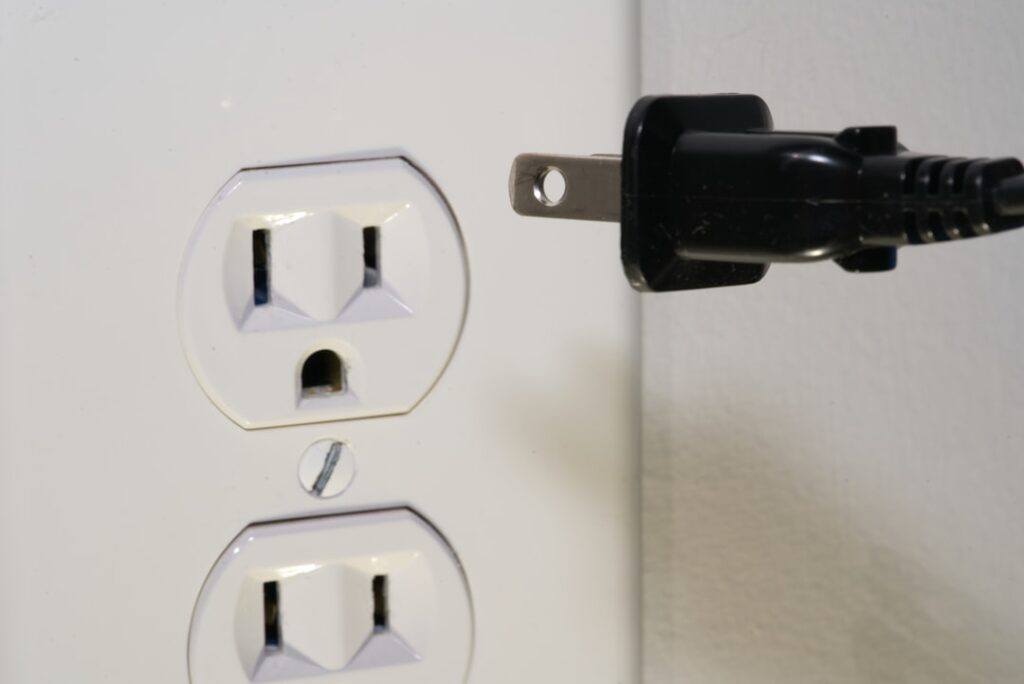
If your home still runs on a fuse electrical panel, you are likely in a house built before 1965 and you have probably noticed home insurance carriers asking pointed questions at renewal time. Fuse panels are not inherently unsafe when properly sized and maintained, but the National Electrical Code (NEC) requirements have moved well past what a 60-amp fuse box can deliver to a modern household with HVAC, EV chargers, and 50 connected appliances. Understanding what you have, what it costs to keep, and what insurers will and will not tolerate determines whether replacement is a luxury or a necessity.
How a Fuse Panel Actually Works
Fuses are sacrificial overcurrent protection devices, typically rated 15 or 20 amps for general circuits and 30 or 60 amps for appliances and main feeds. When current exceeds the rating, a small metal element inside the fuse melts and breaks the circuit. Edison-base plug fuses screw into a socket like a light bulb; cartridge fuses fit a clip-style holder, usually for the main and large appliance circuits. The system is mechanically simple, with no moving parts, which is why properly sized fuses outlast circuit breakers and rarely fail without cause.
The problem is misuse. Homeowners stuck with frequently blowing 15-amp fuses often substitute 20- or 30-amp fuses to stop the nuisance, bypassing the safety margin and creating a real fire risk. The wire in the wall stays sized for 15 amps, but the fuse no longer protects it.
Common Fuse Panel Brands and Their Reputations
Most pre-1965 panels come from Federal Pacific, Zinsco, GE, Westinghouse, or Square D. Federal Pacific Stab-Lok panels and Zinsco panels have documented histories of contact failures that prevent fuses from blowing when they should, allowing overcurrent to continue and causing house fires. Both are now on most insurance carrier exclusion lists. GE and Square D fuse panels are generally safer when in good condition, but parts availability is dropping and any panel with corroded buses or sloppy DIY history needs evaluation.
NEC Service Requirements in 2026
The current NEC mandates a 100-amp minimum service for single-family dwellings under Article 230.79(C). Many fuse panels deliver only 60 amps, which is not legal for new installations and triggers code upgrades during any major renovation that pulls a permit. Modern homes with electric ranges, central HVAC, and EV chargers typically need 200-amp service; large homes pushing past 4,000 square feet now spec 320 or 400 amps. Any service upgrade also brings AFCI breakers (Article 210.12), GFCI protection (Article 210.8), and grounding/bonding to current standards.
Signs Your Fuse Panel Needs Replacement
Several conditions push a fuse panel from “monitor” to “replace soon” status. Warm or scorched fuse sockets indicate loose connections or overheating contacts. Buzzing or crackling sounds suggest arcing inside the box. Visible rust or corrosion on the bus bars means moisture has compromised the connections. Any history of substituted higher-amp fuses, double-tapped circuits, or aluminum branch wiring all push the urgency up. A licensed electrician can perform an infrared scan and load calculation for $200 to $400 to document the condition.
- Warm or discolored fuse sockets
- Frequent blown fuses on multiple circuits
- Buzzing, popping, or burning smell at panel
- Aluminum branch wiring connected to fuses
- 60-amp service feeding modern electric load
What a Replacement Project Costs
A straight panel swap from a 100-amp fuse box to a 100-amp breaker panel runs $1,800 to $2,800 for a licensed electrician using a Square D Homeline or Eaton BR-series load center. Upgrading to 200-amp service requires utility coordination, a new meter base, a new service entrance cable, and often a deeper panel cabinet; total cost lands $3,500 to $5,500. Adding whole-house surge protection (now required under NEC 230.67 since 2020) adds $200 to $400. Permits and inspection fees vary by jurisdiction but typically add $150 to $500.
Square D QO panels with copper bus and lifetime breaker warranties are the gold standard at $400 to $800 for the panel itself. Eaton CH panels with plug-on-neutral breakers run similar money and simplify AFCI installation. Avoid bargain panels from no-name brands; the breaker compatibility issues 10 years out are not worth the $150 savings.
Insurance and Real Estate Implications
Insurance carriers like State Farm, Allstate, and Liberty Mutual now ask about Federal Pacific and Zinsco panels on policy applications. A “yes” answer often disqualifies the home from standard coverage or pushes premiums up 30% to 50%. Some carriers will renew existing policies but refuse new ones. Real estate inspections almost universally flag fuse panels in their reports, and most buyers either negotiate a credit ($3,000 to $5,000) or walk away. If you plan to sell within five years, panel replacement is one of the few electrical upgrades that returns close to dollar-for-dollar at closing.
Permitting and Hiring an Electrician
Panel replacement is not a DIY project regardless of your comfort level. The work involves pulling the meter, which only the utility or a licensed electrician can do legally, and any error creates an arc-fault risk that can kill instantly. Hire a state-licensed master electrician, verify they pull a permit, and confirm they will arrange for the AHJ inspection before re-energizing. Get three written bids on the same scope (panel size, breaker type, surge protection, grounding upgrade) so you can compare apples to apples.
Final Decision Framework
If your fuse panel is a Federal Pacific or Zinsco, replace it within 12 months regardless of current symptoms. If it is another brand showing no warning signs and you have 100-amp or larger service, you can defer replacement until you sell or renovate. If insurance is non-renewing or the panel shows any thermal, electrical, or physical degradation, do it now. Every year you delay raises both the cost (electrician labor inflation runs 6% to 8% annually) and the risk of an arc-fault event that no amount of insurance can undo.