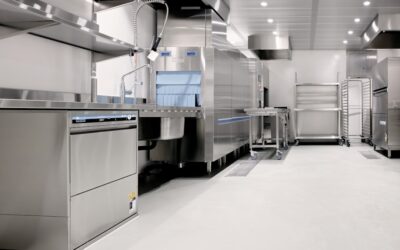
The same plank looks like two different products under matte versus gloss finish. Gloss flooring bounces 70-85% of incident light depending on sheen level, which makes a small foyer feel twice its size and a north-facing living room livable in winter. It also magnifies every footprint, every speck of dust, and every micro-scratch a Labrador’s nails leave on a Tuesday afternoon. After fifteen years installing high-shine vinyl, laminate, and tile in everything from Beverly Hills powder rooms to Brooklyn brownstones, I can tell you gloss is divisive — for good reason.
What Gloss Actually Means
Sheen is measured at a 60-degree angle on a gloss meter, with results in gloss units (GU). Industry breakdowns look like this:
- Matte: 5-15 GU — almost no reflection, hides scratches
- Satin: 16-35 GU — soft sheen, the safe middle ground
- Semi-gloss: 36-65 GU — clear shine, moderate reflectivity
- High gloss: 66-90 GU — mirror-like surface
- Piano/super gloss: 90+ GU — looks wet under direct light
Anything labeled “gloss” without a number is usually 60-80 GU. Manufacturers like Quick-Step, Pergo, and Berry Alloc publish exact GU ratings in their tech sheets if you ask the rep. Saying “I want 75 GU minimum” gets you a real answer instead of marketing fluff.
Where Gloss Genuinely Wins
Three rooms benefit most: small entryways, narrow hallways, and any space starved of natural light. The reflectivity multiplies whatever lumens hit the floor and bounces them back into the room. A 6-foot powder room with one ceiling can feel cramped under matte tile and surprisingly open under polished porcelain.
Gloss flooring also reads as more formal. In dining rooms, traditional living rooms, and showrooms, the polished look pairs naturally with crystal, marble countertops, and chandeliers. For modern minimalist spaces, super-gloss white or charcoal planks deliver a high-end European look at a fraction of polished concrete cost.
The Scratch Problem Nobody Mentions
Here is what showroom samples never tell you: a 0.001-inch scratch is invisible on matte and a glaring white line on high gloss. The wear layer thickness is identical on both; only the perceived damage changes. Within 18 months in a household with kids or pets, expect visible micro-scratches under raking light from windows.
The fix is not buying a more expensive product — it is buying smarter. Look for aluminum oxide top coats rated AC4 or AC5 on laminate, or commercial-grade 22-mil wear layers on luxury vinyl. Tile is harder to scratch but easier to chip at edges. For genuine gloss durability in residential settings, polished porcelain rated PEI 4 or 5 is the longest-lasting option.
Showing Dust and Footprints
Polished surfaces show every dust mote. A fresh Swiffer pass on Tuesday morning means visible streaks by Tuesday evening if anyone walks barefoot or in socks across the floor. Skin oils from feet leave faint outlines that catch side light. This is unavoidable physics, not a flaw.
Owners who succeed with gloss accept a higher cleaning cadence: dry dust mop daily in high-traffic zones, damp microfiber pass twice a week, full clean weekly. Anyone unwilling to commit to that schedule should choose satin or matte and save themselves the visual stress.
Cost Across Materials
Gloss commands a premium of roughly 10-20% over matte equivalents because the finish layer is thicker or chemically different. Typical material costs per square foot in 2026:
- Gloss laminate: $1.80 to $4.50
- Gloss luxury vinyl plank: $2.50 to $6
- Polished porcelain tile: $3 to $9
- Gloss engineered hardwood: $5 to $11
- Lacquered solid hardwood: $6 to $14
Add $3 to $7 per sq ft for professional installation. A 200 sq ft kitchen in mid-grade gloss vinyl runs $1,000 to $2,200 installed, all in.
Subfloor and Install Considerations
Gloss surfaces telegraph subfloor imperfections worse than matte. A 1/16-inch hump under a matte plank disappears visually; under super-gloss it shows up as a wavy reflection of overhead lights. Plan for self-leveling compound on any concrete that exceeds 1/8 inch deviation across a 6-foot span.
For laminate and LVP click systems, lay the planks parallel to the longest wall if possible. Gloss reflections amplify any pattern repeats, so randomize the plank order using at least four different cartons mixed together. End joints should stagger 12 inches minimum to avoid the H-pattern that gloss makes glaring.
Slip Resistance and Bathrooms
Coefficient of friction (COF) drops sharply when gloss surfaces get wet. Polished porcelain rated 0.42 dry can drop to 0.28 wet — well below the 0.42 wet threshold OSHA recommends. For bathrooms, mudrooms, and laundry areas, look for gloss tile with anti-slip grit additives, or honed/satin alternatives. Many manufacturers now offer “polished anti-slip” porcelain that maintains shine while passing DCOF tests above 0.42.
Outside wet areas, slip is rarely an issue in a residence. Gloss laminate and vinyl have textured wear layers that maintain reasonable traction even in socks.
Maintenance That Preserves Shine
Three rules keep gloss looking new past year five:
- Use only pH-neutral cleaners. Vinegar, ammonia, and bleach all etch gloss top coats over time
- Avoid steam mops on laminate and vinyl — heat softens the wear layer and dulls reflectivity
- Felt-pad every furniture leg, replace pads every 6-12 months as they collect grit
For polished porcelain, an annual penetrating sealer extends the life of grout joints, which dull faster than the tile itself and ruin the overall look.
Should You Buy It
Choose gloss flooring for low-traffic showpieces, small dim rooms that need light reflection, or formal spaces where the dressy look earns its keep. Skip it in mudrooms, kid playrooms, and homes with multiple large dogs. Satin is the better default for 80% of houses — gloss is a deliberate aesthetic choice that demands matching maintenance habits.
Prefer to explore on your own?
See how new flooring looks in your actual room in seconds — free, no signup.
Try the free Floor Studio →