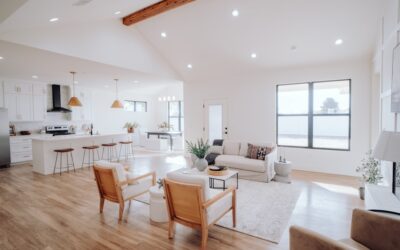
A gold floor vase is one of the easiest ways to add vertical interest, warmth, and a touch of glamour to a room without committing to furniture or paint. Standing on the floor rather than a table, these tall decorative pieces fill the awkward empty corners and bare stretches of wall that so many living rooms and entryways struggle with. Because gold reflects light and reads as both classic and modern depending on its finish, a single well-chosen vase can anchor a whole design scheme.
Why a Gold Floor Vase Works in So Many Rooms
Height is the secret. Most decor lives at eye level or below, on shelves, sofas, and coffee tables, which leaves the lower third of a wall feeling flat. A floor vase that stands 24 to 48 inches tall draws the eye upward and gives a room a sense of layered dimension. Gold adds warmth on top of that, bouncing light around darker corners and lending a polished, intentional feel.
The finish you pick changes the mood entirely. A high-shine polished gold leans glamorous and works in formal or art-deco-inspired spaces. Brushed or matte gold feels more contemporary and understated, blending into modern and transitional rooms. Antique or weathered gold suits traditional, bohemian, and farmhouse styles where you want a softer, lived-in glow.
Common Materials and What They Offer
Gold floor vases come in several materials, and each behaves differently in terms of weight, durability, and price.
- Ceramic: Heavy, stable, and available in countless shapes. Ceramic holds a glaze beautifully and resists tipping, making it a reliable choice for high-traffic areas.
- Metal: Often aluminum, iron, or brass with a gold finish. Metal vases are durable and can be very tall, though lightweight versions may need weighting at the base.
- Glass: Mercury glass and gold-tinted glass create a luminous, reflective effect. Stunning but fragile, so place these away from foot traffic and curious pets.
- Resin or composite: Lightweight and budget-friendly, useful when you want a large piece without the weight or cost of ceramic or metal.
Prices vary widely. A small decorative gold floor vase might cost $25 to $60, mid-range ceramic and metal pieces commonly run $70 to $200, and large designer or hand-finished vases can climb past $300.
Choosing the Right Size and Shape
Scale is where most people go wrong. A vase that is too small disappears against a tall wall, while one that is too large overwhelms a tight corner. As a rough guide, measure the space and aim for a piece that fills the height comfortably without crowding nearby furniture.
- For a corner beside a sofa, look for 28 to 36 inches of height.
- For an entryway or a spot beneath a high ceiling, 40 to 48 inches makes a confident statement.
- In a smaller nook or beside a console, 18 to 24 inches keeps the scale balanced.
Shape matters too. A narrow, elongated vase suits tight spaces and tall stems, while a wide-bellied urn shape fills broader corners and pairs well with full, branching arrangements.
How to Style a Gold Floor Vase
The beauty of a floor vase is its flexibility. You can leave it empty as a sculptural object, especially if the silhouette is striking, or fill it to suit the season and your decor.
- Tall branches: Curly willow, pampas grass, or eucalyptus stems add organic height and texture.
- Faux florals: Realistic stems give a permanent arrangement with no upkeep, ideal for spots that are hard to reach.
- Pampas and dried grasses: Neutral, on-trend, and forgiving in low light where real plants struggle.
- Empty and sculptural: A bold gold shape can stand on its own, letting the finish and form do the talking.
Keep proportions in mind. Branches roughly one and a half times the height of the vase usually look balanced. Too short and the arrangement looks stubby; too tall and it tips easily.
Best Placement Ideas Around the Home
Empty corners are the classic home for a floor vase, particularly in living rooms where a sofa leaves dead space at one end. Entryways benefit enormously, since a gold vase greets guests and signals a styled, intentional space the moment they walk in. Flanking a fireplace, a console table, or a doorway with a vase on each side creates symmetry that feels designed rather than accidental.
Bedrooms, dining rooms, and even wide hallways are fair game. Just be mindful of foot traffic. A tall vase in a narrow walkway is an accident waiting to happen, so reserve those routes for shorter, sturdier pieces or skip them entirely.
Care, Safety, and Buying Tips
Dust gold finishes gently with a soft, dry microfiber cloth. Avoid abrasive cleaners and harsh chemicals, which can strip or dull plated and painted gold surfaces. For glass and mercury-glass vases, a barely damp cloth followed by a dry buff keeps them sparkling without water spots. Always follow any care instructions that come with your specific piece.
Stability is the real safety concern. Lightweight metal and resin vases can tip if bumped, especially in homes with children or pets, so weight the base with sand or florist stones if the vase feels top-heavy. Place fragile glass pieces out of high-traffic zones. When buying, check the base diameter against the height; a wider base means a more stable vase. A well-chosen gold floor vase is a low-effort, high-impact accent that can move from room to room and adapt through years of changing decor.
Mixing Gold With Your Existing Decor
Gold plays well with a surprising range of palettes, which is part of why it endures as a decorating staple. Against deep navy, charcoal, or forest green, gold pops with drama and looks expensive. Paired with soft neutrals like cream, taupe, and warm white, it reads calm and elegant rather than flashy. For a layered, collected look, repeat the gold tone elsewhere in the room, perhaps in a picture frame, a lamp base, or hardware, so the vase feels connected rather than random.
Be intentional about mixing metals. A single gold floor vase in a room full of silver and chrome can look like a mistake unless you echo the gold at least once more nearby. When you balance warm and cool metals deliberately, the contrast feels modern and curated. If you prefer a cohesive scheme, simply keep your accent metals in the same family and let the vase be the largest gold element in the space.
Prefer to explore on your own?
See how new flooring looks in your actual room in seconds — free, no signup.
Try the free Floor Studio →