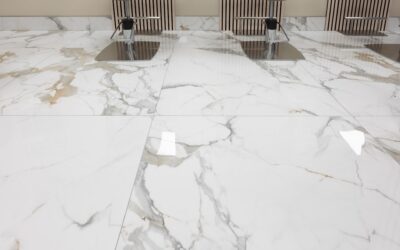
Granite is famous on countertops, but underfoot it has a quieter following — and a fierce one among homeowners who installed it 20 years ago and have never had to replace a single tile. Granite stone flooring stands as one of the most durable residential flooring materials on the market, outlasting hardwood, tile, and luxury vinyl by decades. The catch is the price, the weight, and a few practical considerations that catch first-time buyers off guard.
I have spec’d granite stone floors in foyers, kitchens, and a few statement bathrooms. Done right, the floor looks better at year 25 than the day it was installed.
What Is Granite Stone Flooring?
Granite stone flooring uses 12-by-12-inch, 16-by-16-inch, or larger granite tiles polished, honed, or flamed for floor use. The material is an igneous rock — formed under heat and pressure deep underground — which makes it harder than most ceramic and porcelain tiles. The Mohs hardness scale rates granite at 6 to 7, compared to porcelain at about 5 to 6.
Granite tiles are typically 3/8 to 1/2 inch thick for residential floors. Larger format slabs (24-by-24 inch and up) can be 5/8 to 3/4 inch thick, requiring stronger subfloor structure.
Granite Stone Flooring Costs
Pricing varies by quality grade, color, and origin. Current 2026 ranges:
- Builder-grade granite tile: $4 to $7 per square foot
- Mid-grade granite tile: $7 to $12 per square foot
- Premium granite tile: $12 to $20 per square foot
- Exotic and rare colors: $20 to $50 per square foot
- Installation labor: $7 to $15 per square foot
For a typical 200-square-foot foyer, expect $2,500 to $4,500 total installed cost using mid-grade granite. Bigger slabs cost more than tiles per square foot but can dramatically reduce grout lines.
Pros of Granite Stone Flooring
The benefits stack up over time:
- Exceptional durability — 50 to 100 year lifespan with proper sealing
- Scratch resistance — handles pet claws, dropped tools, dragged furniture
- Heat resistance — works under wood stoves and near fireplaces
- Each piece unique — natural variation impossible to fake
- Resale appeal — adds perceived value in higher-end markets
- Low maintenance — sweep and damp mop, reseal every 2 to 3 years
Granite stone flooring is also one of the few materials that handles hot, humid, and cold climates equally well without warping, cupping, or expansion issues.
Cons and Limitations
Honest drawbacks:
- Cold underfoot in winter without radiant heating
- Hard surface — dropped glassware shatters instantly
- Slippery when wet, especially polished finishes
- Heavy — adds 12 to 20 pounds per square foot to floor loads
- Requires sealing — typically every 2 to 3 years
- Hard on the back and joints during long standing
- Can crack at impact points if subfloor flexes
Granite floors paired with radiant heat solve the cold problem. Granite floors paired with thin softwood subfloors invite cracking. Match the application to the material.
Granite Tile Finishes
The finish of granite stone flooring affects looks, traction, and maintenance:
- Polished: high-gloss, dramatic look, slippery when wet
- Honed: matte, more slip-resistant, shows watermarks more
- Flamed: rough texture from torch finishing, best for outdoor or wet areas
- Brushed/Leathered: textured finish, hides wear well
For high-traffic interior spaces, honed granite is usually the smartest pick. Polished granite belongs in foyers, formal dining rooms, and other low-water spaces where the dramatic look earns its keep.
Popular Granite Colors for Floors
Granite color options are nearly endless. Bestsellers for floors:
- Absolute Black: dramatic, formal, hides dirt
- Uba Tuba: dark green-black with golden flecks
- Tan Brown: warm brown with subtle pink undertones
- Santa Cecilia: warm beige with brown and burgundy flecks
- Bianco Antico: light gray-white with subtle veining
- Kashmir White: creamy white with gray and burgundy specks
Sample physical pieces in your own light before committing — granite color reads dramatically different in north-facing morning light vs west-facing afternoon sun.
Installation Considerations
Granite stone flooring installation is not a typical DIY job. The material is heavy, expensive to replace if cracked during cutting, and requires specific tools — wet saws, proper trowels, and modified thinset rated for natural stone.
Subfloor requirements:
- Solid plywood subfloor minimum 1-1/4 inch thick total
- Concrete slab without major cracks or movement
- Cement backer board (1/4 inch minimum) over plywood
- Anti-fracture membrane on questionable subfloors
Hire a contractor with specific natural stone experience. Standard ceramic tile installers often skip the steps that prevent cracking 5 years later.
Sealing and Maintenance
Granite is porous despite its hardness. Without sealing, oils and water will stain. Apply a penetrating sealer at installation and reapply every 2 to 3 years depending on traffic. Quality sealers like StoneTech BulletProof or Aqua Mix Sealer’s Choice run $40 to $70 per quart and treat 200 to 400 square feet per quart.
Daily maintenance:
- Sweep or vacuum daily in high-traffic areas
- Damp mop with stone-safe cleaner (pH neutral) weekly
- Avoid vinegar, lemon, and ammonia — etches granite over time
- Wipe up spills immediately, especially oil and red wine
- Use felt pads under furniture
Is Granite Stone Flooring Right for You
Granite stone flooring earns its place in homes where durability and timeless looks matter more than initial cost or warmth underfoot. Foyers, formal living rooms, kitchens with radiant heat, and high-end bathrooms all suit granite well. Bedrooms, family rooms with kids, and rooms where comfort matters most do not.
Spec quality material, hire experienced installers, and seal it properly. The granite stone flooring you install today will likely outlast the house itself — and look better than the day it was poured 30 years from now.
Prefer to explore on your own?
See how new flooring looks in your actual room in seconds — free, no signup.
Try the free Floor Studio →