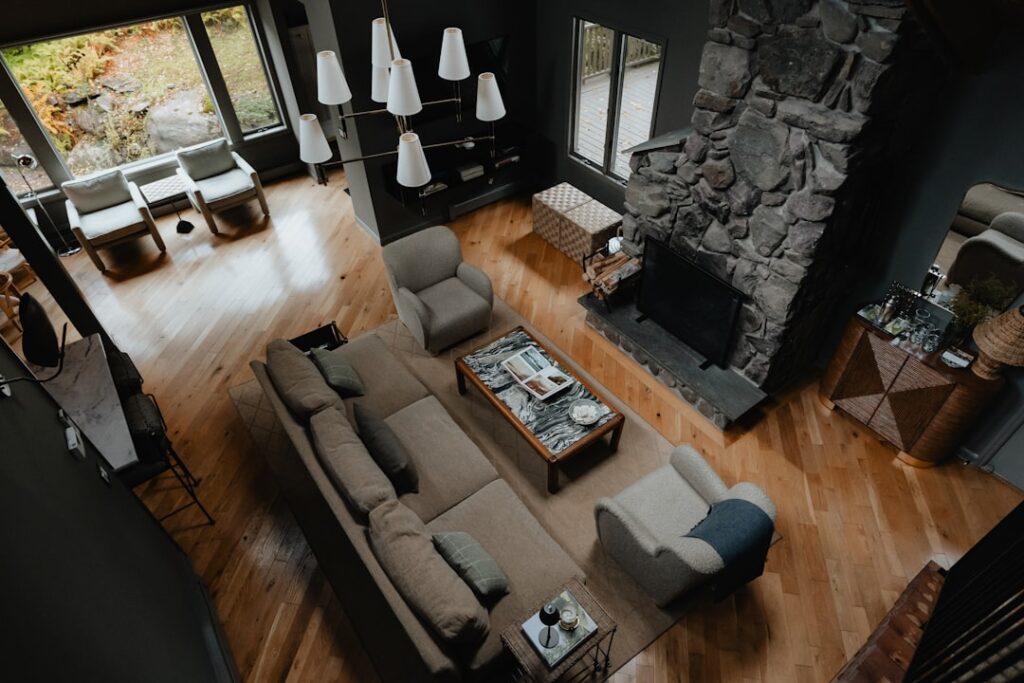
Gray hardwood floors have transformed from a bold design risk into a mainstream flooring choice over the past decade. The cool, contemporary tone works beautifully in modern, Scandinavian, coastal, and transitional interiors — creating a neutral foundation that feels fresh without the warmth of traditional brown stains. But achieving a beautiful gray floor requires the right combination of wood species, stain product, and application technique. Not all woods take gray stain well, and the wrong product on the wrong species can produce green, purple, or blotchy results.
- Best Gray Stain Products
- Best Wood Species for Gray Stain
- Understanding the Tannin Reaction
- Gray vs Greige: Which Should You Choose?
- Popular Gray Stain Combinations
- Is Gray Still Trending in 2026?
- Styling Tips for Gray Hardwood Floors
- Maintenance and Care
- Pros and Cons of Gray Hardwood Floors
- Cost of Gray Hardwood Floors
- Frequently Asked Questions
This guide covers the best gray stains available, which wood species produce the best results, gray versus greige tones, styling advice, maintenance requirements, and whether gray hardwood floors are still a smart choice in 2026.
Best Gray Stain Products
Not all gray stains are created equal. The best products produce a true, consistent gray tone without unwanted color shifts. Here are the top gray stain options for hardwood floors.
Bona NordicSeal: This is not technically a stain — it is a water-based sealer that minimizes the natural yellowing and ambering of wood, preserving a raw, bleached appearance. When combined with a water-based matte polyurethane, Bona NordicSeal creates a pale, Scandinavian gray-blonde look on white oak that is one of the most requested finishes in 2026. The result is subtle, natural, and elegant.
DuraSeal Classic Gray: A traditional oil-based stain that produces a medium gray with slight warm undertones. DuraSeal Classic Gray is the industry workhorse for gray floors — predictable, widely available, and well-understood by professional floor finishers. It works best on white oak, where it produces a clean gray without the green or purple undertones that can occur on other species.
Rubio Monocoat Gris Belge: A hardwax oil finish (not a conventional stain) that produces a sophisticated gray-beige (greige) tone. Rubio Monocoat is a one-coat system that penetrates the wood and hardens within the grain, rather than building up on the surface like polyurethane. The result is a natural, matte finish that preserves the texture of the wood. Rubio is popular in high-end residential projects and is the preferred choice for designers seeking a European aesthetic.
DuraSeal Silvered Gray: A lighter, cooler gray than Classic Gray. Silvered Gray produces a driftwood-like appearance on white oak — pale and silvery without being washed out. It is an excellent choice for coastal and contemporary designs where a lighter floor is desired.
| Product | Type | Tone | Best On | Cost | Application |
|---|---|---|---|---|---|
| Bona NordicSeal | Water-based sealer | Pale gray-blonde | White oak | $45 – $60/gallon | Roller/applicator |
| DuraSeal Classic Gray | Oil-based stain | Medium gray (warm) | White oak, ash | $30 – $45/gallon | Rag/applicator, wipe excess |
| Rubio Monocoat Gris Belge | Hardwax oil | Gray-beige (greige) | White oak, European oak | $60 – $80/350ml | Pad applicator, buff |
| DuraSeal Silvered Gray | Oil-based stain | Light, cool gray | White oak | $30 – $45/gallon | Rag/applicator, wipe excess |
| Bona DriFast Driftwood | Oil-modified stain | Warm medium gray | White oak, red oak | $35 – $50/gallon | Applicator, wipe excess |
Best Wood Species for Gray Stain
The wood species is arguably more important than the stain product when it comes to achieving a beautiful gray floor. Some species take gray beautifully; others fight it.
White oak — the best choice. White oak is universally considered the ideal species for gray stain. Its high tannin content reacts with gray stains (particularly water-based and reactive systems) to produce a rich, even gray tone. The grain pattern is prominent enough to show through the gray without being overwhelming. White oak also has a neutral base tone (unlike red oak’s pink undertones), which means gray stains read as true gray rather than mauve or purple.
Red oak — acceptable but less ideal. Red oak has a naturally pink/reddish undertone that can push gray stains toward purple or mauve, especially with lighter gray products. If you are working with existing red oak floors, a darker gray stain (like a blend of Classic Gray and Ebony) can overpower the pink undertones. However, the result will never be as clean as gray on white oak.
Ash — excellent alternative. Ash has a light, neutral base tone and a bold, open grain pattern that accepts gray stain evenly. The pronounced grain creates a dramatic visual effect when stained gray. Ash is less common than oak but produces stunning gray results.
Maple — difficult. Maple’s tight, closed grain and blotchy absorption tendencies make it challenging to stain gray evenly. Without a pre-stain conditioner, maple absorbs gray stain unevenly, creating a mottled appearance. Even with conditioner, the results are less consistent than oak or ash.
Hickory — avoid for gray. Hickory’s dramatic color variation (from pale cream to dark brown) creates a chaotic appearance with gray stain. The stain absorbs at different rates across the natural color variations, producing an uneven, patchy result.
Understanding the Tannin Reaction
One of the reasons white oak is the best species for gray floors is the tannin reaction. White oak contains high levels of natural tannins (tannic acid), which react chemically with certain stain products to produce richer, more complex gray tones.
This reaction is most pronounced with water-based stains and reactive finishing systems like Rubio Monocoat. The tannins in white oak interact with the metallic salts in the stain to create depth and variation that oil-based stains alone cannot achieve. This is why professional floor finishers often recommend water-based gray stains on white oak — the tannin reaction creates a more natural, less “painted on” appearance.
Red oak has lower tannin levels and different tannin chemistry, which is part of why gray stains perform less predictably on it. The pink undertone of red oak is not a tannin issue — it is a structural color in the wood fibers that stain sits on top of rather than transforming.
Gray vs Greige: Which Should You Choose?
In the world of gray hardwood floors, there are two distinct directions: pure gray and greige (gray + beige). Understanding the difference helps you choose the right tone for your space.
| Factor | Pure Gray | Greige |
|---|---|---|
| Undertone | Cool (blue/silver) | Warm (beige/taupe) |
| Feeling | Modern, crisp, cool | Warm, inviting, organic |
| Best products | DuraSeal Classic Gray, Silvered Gray | Rubio Monocoat Gris Belge, Bona NordicSeal |
| Pairs with | White, black, blue, cool metallics | Cream, warm white, wood tones, brass |
| Design style | Contemporary, Scandinavian | Transitional, organic modern, farmhouse |
| Risk of feeling cold | Higher | Lower |
| 2026 trend direction | Stable | Growing (warmth is trending) |
Pure gray (cool gray) creates a distinctly modern look. It pairs beautifully with crisp white walls, black accents, and blue or green tones. The risk is that pure gray can feel cold or sterile in spaces with limited natural light. In north-facing rooms or basements, pure gray floors can feel unwelcoming.
Greige (warm gray) has become the more popular choice in 2026 because it retains the contemporary appeal of gray while adding warmth. Greige floors work with a wider range of interior styles and wall colors, making them more versatile for homeowners who may change their decor over time. Rubio Monocoat Gris Belge is the benchmark greige floor finish.
Popular Gray Stain Combinations
Professional floor finishers frequently blend stain products to create custom gray tones. These are the most popular combinations.
50% Classic Gray + 50% Weathered Oak (DuraSeal): Produces a light, warm gray with natural character. This blend is popular for open-concept homes where a pure gray might feel too cold in living areas.
75% Classic Gray + 25% Ebony (DuraSeal): Creates a darker, richer gray with depth. The Ebony component adds darkness without introducing brown warmth, keeping the tone firmly in the gray family. This is one of the most popular blends for gray hardwood floors.
Bona NordicSeal + Bona Traffic HD (matte): Not a stain blend but a finishing system. NordicSeal minimizes ambering, and the matte Traffic HD topcoat preserves the raw, pale appearance. This combination produces the lightest gray look possible — almost a raw wood appearance with a subtle gray-blonde cast.
DuraSeal Silvered Gray + Bona water-based poly: Silvered Gray’s cool, light tone is preserved by water-based polyurethane, which does not amber over time. Oil-based poly would add yellow warmth that shifts the gray toward green — always use water-based topcoats over gray stains.
Is Gray Still Trending in 2026?
Yes, but the gray trend has matured and shifted. Here is an honest assessment of where gray hardwood floors stand in 2026.
Gray is no longer the leading trend — but it is not going away. In the mid-2010s, gray hardwood floors exploded in popularity, becoming the most requested stain color. By 2026, the market has diversified. Natural finishes (clear-coated white oak with no stain) have taken the top spot, followed by warm browns and greige tones. Pure cool gray has moved from dominant trend to established classic — similar to how dark walnut stains remain popular decades after their peak trend.
Greige is growing while cool gray is stable. The broader design shift toward warmer interiors has boosted greige at the expense of cool gray. Homeowners who want a gray-toned floor increasingly choose warm gray or greige rather than pure cool gray.
Gray still makes sense for specific styles. If your home has a modern, Scandinavian, coastal, or industrial design direction, gray hardwood floors are a strong, timeless choice. They are not a passing fad — they have established themselves as a permanent member of the hardwood color palette alongside natural, warm brown, and dark tones.
Resale value consideration: Gray floors are broadly appealing to buyers in the 25-to-45 age demographic, which is the most active home-buying group. They are less appealing to some buyers who prefer traditional warm wood tones. For resale, a light natural finish is the safest choice; gray is a close second in contemporary markets.
Styling Tips for Gray Hardwood Floors
Wall colors that work with gray floors: Crisp white (Benjamin Moore Chantilly Lace, Simply White), warm white (White Dove, Swiss Coffee), light gray (Repose Gray, Agreeable Gray), soft blue-gray, and warm greige tones all pair beautifully with gray floors. Avoid yellow or orange wall colors, which clash with the cool undertone of gray wood.
Furniture and decor: Gray floors serve as a neutral canvas. They pair well with white upholstery, natural wood furniture (lighter tones complement, dark tones contrast), black metal accents, blue textiles, and green plants. The key is layering textures — a gray floor can feel flat without textural variety from rugs, throws, and varied materials.
Kitchen cabinets: White cabinets with gray floors is the most popular combination. Navy blue, dark green, and charcoal cabinets also work well with gray floors for a dramatic, high-contrast kitchen. Avoid matching gray cabinets with gray floors — too much gray creates a monotone, institutional feeling.
Area rugs: Gray floors benefit from area rugs that add warmth and color. Wool, jute, and natural fiber rugs complement the organic feel of gray wood. Vintage-style rugs with faded colors add character. Avoid cool-toned gray rugs on gray floors — the result is flat and cold.
Maintenance and Care
Gray hardwood floors require the same maintenance as any stained hardwood floor, with one important additional consideration: topcoat ambering.
Use water-based polyurethane — always. Oil-based polyurethane yellows over time (a process called ambering), which shifts gray stain toward green or olive. Water-based polyurethane (like Bona Traffic HD, Loba Supra, or Basic Coatings StreetShoe) remains crystal clear for the life of the finish. This is not optional for gray floors — it is essential.
Daily maintenance: Sweep or vacuum with a hardwood-safe vacuum (no beater bar) to remove grit that can scratch the finish. Microfiber dust mops are ideal for daily pickup.
Weekly cleaning: Damp-mop with a hardwood floor cleaner (Bona Hardwood Floor Cleaner or equivalent). Wring the mop well — standing water damages all hardwood floors, including gray-stained ones. Avoid vinegar, ammonia, and steam mops.
Scratch visibility: Scratches on gray-stained hardwood floors are moderately visible — more visible than on natural finishes but less visible than on very dark stains. The lighter the gray tone, the less noticeable scratches tend to be. Matte finishes hide scratches better than semi-gloss or gloss.
Refinishing: Gray-stained hardwood floors can be refinished just like any other hardwood floor. The existing stain and finish are sanded off completely, and fresh stain and polyurethane are applied. Plan to refinish every 7 to 15 years depending on traffic levels.
Pros and Cons of Gray Hardwood Floors
Pros:
- Contemporary aesthetic — creates a modern, fresh look that feels current without being trendy
- Neutral foundation — pairs with a wide range of wall colors, furniture styles, and decor
- Hides dust and pet hair — gray tones conceal light-colored dust and pet hair better than dark floors
- Brightens spaces — lighter gray tones reflect light, making rooms feel more open
- Established trend — gray has moved from trendy to classic, reducing the risk of looking dated
Cons:
- Requires water-based topcoat — oil-based polyurethane will yellow the gray over time, limiting your finish options
- Species-dependent results — gray stain looks best on white oak; results on red oak, maple, and pine can be disappointing
- Can feel cold — pure gray floors in rooms with limited natural light can feel sterile or unwelcoming
- Application skill matters — gray stain shows lap marks and uneven application more than darker stains
- Not universally appealing — some buyers prefer traditional warm wood tones, which may affect resale in certain markets
Cost of Gray Hardwood Floors
| Scenario | Cost (per sq ft) | Details |
|---|---|---|
| New white oak + gray stain + finish | $10 – $18 | Material + installation + sanding + staining + 3 coats poly |
| Refinish existing white oak to gray | $4 – $8 | Sanding + gray stain + 3 coats water-based poly |
| Refinish existing red oak to gray | $4 – $8 | Same process, less predictable color result |
| Pre-finished gray engineered hardwood | $6 – $14 | Material + installation (no on-site finishing) |
| Rubio Monocoat system (professional) | $5 – $10 | Sanding + Rubio application (no poly needed) |
For a typical 1,000-square-foot project, refinishing existing white oak floors with a gray stain costs $4,000 to $8,000. Installing new white oak with gray stain costs $10,000 to $18,000.
Frequently Asked Questions
What is the best gray stain for hardwood floors?
DuraSeal Classic Gray is the most popular and reliable gray stain for hardwood floors. It produces a consistent medium gray on white oak and is widely available. For a lighter, cooler gray, DuraSeal Silvered Gray is excellent. For a gray-beige (greige) tone with a natural matte finish, Rubio Monocoat Gris Belge is the premium choice. Always test on your specific wood species before committing.
Can you stain red oak gray?
You can, but the results are less clean than gray on white oak. Red oak has natural pink/red undertones that push gray stains toward purple or mauve. Using a darker gray blend (Classic Gray + Ebony, for example) helps overpower the pink. For the cleanest gray results, white oak is strongly preferred.
Do gray hardwood floors go with everything?
Gray floors are highly versatile but not universal. They pair well with white, blue, green, black, and neutral decor. They clash with warm yellow, orange, and strongly warm-toned furnishings. For maximum versatility, choose a greige (warm gray) tone rather than a pure cool gray.
Are gray floors going out of style?
No. Gray hardwood floors have transitioned from a dominant trend to an established classic. They are no longer the number-one most requested color (natural finishes hold that position in 2026), but gray remains a popular, broadly appealing choice. Greige (warm gray) tones are actually growing in popularity as the design world shifts toward warmer palettes.
Can you use oil-based polyurethane on gray stained floors?
You should not. Oil-based polyurethane yellows over time, which shifts gray stain toward green or olive. Always use water-based polyurethane (like Bona Traffic HD or Loba Supra) over gray stains to maintain the true gray color. This is one of the most important rules for gray hardwood floors.
How long do gray hardwood floors last?
Gray-stained hardwood floors last as long as any hardwood floor — the wood itself lasts 50 to 100+ years. The stain and finish need to be refreshed every 7 to 15 years through refinishing (sanding, re-staining, and re-coating). Each refinishing returns the floor to like-new condition.
Prefer to explore on your own?
See how new flooring looks in your actual room in seconds — free, no signup.
Try the free Floor Studio →