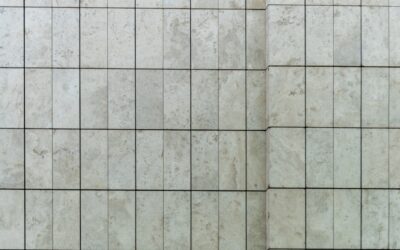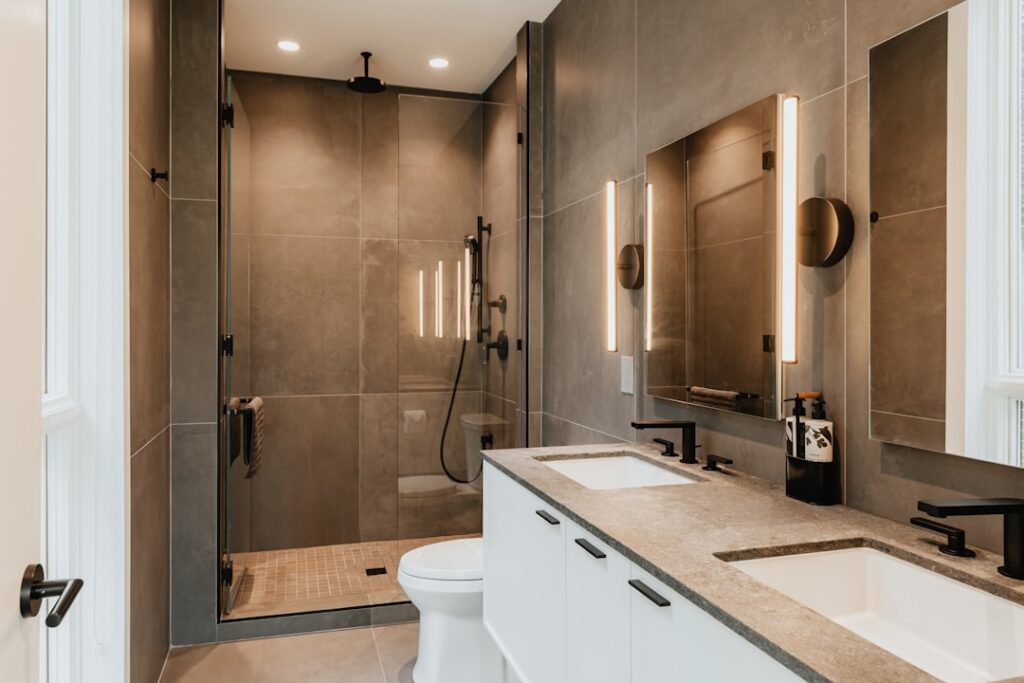
A gray tile bathroom has become one of the most popular looks in home design, and for good reason: gray is endlessly versatile, hides water spots and grime better than stark white, and works with nearly any fixture, vanity, or accent color you can throw at it. From soft dove tones to deep charcoal, gray tile creates a calm, modern, and timeless space.
This guide walks through choosing the right shade and finish, picking tile formats and layouts, pairing grout and accent colors, and balancing warm and cool tones so your bathroom feels intentional rather than cold. Whether you are doing a full remodel or refreshing a powder room, these design principles will steer you right.
Why Gray Works So Well in Bathrooms
Gray sits in a sweet spot between dramatic dark tones and bright white. It reads as clean and contemporary without the clinical feel of all-white, and it is forgiving in a room that sees constant water, soap, and toothpaste. Light grays hide water spotting better than white, and mid-to-dark grays mask everyday dust and minor staining.
It is also a true neutral, which means it gives you freedom. You can pair gray tile with chrome, brass, or matte black fixtures, warm wood vanities or crisp white cabinetry, and almost any towel or decor color. That flexibility is why gray remains a safe, stylish, resale-friendly choice.
Choosing the Right Shade of Gray
Not all grays are equal, and the undertone makes or breaks the room. Grays lean either cool (blue or green undertones) or warm (beige or brown undertones, sometimes called greige).
- Light gray: Opens up small bathrooms, keeps the space airy, and pairs with almost anything.
- Mid gray: A balanced, versatile choice that adds depth without darkening the room.
- Charcoal and dark gray: Bold and dramatic, stunning on a feature wall or shower, but best balanced with lighter elements and good lighting.
- Greige: Warm gray-beige that feels cozy and pairs beautifully with wood tones.
Always test samples in your actual bathroom lighting. Gray shifts dramatically between natural daylight and warm artificial light, and a tile that looks perfect in the showroom can read blue or purple at home.
Tile Formats and Layouts
The format and pattern of your gray tile shape the whole feel of the room:
- Subway tile: Classic gray subway in a brick or stacked layout is timeless and budget-friendly.
- Large-format tile: Big tiles mean fewer grout lines, making small bathrooms feel larger and cleaner.
- Hexagon and penny mosaics: Great for floors, adding texture and slip resistance.
- Herringbone and chevron: Dynamic patterns that add movement to walls or floors.
- Wood-look gray plank tile: Combines the warmth of wood grain with the durability of porcelain.
A common winning combination is large-format gray tile on the walls with a smaller mosaic on the shower floor, which adds grip and visual interest while keeping the look cohesive.
Matte vs. Glossy Finish
Finish affects both looks and function. Glossy tile reflects light, which brightens a room and makes small spaces feel bigger, but it shows water spots and can be slippery underfoot. Matte tile has a softer, more contemporary look, hides spotting better, and offers more slip resistance, making it the smarter pick for floors.
A popular approach uses glossy or polished tile on walls to bounce light around, paired with matte tile on the floor for safety and a refined contrast. For shower floors specifically, choose a textured or mosaic tile with good grip, since wet glossy tile can be hazardous.
Pairing Grout and Accent Colors
Grout is a design decision, not an afterthought. With gray tile you have several directions:
- Matching gray grout creates a seamless, monochromatic look that downplays grout lines.
- Lighter grout on darker tile highlights the pattern and adds definition, great for subway and herringbone.
- White grout gives crisp contrast but shows dirt faster and needs more upkeep.
For accents, gray’s neutrality lets you bring in personality through fixtures and decor. Matte black hardware reads modern, brass or gold adds warmth and a touch of luxury, and natural wood vanities keep the room from feeling cold. A few plants, white towels, or a pop of color in accessories complete the look without committing you to a permanent palette.
Avoiding a Cold or Flat Look
The biggest risk with a gray tile bathroom is that it ends up feeling cold, flat, or dreary. The fix is to layer in warmth and contrast. Combine cool gray tile with warm elements like wood vanities, brass fixtures, or soft textiles. Vary the texture by mixing finishes and tile shapes so the eye has something to engage with.
Lighting is critical. Good layered lighting, ample task light at the mirror plus warm ambient light, keeps gray from looking gloomy. If your bathroom has little natural light, lean toward lighter grays and warmer undertones, and avoid going dark on every surface at once.
Making a Small Bathroom Feel Larger
Gray tile is a powerful tool in a small bathroom, but only if you use it strategically. To make a compact space feel larger, lean toward lighter grays, which reflect more light and keep the room airy. Large-format tiles help too, since fewer grout lines create a cleaner, more expansive surface than lots of small tiles broken up by busy grout.
Carrying the same tile from the floor up the walls, or running it continuously into the shower without a curb, blurs the boundaries and tricks the eye into reading the space as bigger. Match your grout closely to the tile to minimize the visual grid. Glossy or polished tile on at least some surfaces bounces light around, and a large mirror amplifies whatever light you have. If you want a darker accent, confine it to one wall or the shower niche so it adds depth without shrinking the room. These moves let you enjoy gray’s sophistication even in the smallest powder room.
Bringing It All Together
A gray tile bathroom delivers a clean, modern, and lasting look that flatters almost any style and forgives the daily mess of a real bathroom. Start by choosing a shade and undertone that suit your light, test samples on site, and decide on formats and finishes that balance beauty with practical slip resistance on the floor.
Pair your grout intentionally, layer in warm materials and good lighting to keep the space inviting, and use fixtures and accessories to add personality you can change over time. Get those fundamentals right and your gray bathroom will feel both of-the-moment and timeless, an easy space to live with and a strong selling point down the road.
Prefer to explore on your own?
See how new flooring looks in your actual room in seconds — free, no signup.
Try the free Floor Studio →