GreenPan ceramic cookware is built around a ceramic-based nonstick coating marketed as a healthier, traditional-nonstick alternative that is free of certain chemicals found in older coatings. The slick surface releases food easily and makes cleanup simple, but ceramic nonstick behaves differently from the slippery synthetic coatings many cooks grew up with. Use it the right way and it stays nonstick for a good long while. Misuse it, and the coating loses its release faster than expected. This guide covers how to get the most life out of ceramic pans.
What Ceramic Nonstick Is
Ceramic nonstick coatings are made from a sol-gel ceramic material applied over the pan body, often aluminum with a stainless or magnetic base for induction. The finish is naturally smooth and releases food well when new. Unlike some traditional nonstick coatings, ceramic is generally marketed as free of PFAS-type chemicals, which is a big part of its appeal to health-conscious cooks.
The trade-off is that ceramic coatings are typically less slick over the long haul than the longest-lasting synthetic nonstick, so technique matters more.
Using the Right Heat
Heat management is the single most important habit. Ceramic nonstick performs best at low to medium heat, and high heat is its enemy. Excessive temperatures break down the coating over time and can cause food to stick and scorch. Most foods cook beautifully on medium, and the pan heats quickly, so you rarely need to crank the burner.
Never preheat an empty ceramic pan on high. Add a little oil or food before heating, and let the pan warm gradually. This single rule does more to extend coating life than anything else.
Choosing the Right Utensils and Oils
Protect the surface from scratches and buildup with the right tools and fats.
- Utensils: use wood, silicone, or nylon, and avoid metal that can scratch the coating
- Oils: use a small amount of cooking oil or butter, and avoid aerosol cooking sprays, which leave a sticky residue that bakes onto the surface and degrades release
- Butter and oils with high smoke points suit the low-to-medium heat ceramic prefers
That aerosol-spray warning catches many people off guard. The propellants and lecithin in sprays build up into a film that ruins nonstick performance, so reach for a brushed-on oil or a refillable mister instead.
Cleaning Ceramic Cookware
Gentle cleaning keeps the coating intact. Let the pan cool before washing, since shocking a hot pan with cold water can warp it and stress the coating. Wash with warm water, mild dish soap, and a soft sponge or cloth. Skip steel wool and harsh scouring pads.
For stuck-on food, soak the pan in warm soapy water, then wipe it clean. A paste of baking soda and water lifts stubborn spots without harsh abrasion. While some ceramic pans are labeled dishwasher safe, hand washing preserves the coating longer and is the safer routine.
Restoring Lost Nonstick Performance
If food starts sticking, the surface often just needs cleaning and a light re-seasoning rather than replacement. Wash and dry the pan thoroughly, then rub a thin layer of cooking oil over the cooking surface and warm it gently for a minute or two before wiping out the excess. This conditions the surface and can revive some of the release.
Often, declining performance traces back to invisible oil residue from sprays or high-heat cooking. A deep clean to strip that film, followed by light re-seasoning, frequently brings the slickness back.
To strip a stubborn film, simmer a little water with a splash of dish soap in the pan for a few minutes, then let it cool and wipe it out. This loosens baked-on residue without abrasion. Once the surface is genuinely clean and dry, the thin oil re-season has a clean base to bond to, and the difference in release is often noticeable on the very next use.
Storing Pans Without Damage
Stacking pans directly on top of each other lets rims and bases scratch the coating below. Place a pan protector, a cloth, paper towel, or felt pad, between stacked pans. Hang larger pieces if you have the space.
Storing pans dry also matters, since trapped moisture can affect the pan body over time. Dry thoroughly before putting cookware away.
What Cooks Well and What to Avoid
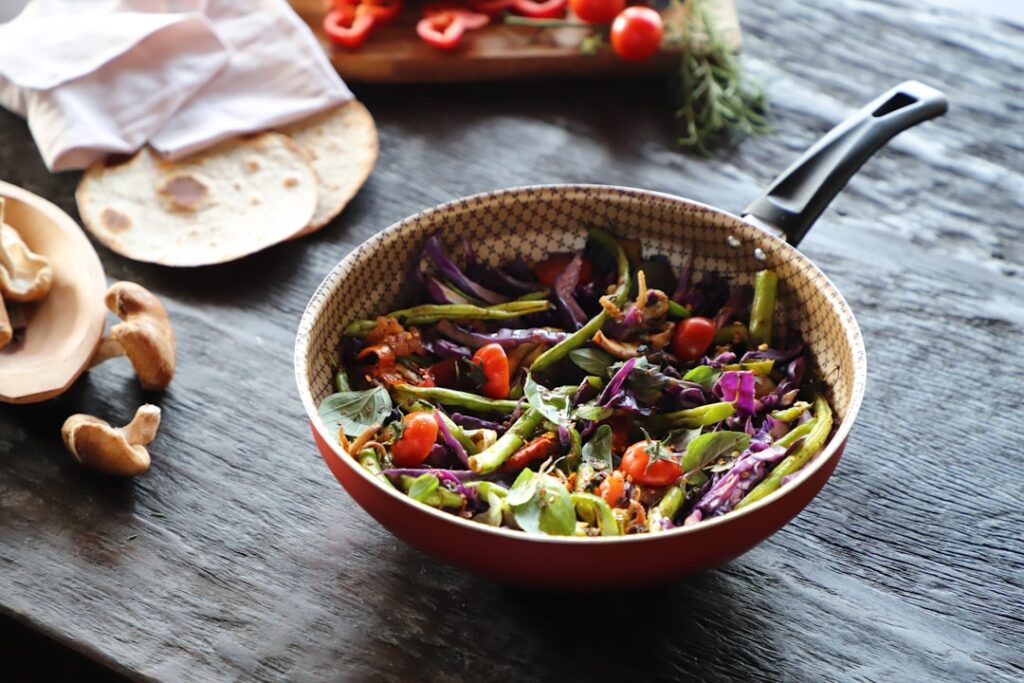
Ceramic nonstick excels at delicate foods that benefit from easy release and low heat. Eggs, omelets, pancakes, fish fillets, and crepes slide right off and clean up in seconds. Sauteing vegetables and warming sauces at medium heat also works beautifully.
Where ceramic is less ideal is anything that wants a hard, high-heat sear, like a heavily browned steak or a screaming-hot stir fry, since those temperatures shorten the coating’s life. For high-heat searing, reach for stainless steel or cast iron, and save your ceramic pan for the gentle, sticky-prone foods where its release truly shines.
Induction and Oven Compatibility
Not every ceramic pan works on every stove or in the oven, so check the specifics of your cookware. Pans with a magnetic stainless base are induction compatible, while pure aluminum bodies are not unless they have an added magnetic layer. If you cook on an induction cooktop, confirm compatibility before buying.
Oven safety varies too. Many ceramic pans tolerate oven use up to a stated temperature, but handles, especially silicone-wrapped or plastic ones, may have lower limits than the pan body. Always check the manufacturer’s rated oven temperature, and remember that the same low-heat principle applies, since broiler-level heat can degrade the coating over time.
Realistic Lifespan and Expectations
With careful low-heat use, the right utensils, no aerosol sprays, and gentle cleaning, a ceramic nonstick pan can serve well for a few years of regular cooking. Eventually all nonstick coatings wear, and when food consistently sticks despite cleaning and re-seasoning, it is time to replace the pan. Treating it as a consumable rather than a lifetime piece sets the right expectation.
The Bottom Line
GreenPan ceramic cookware rewards a gentle, low-heat approach. Cook on low to medium, never preheat empty, skip aerosol sprays in favor of brushed-on oil, use only wood, silicone, or nylon utensils, and hand wash with a soft sponge. Follow those habits and the slick ceramic release will hold up far longer than it would under high heat and harsh scrubbing.
Prefer to explore on your own?
See how new flooring looks in your actual room in seconds — free, no signup.
Try the free Floor Studio →