The fastest way to add depth and drama to a flat, builder-beige room is a single bold wall, and grey is the most versatile color to do it with. A well-placed grey feature wall creates a focal point without overwhelming the space, pairs effortlessly with nearly any decor, and works in everything from a moody bedroom to a bright living room. The trick is choosing the right wall, the right shade of grey, and the right finish, whether that is paint, paneling, or wallpaper, so the accent looks deliberate and designed.
- Why Grey Works for Feature Walls
- Choosing Which Wall to Feature
- Warm Grey vs. Cool Grey
- Option 1: Paint
- Option 2: Paneling and Texture
- Option 3: Wallpaper
- Lighting the Feature Wall
- Styling and Decor Pairings
- Avoiding Common Mistakes
- Matching Grey to Your Room's Function
- Renter-Friendly Feature Wall Options
Why Grey Works for Feature Walls
Grey occupies the perfect middle ground. It is bold enough to stand out as an accent yet neutral enough to coordinate with existing furniture and trim. A darker grey adds cozy, dramatic depth, while a lighter grey offers soft contrast that brightens a room. Because grey comes in warm and cool variations, you can tune the mood precisely, and it serves as a flattering backdrop for art, shelving, a headboard, or a media unit.
Choosing Which Wall to Feature
The wall you pick matters as much as the color. Choose a wall that already draws attention or anchors the room’s function.
- The wall behind the bed frames the headboard and grounds a bedroom.
- The wall behind the sofa or TV creates a natural focal point in a living room.
- A fireplace wall emphasizes an existing architectural feature.
- The first wall you see entering the room makes an immediate impression.
Avoid choosing a wall broken up by too many windows or doors, which fragments the effect. A solid, mostly uninterrupted wall gives the accent room to make its statement.
Warm Grey vs. Cool Grey
As with any grey, the undertone sets the tone. Warm greys carry hints of beige or taupe and feel cozy and inviting, working well in north-facing or low-light rooms. Cool greys lean blue or green and feel crisp and modern, looking best in bright, sunny spaces. Always test a large paint swatch on the actual wall and observe it in morning, afternoon, and evening light, because grey shifts dramatically with the light source and surrounding colors.
Option 1: Paint
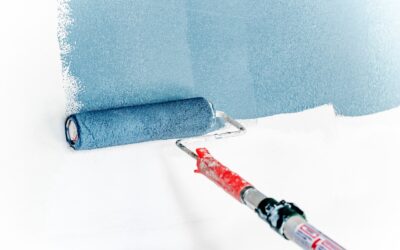
Paint is the simplest and most affordable way to create a grey feature wall, and it is easy to change later.
- Matte or eggshell finishes hide wall imperfections and give a soft, sophisticated look.
- Satin adds a subtle sheen and is easier to wipe clean.
- A darker grey than your other walls creates depth; aim for a few shades deeper for clear contrast.
- Color-drenching, extending grey onto adjacent trim or the ceiling, is a modern twist for a bolder, enveloping effect.
Option 2: Paneling and Texture
Adding texture turns a grey wall from a color accent into an architectural one. Board-and-batten or shaker-style paneling painted grey brings classic structure and shadow lines. Slatted wood panels in a grey stain add warmth and a contemporary, acoustic-friendly look. Picture-frame molding creates an elegant, traditional grid. Even a simple beadboard adds subtle texture. Painted paneling reads as custom and elevates the whole room beyond what flat paint can do.
Option 3: Wallpaper
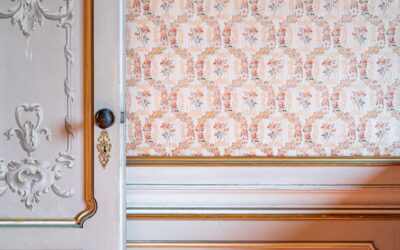
Wallpaper delivers pattern and personality that paint cannot. Grey wallpaper ranges from subtle textures like grasscloth and faux linen to bold geometrics, florals, and damasks. A patterned grey wall behind a bed or in a dining room makes a refined statement, and peel-and-stick options make it renter-friendly and reversible. For a feature wall, a single accent wall of wallpaper against plain painted walls keeps the pattern from overwhelming the room.
Lighting the Feature Wall
Lighting can make or break a grey accent wall, especially a darker one. Without good light, deep grey can read as a flat, lifeless block. Layer your lighting to bring it to life: wall sconces or picture lights highlight texture and art, while LED strips behind a headboard or floating shelf create a soft glow. Warm bulbs around 2700K to 3000K keep grey from looking cold and bluish. If the wall has paneling or texture, angled or grazing light emphasizes the shadows and dimension.
Styling and Decor Pairings
A grey feature wall is a backdrop, so let it showcase your decor. Metallic accents in brass or gold warm up cool grey and add a touch of glamour. Black accents create crisp, graphic contrast. Wood tones and natural textures soften the look and add warmth. Greenery and framed art pop beautifully against grey. For a bedroom, a contrasting headboard and layered bedding make the wall feel intentional. Keep the surrounding walls and decor relatively simple so the feature wall stays the star.
Avoiding Common Mistakes
- Choosing the wrong wall that is too broken up or hidden from view.
- Picking a grey too close to your other walls, which kills the contrast.
- Ignoring undertones, so the grey clashes with existing flooring or furniture.
- Under-lighting a dark wall, leaving it looking heavy and flat.
- Overcrowding the wall with too much decor, which competes with the accent.
Matching Grey to Your Room’s Function
Tailor the shade and finish to how the room is used. In a bedroom, a deeper, warmer grey behind the bed creates a calm, cocooning atmosphere that supports rest. In a living room, a mid-tone grey balances drama with everyday livability and gives art and a TV a flattering backdrop. In a home office, grey behind the desk reads professional on video calls and reduces glare. Dining rooms can carry a moodier, dramatic grey since they are used in the evening. Letting the room’s purpose guide the depth and warmth of the grey keeps the feature wall feeling appropriate rather than arbitrary.
Renter-Friendly Feature Wall Options
You do not need to own your home to enjoy a grey accent wall. Peel-and-stick wallpaper comes in countless grey patterns and textures and removes cleanly when you move out. Removable wall decals and large fabric panels mounted with command strips add color without paint. If your lease allows painting, choose a grey close enough to the existing wall color that repainting back to neutral is easy, or simply budget for a return-to-white coat at move-out. These reversible approaches let renters get the depth and focal-point benefit of a feature wall without losing a deposit.
A thoughtfully designed grey feature wall adds instant depth and focus to a room for relatively little cost or effort. Pick a prominent wall, match the grey’s undertone to your light, choose paint, paneling, or wallpaper to suit your style, and light it well. Get those decisions right and a single wall transforms the entire space.