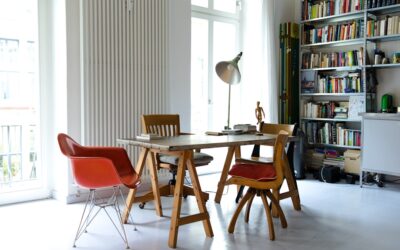
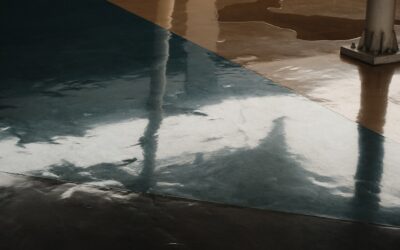
Grey flooring has been one of the defining interior design trends of the past decade — and in 2026, it remains firmly entrenched as a top-tier choice for homeowners and designers. What started as a cool, contemporary alternative to warm browns and honey tones has expanded into a full spectrum of grey shades and materials, from warm greige LVP to dramatic charcoal hardwood to sleek grey porcelain tile.
- Why Grey Flooring Remains Popular
- Grey Flooring Shades: Greige to Charcoal
- Grey Flooring by Type
- Grey LVP (Luxury Vinyl Plank)
- Grey Laminate Flooring
- Grey Hardwood Flooring
- Grey Tile Flooring
- Grey Carpet
- Grey Flooring in Different Rooms
- Matching Walls and Furniture with Grey Floors
- Is Grey Flooring Still Trending in 2026?
- Cost Comparison by Type
- Pros and Cons of Grey Flooring
- Frequently Asked Questions
This guide covers grey flooring across all major types (LVP, hardwood, laminate, tile, and carpet), every shade from light greige to dark charcoal, room-by-room design advice, wall and furniture pairing strategies, and whether grey flooring is still a smart choice heading further into 2026 and beyond.
Why Grey Flooring Remains Popular
Grey flooring endures because it solves design problems that warm-toned floors cannot. Grey is inherently neutral — it does not compete with furniture, artwork, or wall colors the way strong browns, reds, or yellows can. It serves as a quiet backdrop that allows other design elements to take center stage.
Grey also photographs exceptionally well, which matters in the age of real estate listings, social media, and design content. Homes with grey floors consistently appear clean, modern, and move-in ready in listing photos, which has reinforced demand among both homeowners and house flippers.
Finally, grey is practical. Medium grey tones hide dust, pet hair, crumbs, and minor scratches better than either very light or very dark floors. For busy households with kids and pets, this combination of aesthetics and low-maintenance practicality is difficult to beat.
Grey Flooring Shades: Greige to Charcoal
Not all grey floors are created equal. The shade you choose dramatically affects the mood and visual weight of a room.
Light Grey and Greige
Light grey and greige (grey + beige) tones occupy the warm end of the grey spectrum. These shades make rooms feel open, airy, and inviting without the starkness of pure white or the warmth of traditional tan. Greige is particularly versatile because its warm undertone ensures the room never feels cold or clinical. Light grey and greige are the top sellers in LVP and laminate flooring categories as of 2026.
Medium Grey
Medium grey is the sweet spot for practicality. It is dark enough to hide dirt and light enough to keep rooms feeling spacious. Medium grey floors work in virtually any room, with any decor style, and under any lighting conditions. This is the shade most interior designers recommend when clients want grey but are unsure which tone to choose.
Dark Grey and Charcoal
Dark grey and charcoal floors create bold, dramatic statements. They anchor a room visually, make light-colored walls and furniture pop, and convey a sense of luxury and sophistication. However, they show every speck of dust and pet hair, requiring more frequent sweeping. Dark grey works best in larger rooms with ample natural light — in small or dim spaces, charcoal floors can feel oppressive.
Blue-Grey and Weathered Grey
Blue-grey tones add a coastal, weathered quality that works beautifully in beach houses, lake homes, and casual living spaces. Weathered grey — designed to mimic aged, sun-bleached wood — is popular in farmhouse and rustic interiors. Both lean cooler than greige and pair well with whites, soft blues, and natural textures like linen and rattan.
| Shade | Undertone | Room Size Suitability | Hides Dirt | Best Styles |
|---|---|---|---|---|
| Light grey / greige | Warm or neutral | Any (great for small rooms) | Moderate | Modern, Scandinavian, transitional |
| Medium grey | Neutral | Any | Excellent | Universal |
| Dark grey / charcoal | Cool or neutral | Medium to large | Poor (shows dust) | Contemporary, luxury, dramatic |
| Blue-grey / weathered | Cool | Any | Good | Coastal, farmhouse, rustic |
Grey Flooring by Type
Grey LVP (Luxury Vinyl Plank)
Grey LVP flooring is the single largest category of grey flooring sold today. LVP’s 100% waterproof core, realistic wood-look printing, and affordable price ($2 to $5 per square foot) make it the default choice for homeowners who want grey floors throughout the home, including kitchens, bathrooms, and basements. Popular grey LVP lines include LifeProof (Home Depot), COREtec, and Shaw Floorte.
Grey Laminate Flooring
Grey laminate flooring offers excellent realism at an even lower price point than LVP ($1.50 to $4 per square foot). Modern grey laminates feature embossed-in-register textures that mimic real wood grain, and many premium options now include waterproof or water-resistant features. Grey laminate is ideal for living rooms, bedrooms, and hallways — anywhere aesthetics matter but heavy water exposure is not a concern.
Grey Hardwood Flooring
Grey-stained hardwood flooring delivers the warmth and authenticity that only real wood can provide, combined with the modern cool tones of grey. Wire-brushed grey oak, grey-washed white oak, and reactive-stained grey European oak are popular options. Grey hardwood costs $6 to $12+ per square foot installed and adds genuine resale value. It is the premium choice for homeowners who want grey floors with long-term durability and the option to refinish.
Grey Tile Flooring
Grey tile flooring — particularly grey porcelain in concrete-look, marble-look, and stone-look finishes — dominates kitchens, bathrooms, entryways, and commercial spaces. Large-format grey tiles (24×24 or 12×24) in a matte finish create a sleek, minimalist aesthetic. Grey tile is 100% waterproof, highly durable, and available from under $2 to $10+ per square foot depending on quality and format.
Grey Carpet
Grey carpet brings warmth, sound absorption, and comfort to bedrooms, family rooms, and basements. Light grey carpet brightens a room while hiding everyday dirt better than white or cream. Popular grey carpet styles include plush, textured, and patterned loop in shades from silver to charcoal. Grey carpet costs $2 to $6 per square foot for materials plus $1 to $2 for professional installation.
| Type | Material Cost (per sq ft) | Waterproof | Lifespan | Best Rooms |
|---|---|---|---|---|
| Grey LVP | $2.00 – $5.00 | Yes | 15 – 25 years | All rooms including wet areas |
| Grey laminate | $1.50 – $4.00 | Some models | 15 – 25 years | Living rooms, bedrooms, hallways |
| Grey hardwood | $4.00 – $10.00 | No | 50 – 100+ years | Living rooms, bedrooms, dining |
| Grey tile | $2.00 – $10.00 | Yes | 50+ years | Kitchens, bathrooms, entries |
| Grey carpet | $2.00 – $6.00 | No | 8 – 15 years | Bedrooms, family rooms, basements |
Grey Flooring in Different Rooms
Living Room
Grey flooring in the living room creates a sophisticated, gallery-like backdrop for furniture and decor. Medium grey LVP or hardwood in a wide plank format is the most popular choice. Pair with a warm-toned area rug to prevent the space from feeling too cool.
Kitchen
Grey floors in the kitchen complement white and grey cabinetry — the most popular kitchen color scheme in 2026. Grey LVP or grey porcelain tile are the best material choices for kitchen use due to their waterproof performance. Avoid grey hardwood in kitchens unless you are prepared for careful moisture management.
Bedroom
Light grey or greige flooring in bedrooms creates a calming, spa-like atmosphere. Grey laminate and grey carpet are both excellent bedroom choices — laminate for a clean modern look, carpet for warmth and comfort underfoot.
Bathroom
Grey porcelain tile and grey LVP are the two best options for bathroom floors. Grey marble-look porcelain is particularly striking in bathrooms, delivering a luxury hotel aesthetic at a fraction of the cost of real marble. Ensure any LVP used in bathrooms carries a waterproof rating.
Basement
Grey LVP is the ideal basement flooring choice — it handles moisture vapor from concrete slabs, resists mold and mildew, and brightens below-grade spaces that often lack natural light. Light grey tones are especially effective in basements to counteract the typically dim lighting.
Matching Walls and Furniture with Grey Floors
Getting the right balance between grey flooring and the rest of the room’s palette is critical. Here are proven strategies.
Warm grey floors + warm white walls. This is the safest, most universally appealing combination. Avoid stark, cool whites on walls when the floor has warm (greige) undertones — the clash between warm and cool can make both look wrong. Benjamin Moore Simply White or Sherwin-Williams Alabaster pair well with warm grey floors.
Cool grey floors + crisp white or light grey walls. If your grey floor leans cool (blue-grey or silver), match with crisp whites or very light cool greys on the walls. This creates a cohesive, contemporary look that feels intentional and polished.
Add warmth with wood and textiles. All-grey rooms risk feeling cold and sterile. Balance grey floors with warm wood furniture (walnut, oak, teak), warm metallic accents (brass, gold, copper), and textured textiles (wool throws, linen pillows, jute rugs). These elements add the warmth that grey alone cannot provide.
Contrast with dark furniture. Medium grey floors pair beautifully with dark navy, charcoal, or black furniture for a sophisticated, layered look. The contrast creates visual interest without introducing competing warm tones.
Is Grey Flooring Still Trending in 2026?
Yes, grey flooring remains a strong trend in 2026, though the market has evolved. The peak of the “cool grey everywhere” trend occurred around 2018 to 2021, when stark silver and blue-grey floors dominated showrooms. Since then, the market has shifted toward warmer greys — greige, taupe-grey, and warm medium grey — that offer the modern neutrality of grey without the coldness that some homeowners found unappealing.
Design experts note that grey has transitioned from a trendy choice to a modern classic, similar to how white kitchens went from trend to standard. Grey flooring is not going away, but the specific shades preferred are evolving. If you are installing grey floors in 2026, leaning toward warm grey or greige over stark cool grey is the safer long-term bet.
The flooring shades that are declining are the very cool, almost blue-tinted greys that peaked in popularity around 2019. These can now look slightly dated. Warm greys, natural tones, and organic-looking greige floors are the current sweet spot — modern enough to feel contemporary, warm enough to feel timeless.
Cost Comparison by Type
| Grey Flooring Type | Material (per sq ft) | Installation (per sq ft) | Total Installed (per sq ft) |
|---|---|---|---|
| Grey LVP | $2.00 – $5.00 | $1.50 – $3.00 | $3.50 – $8.00 |
| Grey laminate | $1.50 – $4.00 | $1.50 – $3.00 | $3.00 – $7.00 |
| Grey hardwood | $4.00 – $10.00 | $3.00 – $5.00 | $7.00 – $15.00 |
| Grey porcelain tile | $2.00 – $10.00 | $4.00 – $8.00 | $6.00 – $18.00 |
| Grey carpet | $2.00 – $6.00 | $1.00 – $2.00 | $3.00 – $8.00 |
Pros and Cons of Grey Flooring
Pros
- Universally neutral — complements virtually any wall color, furniture, and decor style
- Modern and timeless — especially warm grey and greige tones
- Hides dirt well — medium grey tones mask dust, hair, and minor imperfections
- Photographs beautifully — adds value to real estate listings and design photography
- Available in every material — LVP, laminate, hardwood, tile, and carpet all come in grey
- Brightens rooms — lighter greys make spaces feel open without the starkness of white
Cons
- Can feel cold — especially cool grey tones without warm accents to balance
- Trend fatigue risk — very cool, stark greys from 2018-2020 can look dated
- Harder to match with warm wood tones — grey floors can clash with existing warm-toned cabinets or furniture
- Dark grey shows everything — charcoal floors require frequent sweeping to look clean
- Some grey hardwood stains fade — reactive grey stains on hardwood may shift over time with UV exposure
Frequently Asked Questions
Is grey flooring going out of style?
No. Grey flooring has transitioned from a trend to a modern staple. While very cool, blue-tinted greys from the late 2010s have become less popular, warm greys, greige tones, and natural-looking grey finishes remain among the top-selling flooring shades in 2026. Choosing a warm or neutral grey ensures your floor will look current for years to come.
What wall color goes best with grey floors?
White and off-white walls are the most popular pairing with grey flooring. Match warm grey floors with warm whites (Alabaster, Simply White) and cool grey floors with crisp whites. Soft greens, muted blues, and warm taupes also work well. Avoid yellow or orange walls, which can clash with grey’s cool undertones.
Does grey flooring make a room look bigger?
Light and medium grey floors can make a room appear larger and more open compared to dark brown or espresso-toned floors. Grey reflects more light than dark colors and creates a sense of visual spaciousness. For maximum room-enlarging effect, choose light greige in a wide plank or large-format tile.
What furniture goes with grey floors?
Grey floors pair beautifully with white, cream, navy, charcoal, and natural wood furniture. Add warmth with walnut or oak wood tones, brass or gold metal accents, and textured fabrics. Avoid matching grey furniture on grey floors — the monochrome effect can look flat. Instead, create contrast with lighter or darker furniture pieces.
Is grey LVP or grey laminate better?
Grey LVP is better for kitchens, bathrooms, basements, and any moisture-prone area because it is 100% waterproof. Grey laminate is better for bedrooms and living rooms where a more natural wood feel and slightly lower price point are priorities. Both offer excellent realism and durability in grey finishes. See our grey laminate guide and LVP guide for detailed comparisons.
Can I mix grey flooring with warm-toned cabinets?
Yes, but shade matching matters. Warm grey (greige) floors work well with honey-toned or natural wood cabinets because the warm undertone creates a bridge between the two. Cool, stark grey floors can clash with very warm cabinets, creating a disjointed look. If you have warm cabinets, lean toward greige or warm medium grey for your floor.
Prefer to explore on your own?
See how new flooring looks in your actual room in seconds — free, no signup.
Try the free Floor Studio →