Real linoleum is not vinyl — it’s a natural composite of linseed oil, pine rosin, wood flour, cork dust, limestone, and pigments pressed onto a jute backing, invented in 1855 and still made the same way at Forbo’s Kirkcaldy mill. Grey linoleum flooring has surged back into spec sheets because the material’s environmental story (biodegradable, carbon-neutral manufacturing) lines up with modern green-building goals, and the cool grey palette suits the minimalist, Scandinavian-influenced interiors dominating residential and commercial design. Don’t confuse it with sheet vinyl labeled “linoleum” by old-school contractors — the two materials behave very differently and command different prices.
Real Linoleum vs. Vinyl: Why the Confusion Persists
Through the 1970s, “linoleum” was the catch-all American term for any resilient sheet flooring, including PVC vinyl. That naming hangover still trips people up at retailers. True linoleum carries certifications from Forbo (Marmoleum), Armstrong, Tarkett, or Gerflor — look for ASTM F2034 compliance and natural-content statements showing 80%+ bio-based content.
The two materials behave differently in real installs. Vinyl yellows under UV, while linoleum can amber slightly but recovers when exposed to light. Vinyl is fully waterproof; linoleum tolerates surface moisture but dislikes prolonged saturation. Vinyl scratches show pale stripes; linoleum scratches show through to the same color because the pigment runs all the way through the material.
Grey Linoleum Color Options
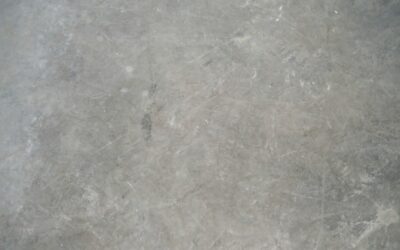
The grey range in modern linoleum is impressive. Forbo Marmoleum offers more than 30 grey tones — from cool concrete-grey “Pebble” to warm taupe “Smokey Mountain” to deep charcoal “Volcanic Ash.” Armstrong’s Linorette and DLW collections cover similar ground in commercial-grade goods. Tarkett’s Veneto xf2 Linoleum is the workhorse for hospitals and schools.
The marbled-grey patterns hide everything — dust, scuffs, and minor wear practically disappear into the variation. Solid grey colors look cleaner architecturally but show every dust bunny within an hour. Test with full-size samples in your actual lighting before committing.
Sheet vs. Tile vs. Click-Lock Plank
Linoleum comes in three formats. Sheet linoleum (6.5-foot-wide rolls) is the original — heat-welded seams produce a near-monolithic floor for hospitals, schools, and labs. It demands skilled installation and isn’t DIY-friendly. Linoleum tile (typically 13×13 inches) glues down with a water-based adhesive and is more forgiving for residential projects.
The newest format is click-lock linoleum panels — Forbo Marmoleum Click and similar products — that float over an underlayment without adhesive. These run wider and longer than tile, install in an afternoon, and bring linoleum within reach of weekend DIYers. Expect $5 to $8 per square foot for click goods, $4 to $7 for tile, and $6 to $10 for sheet, all material-only.
The Linseed Oil Maintenance Reality
Quality grey linoleum flooring smells faintly of linseed oil for the first 4 to 8 weeks — this is normal off-gassing as the natural binder finishes curing. Don’t mistake it for chemical odors; the smell is harmless and fades. The cured surface continues to slowly self-heal minor scratches over time as the linseed oil oxidizes.
Cleaning protocol matters. Use only neutral-pH cleaners marketed for linoleum (Forbo Monel, Bona Hardwax Soap). Avoid bleach, ammonia, vinegar, and high-pH disinfectants — they damage the linseed binder, causing yellowing and surface dulling. Damp mop weekly, never flood. Apply a polish or finish twice yearly in commercial settings to protect the surface.
Pros of Grey Linoleum Flooring
- Natural, biodegradable material with documented life-cycle benefits
- Color and pattern run through full thickness — scratches don’t telegraph
- 30 to 40-year service life in well-maintained commercial installs
- Naturally bacteriostatic — used in healthcare and food-service settings
- Comfortable underfoot with slight cushion compared to tile or hardwood
- Cradle-to-cradle and FloorScore certified for green building credits
Cons and Honest Drawbacks
- Sensitive to standing water — not for showers, full bathrooms, or below grade without vapor control
- Linseed-oil ambering is real — colors shift slightly under UV
- Strict cleaning chemistry required; wrong products cause permanent damage
- Initial off-gassing odor for 4 to 8 weeks
- Sheet installation requires skilled welder; budget for premium labor
- Limited big-box availability — most goods come from specialty distributors
Buying Guide: How to Spec the Right Product
For residential installs, Forbo Marmoleum Click is hard to beat — DIY-friendly, dozens of grey tones, real linoleum performance without adhesive labor. For commercial and institutional projects, sheet linoleum with heat-welded seams remains the gold standard. Confirm the manufacturer’s chemical-resistance chart matches your cleaning protocol before signing.
Verify three things on every order: ASTM F2034 compliance, FloorScore certification for indoor air quality, and a written warranty (typically 25 years residential, 10 years commercial). Order 8% to 10% extra for cuts and future repairs, and store overage flat in conditioned space. Plan on $7 to $13 per square foot turnkey for residential grey linoleum flooring including underlayment and basic prep.
Frequently Asked Questions
Is grey linoleum the same as grey vinyl?
No. Linoleum is natural-material based; vinyl is PVC-based. They look similar at a distance but behave differently with water, UV, and cleaning chemicals. Real linoleum carries specific certifications you can verify on the manufacturer’s website.
Can grey linoleum go in a kitchen?
Yes, with prompt cleanup of spills. Sheet linoleum with welded seams is the most water-tolerant format. Avoid full immersion — don’t install in showers, mudrooms with snow piles, or laundry rooms with washer-supply lines that could fail.
How long does it last?
Properly maintained sheet linoleum lasts 30 to 40 years in commercial settings. Click-lock and tile residential installs typically run 20 to 30 years. The material wears slowly and uniformly across its full thickness.
Why does new linoleum smell?
The linseed oil binder continues to oxidize and cure for several weeks after install, producing a faint oil-paint odor. Ventilate the space and the smell fades. It’s harmless natural off-gassing, not VOC emissions.
Can I install linoleum over an existing vinyl floor?
Generally no. Linoleum needs a clean, flat, absorbent substrate — old vinyl, especially with cushion backing, will telegraph through and cause adhesive failure. Pull the existing floor and prep the subfloor first.
How does grey linoleum compare to grey LVP?
Linoleum is a natural, biodegradable material with a longer lifespan but stricter cleaning requirements. LVP is fully waterproof, easier to install, and cheaper but is petroleum-based. The choice usually comes down to environmental priorities versus moisture tolerance.
Prefer to explore on your own?
See how new flooring looks in your actual room in seconds — free, no signup.
Try the free Floor Studio →