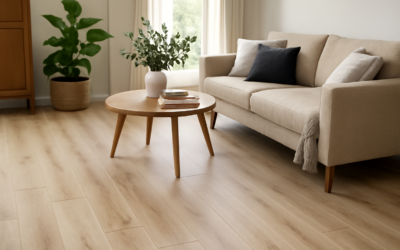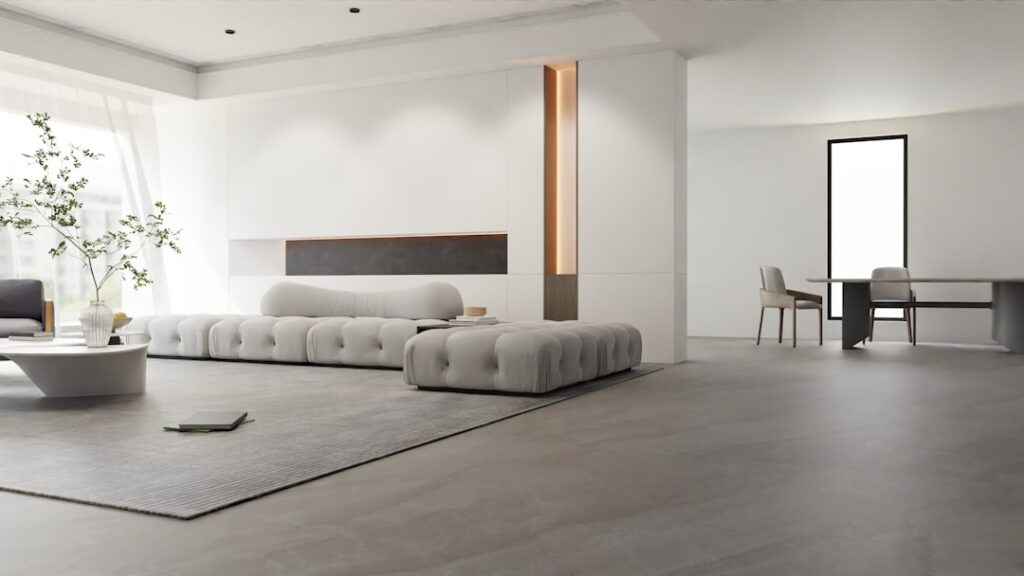
Grey has quietly become the default floor color of the modern home, and there’s a smart reason it dominates showrooms. Grey SPC flooring combines one of the most versatile, design-friendly tones available with the toughest rigid-core vinyl construction on the market. It’s waterproof, scratch-resistant, and easy to live with, which is exactly what busy households want. But not all grey is created equal, and the wrong shade can make a room feel cold or show every speck of dust. Here’s how to get it right.
What SPC Flooring Actually Is
SPC stands for stone-polymer composite, a rigid-core vinyl made from limestone powder, PVC, and stabilizers compressed into an extremely dense, stiff core. That core is the key to its performance. Unlike flexible vinyl, SPC won’t telegraph minor subfloor imperfections, and unlike WPC it barely expands or contracts with temperature swings. A typical SPC plank has the rigid core, a printed decor layer, a clear wear layer on top, and often a pre-attached underlayment pad. The result is a thin but incredibly stable, fully waterproof floor.
Why Grey Is So Popular
Grey works because it’s a neutral that leans neither overly warm nor stark. It bridges design styles effortlessly, complementing white kitchens, black hardware, wood furniture, and bold accent colors alike. From a practical standpoint, mid-tone greys are among the best at hiding everyday mess. They camouflage dust, light scratches, and minor scuffs far better than pure white or true black floors. That combination of style flexibility and forgiving maintenance is why grey consistently leads vinyl sales.
Choosing the Right Grey Shade
The undertone of your grey matters more than the name on the box. Get this wrong and a floor that looked perfect in the showroom can feel off at home.
- Cool greys: Blue or steel undertones read modern and crisp, but can feel cold in north-facing rooms with little sun.
- Warm greys (greige): Beige or taupe undertones feel cozy and pair beautifully with wood tones; the safest all-around pick.
- Light greys: Open up small rooms and brighten basements, but show dirt more readily.
- Dark/charcoal greys: Dramatic and sophisticated, but reveal dust, footprints, and pet hair.
Always view a full plank or large sample in your own room at different times of day before committing.
Pros of Grey SPC Flooring
This category earns its popularity with genuine performance advantages:
- 100% waterproof: Safe for kitchens, baths, basements, and laundry rooms.
- Dimensionally stable: Resists expansion in sunrooms and over slabs.
- Durable: Dense core stands up to dropped items and heavy traffic.
- DIY-friendly: Click-lock floating install needs no glue or nails.
- Low maintenance: Sweep and damp-mop; never needs refinishing.
- Quiet and firm underfoot: Rigid core feels solid, especially with an attached pad.
Cons and Limitations
SPC isn’t perfect, and you should weigh the downsides. The rigid core makes it harder and colder underfoot than softer WPC, so some people add area rugs for comfort. It can dent under extremely heavy point loads like a piano leg, and it isn’t refinishable, so a damaged plank gets replaced rather than repaired. Cheaper grey lines with thin wear layers can scratch and may fade in direct sun. And cool-toned greys, while trendy, risk looking dated faster than warm neutrals, so consider longevity if you plan to stay put for many years.
Key Specs to Compare
When you compare grey SPC products, focus on the wear layer first because it predicts durability. Aim for 12 mil for standard homes, 20 mil for pets and heavy traffic, and 28 mil or more for commercial use. Check the overall thickness; 4mm to 6mm rigid planks feel substantial and bridge minor subfloor flaws. Confirm a pre-attached IXPE or cork underlayment for comfort and sound, and look for FloorScore certification to verify low VOC emissions. Finally, read the warranty terms, not just the headline number.
Cost and Installation
Grey SPC flooring materials commonly run $2.50 to $5 per square foot, with premium thick-wear-layer products reaching $6 or more. Professional installation adds roughly $1 to $3 per square foot, though the click-lock floating system is well within reach for confident DIYers. Prep the subfloor so it’s clean, dry, and level within manufacturer tolerances, leave an expansion gap around the perimeter, and acclimate the planks in the room for 48 hours before installing to prevent gapping. Use a tapping block to lock the joints cleanly without damaging the edges.
Maintenance and Longevity
One of grey SPC’s biggest selling points is how little upkeep it needs. Sweep or dry-dust mop regularly to remove grit that can scratch the wear layer, then damp-mop with a cleaner formulated for luxury vinyl. Skip steam mops, abrasive pads, and oily or wax-based cleaners that leave a film. Even though the floor is waterproof, wipe standing water from joints over time to keep moisture from sitting against trim and baseboards. Use felt pads under furniture, and lift rather than drag heavy items to avoid gouges. Add walk-off mats at entries to trap dirt. Treated this way, quality SPC commonly lasts 15 to 25 years in a home, and grey’s forgiving mid-tones mean it hides the minor wear that accumulates along the way better than most colors.
Decorating With Grey Floors
Grey’s neutrality is an asset, but coordinating it well makes the room feel intentional. Warm greige floors pair beautifully with wood furniture, cream walls, and brass or black hardware for a cozy, current look. Cooler greys lean modern and work with crisp whites, charcoal, and steel tones, though they benefit from warm textiles and rugs so the space doesn’t feel sterile. Light grey floors brighten basements and small rooms and let you go bolder with furniture, while charcoal floors create drama but call for plenty of light and lighter walls to balance them. Layering in area rugs adds warmth underfoot and softens the firm feel of the rigid core, which is an easy way to make a grey SPC room more inviting.
Is Grey SPC Right for You?
If you want a waterproof, low-maintenance floor that looks current and hides daily wear, grey SPC is one of the strongest choices available. Lean toward a warm greige undertone for the most timeless, versatile result, pick a wear layer matched to your traffic, and view a large sample in your own light first. Get those decisions right and you’ll have a tough, good-looking floor that fits almost any room and any decor style.
Prefer to explore on your own?
See how new flooring looks in your actual room in seconds — free, no signup.
Try the free Floor Studio →