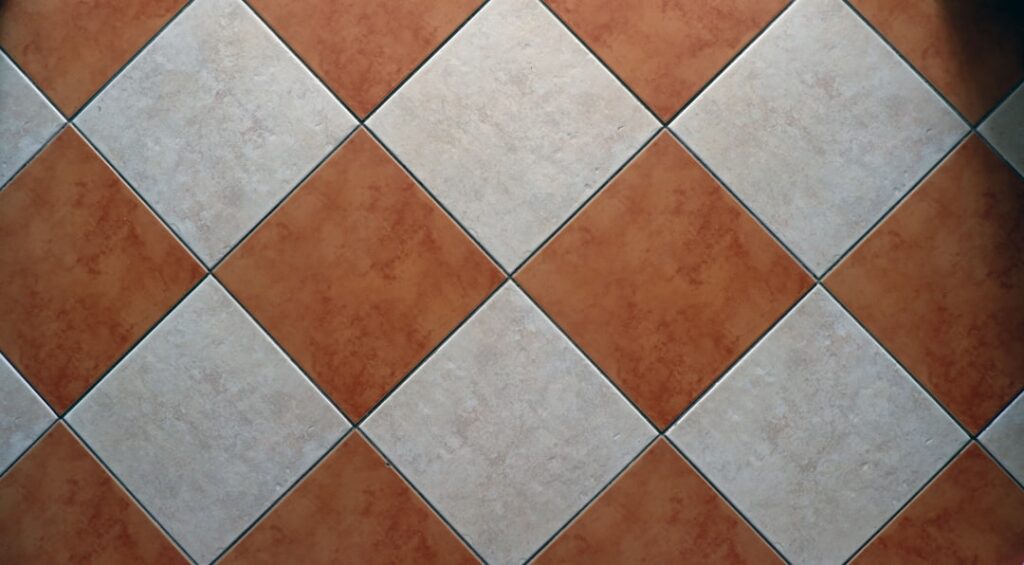
Dingy, gray grout lines can make an otherwise spotless tile floor look tired and neglected. The right grout cleaner and brightener lifts years of trapped grime, restores the original color, and leaves your tile looking freshly installed. This guide walks you through which products actually work, how to use them safely, and the one finishing step most people skip that keeps grout bright for the long haul.
Why Grout Gets Dirty and Discolored
Grout is porous by nature. The cement-based mix used between most tiles is full of tiny voids that soak up water, soap film, cooking grease, and foot traffic. Over months, those contaminants settle deep into the surface and oxidize, turning crisp white lines a muddy tan or gray.
In bathrooms, the culprit is usually soap scum and mildew feeding on moisture. In kitchens, it tends to be grease and food spatter. On entry floors, it is plain dirt ground in by shoes. Knowing the source matters because it determines which cleaner will break the bond fastest. Greasy grime needs an alkaline approach, while general dirt and light staining respond well to oxygen-based and mild abrasive methods.
The Cleaners That Actually Work
You do not need a cabinet full of specialty bottles. A handful of proven options cover nearly every situation, and most cost just a few dollars.
Oxygen Bleach
Oxygen bleach (sodium percarbonate, sold as powdered formulas) is the workhorse for whitening grout. Mix it with warm water to form a slurry, brush it into the lines, and let it sit 10 to 15 minutes before scrubbing. Unlike chlorine bleach, it lifts stains through oxidation without the harsh fumes, and it is far gentler on colored grout and surrounding surfaces.
Baking Soda and Vinegar
For everyday dirt, spread a paste of baking soda and water along the grout, then spray lightly with white vinegar. The fizzing action helps loosen surface grime. Scrub with a stiff brush and rinse. This combination is cheap and effective for general cleaning, but use it sparingly on cement grout and avoid it entirely on natural stone, since the acid in vinegar can etch both over time.
Hydrogen Peroxide Paste
Combine hydrogen peroxide (the standard 3 percent drugstore strength) with baking soda into a thick paste. Apply it directly to stubborn stains, cover with plastic wrap to slow evaporation, and leave it 30 minutes. Peroxide is a mild, color-safe brightener that works especially well on light grout in showers.
Commercial Alkaline Grout Cleaners
When grease is the problem, reach for a commercial alkaline grout cleaner. These high-pH formulas dissolve oily buildup that oxygen bleach alone cannot touch, making them ideal for kitchen floors and backsplashes. Follow the label dilution and dwell time exactly.
A Critical Safety Warning
Never mix bleach with any acidic cleaner. Combining chlorine bleach with vinegar, acidic toilet bowl cleaners, or other acids produces toxic chlorine gas, which can cause serious respiratory injury in an enclosed bathroom. If you have used one product and want to switch to another, rinse the area thoroughly with plain water and ventilate the room before applying anything new.
Two more habits keep the job safe: wear gloves to protect your skin, and open a window or run an exhaust fan whenever you work with any chemical cleaner in a small space.
Step-by-Step: Cleaning and Brightening Grout
- Sweep or vacuum the floor so loose dirt does not turn into mud when you add water.
- Pre-rinse the grout lines with warm water to open the pores.
- Apply your chosen cleaner. Use oxygen bleach for general whitening, an alkaline product for grease, or a peroxide paste for spot stains.
- Let it dwell 10 to 15 minutes (up to 30 for a peroxide paste). Do not let it dry out completely.
- Scrub with a stiff nylon grout brush or an old toothbrush for tight corners. Work in short sections so the cleaner stays wet.
- Rinse thoroughly with clean water and wipe up the residue with a microfiber cloth.
- Let the grout dry completely, ideally 24 hours, before the final step.
Test Before You Treat Natural Stone
If your tile is marble, travertine, slate, or any natural stone, treat acidic cleaners with extreme caution. Vinegar and other acids can etch the stone surface, leaving dull, rough spots that no amount of scrubbing will fix. Always test any acidic or unfamiliar cleaner on a hidden patch first, and lean toward pH-neutral or oxygen-based products around stone. Acidic cleaners can also slowly degrade cement grout, so even on ceramic and porcelain tile, reserve vinegar for occasional use rather than your weekly routine.
The Step Most People Skip: Sealing
Cleaning gets the grout bright, but sealing keeps it that way. Once the grout is fully dry, apply a penetrating grout sealer with a small applicator brush or roller bottle, following the product directions. The sealer fills the porous surface so dirt, grease, and water sit on top instead of soaking in. That means your next cleaning is a quick wipe rather than a deep scrub.
Plan to reseal grout every one to two years in high-traffic or wet areas. A simple test tells you when it is time: drop a few beads of water on the grout. If they bead up, the seal is intact. If they soak in and darken the line, it is time to reseal.
Keeping Grout Bright Between Deep Cleans
A little maintenance stretches the time between heavy scrubbing sessions. Wipe up spills promptly, especially anything greasy or strongly colored like wine or coffee. In showers, run a squeegee or quick towel pass to cut down on standing moisture and mildew. Once a week, a light mist of an oxygen-based cleaner or a diluted neutral floor cleaner keeps buildup from taking hold.
Avoid steam-cleaning sealed grout too aggressively, since high heat can break down the sealer over time. And resist the urge to use a metal brush; the wire bristles scratch grout and can chip surrounding tile glaze. A quality nylon brush does the job without the damage.
When to Call a Professional
Most grout responds beautifully to home methods, but a few situations warrant outside help. If the discoloration is actually a permanent stain set into damaged grout, or if you see cracking and crumbling, the grout may need regrouting rather than cleaning. Professional steam extraction and color-sealing services can also rescue badly neglected floors and even change the grout color uniformly. For a large area of valuable natural stone, a pro with the right neutral products and equipment is often money well spent.
For everyday maintenance, though, a smart grout cleaner and brightener routine, plus a fresh coat of sealer, will keep your tile looking sharp for years without professional intervention. The combination of the right product, a little dwell time, and that final sealing step is what separates a quick surface clean from grout that genuinely looks new.