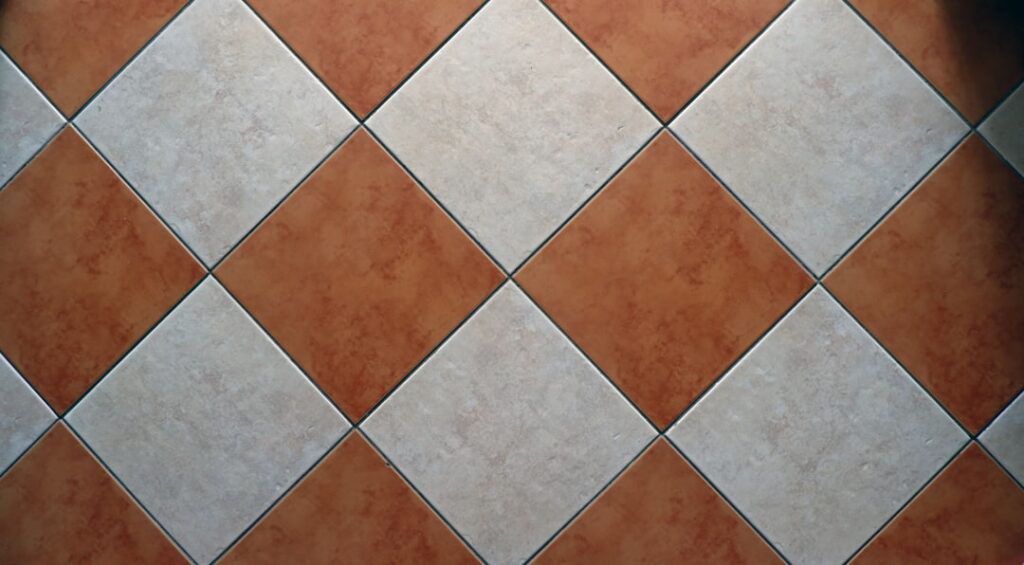
Dingy, discolored grout can make an otherwise clean tile floor look tired, and no amount of scrubbing fully restores badly stained lines. Recoloring with grout stain colors transforms the look of tile without the mess and expense of ripping it out, letting you refresh a floor or backsplash in an afternoon. Grout stain, sometimes called grout colorant, seals and permanently recolors existing grout in almost any shade you want. Here is how to choose the right color and apply it for professional-looking results.
- What Grout Stain Actually Does
- Popular Grout Stain Colors
- Matching Color to Your Tile
- Light Versus Dark Considerations
- What You Need to Apply It
- How to Apply Grout Stain
- Cost and Durability
- Testing the Color Before You Commit
- How Long Grout Stain Lasts
- Room-by-Room Color Recommendations
- Is Grout Staining Right for You
What Grout Stain Actually Does
Grout stain is a pigmented, epoxy-based coating that bonds to cured cement grout, giving it a new, uniform color while sealing it against future stains. Unlike a surface paint, quality colorant penetrates and permanently changes the grout, resisting the discoloration that plagued the original lines.
It works only on cement-based grout, not on epoxy grout, which is nonporous and will not absorb the colorant. The transformation is dramatic: yellowed, patchy, mismatched grout becomes clean and consistent, and you can even switch to a completely different color to change the whole look of your tile.
Popular Grout Stain Colors
Color choice dramatically affects how a tiled surface reads. The right shade can make tile pop, hide dirt, or create a seamless, modern look.
- Bright white gives a crisp, clean look but shows soil fastest in high-traffic areas.
- Gray in light to charcoal tones is the most forgiving and popular for floors.
- Beige and tan blend with neutral tile and hide everyday dirt well.
- Black or dark charcoal creates bold contrast that frames each tile.
- Brown pairs naturally with warm-toned stone and terracotta tile.
For floors, mid-tone grays and tans strike the best balance between clean appearance and hiding inevitable grime.
Matching Color to Your Tile
The relationship between grout and tile color sets the entire mood of the surface. Choosing a grout close to the tile color creates a subtle, seamless look that makes the space feel larger and calmer, ideal for large-format tile and modern designs.
Choosing a contrasting grout, such as dark lines with white tile, emphasizes the pattern and gives a bold, graphic effect popular with subway tile and geometric layouts. Grab a color chart, hold sample chips against your tile in the room’s actual lighting, and consider how much dirt the space sees before committing.
Light Versus Dark Considerations
Practical maintenance should factor into your choice as much as looks. Light grout, especially bright white, looks fresh but reveals every speck of dirt, mildew, and foot traffic, demanding more frequent cleaning to stay crisp.
Darker grout hides soil far better and is the smart pick for busy kitchens, entryways, and mudrooms. The trade-off is that very dark grout can show soap scum and hard-water mineral deposits in showers, so mid-range grays often win as the most livable compromise across most rooms.
What You Need to Apply It
Grout staining is a straightforward DIY project with modest supplies. You will need grout colorant in your chosen shade, a stiff-bristle grout brush or a specialized applicator, painter’s tape, clean rags, and a bucket of water.
Plan on one bottle or kit covering roughly 100 to 200 square feet of typical floor grout lines, though coverage varies with line width and tile size. Buy a little extra so you do not run out mid-project and risk a slight color mismatch between batches. Good ventilation and knee pads make the work far more comfortable.
How to Apply Grout Stain
Preparation is everything. Deep-clean the grout first with a grout cleaner and let it dry completely, since colorant will not bond to dirty, greasy, or damp lines. Any old sealer must be stripped or the stain will not penetrate.
Work in small sections, brushing the colorant into the grout lines and scrubbing it in so it fully coats the joint. Wait a few minutes per the product instructions, then wipe excess off the tile face with a damp rag before it cures. On textured or porous tile, tape off or work carefully, because colorant can lodge in the tile’s surface. Let it cure fully, usually 24 to 72 hours, before exposing the area to water.
Cost and Durability
Grout staining is one of the most cost-effective refreshes available. A colorant kit runs $20 to $40 and covers a typical bathroom or kitchen backsplash, so the whole project often costs under $50 in materials versus hundreds or thousands to regrout or retile.
Properly applied, the color is permanent and seals the grout against future staining for years. Occasional light cleaning keeps it looking sharp, and because the colorant also acts as a sealer, you skip the separate sealing step new grout would require. For the price, few upgrades deliver a bigger visual payoff than freshly recolored grout.
Testing the Color Before You Commit
Grout colorant is permanent, so testing first saves you from an expensive regret. Colors can look different once applied and cured than they do on the bottle or a small chip, and lighting in your room dramatically affects the result. Always stain a small, inconspicuous section first and let it fully cure before judging.
Look at the test patch in both daylight and your evening artificial light, since a gray that reads soft and neutral by day can look cold and blue under warm bulbs. If you are trying to match existing grout in an adjacent area, this test is doubly important. Only once you are happy with the cured sample should you commit to staining the entire floor or backsplash.
How Long Grout Stain Lasts
Properly applied grout colorant is designed to be a long-term, even permanent, solution rather than a temporary refresh. Because quality products are epoxy-based and both color and seal the grout in one step, they bond deeply and resist the fading and discoloration that plague untreated cement grout. Most stained grout holds its color for many years with only routine cleaning.
Longevity depends heavily on preparation and traffic. Grout that was cleaned thoroughly, fully dried, and stripped of old sealer before staining bonds best and lasts longest. In heavy-traffic entryways and busy kitchens, you may eventually see minor wear at the most-walked joints, but a quick touch-up with leftover colorant restores the look without redoing the whole floor. Keeping a little product in reserve for spot repairs is a smart move.
Room-by-Room Color Recommendations
The best grout color often depends on the room and how it is used. In busy kitchens and entryways, mid-tone grays and warm tans hide the inevitable dirt and foot traffic while still looking clean and intentional. Bright white in these spaces looks stunning at first but quickly shows every crumb and scuff.
Bathrooms and showers reward a slightly different approach. A grout close to the tile color creates a calm, seamless look that makes a small bath feel larger, while a soft gray resists the soap scum and mildew staining that plague white grout in wet areas. For decorative backsplashes and accent walls, a contrasting dark grout can turn plain subway tile into a bold graphic feature. Consider the room’s traffic, moisture, and the mood you want before locking in a shade, since the same color performs very differently from one space to the next.
Is Grout Staining Right for You
If your tile is sound but the grout is stained, patchy, or simply the wrong color, staining is an affordable, high-impact fix you can do yourself in a day. Confirm you have cement grout, choose a color that balances appearance with how much dirt the room sees, and prep the lines meticulously before you apply. Do that, and grout stain colors will make your existing tile look freshly installed at a tiny fraction of replacement cost.