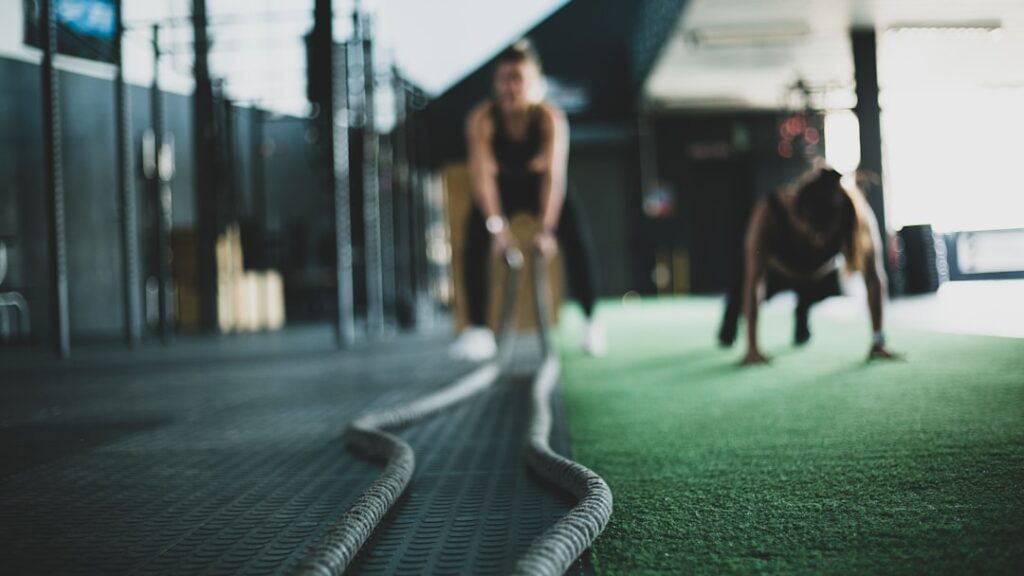
When you are outfitting a home gym or fitness space, the floor matters more than most people expect, and gym carpet is one of the most practical and affordable surfaces you can choose. Unlike plush residential carpet, gym carpet is a dense, low-pile, hard-wearing flooring built to take dropped weights, cardio machines, sled pushes, and constant foot traffic while providing traction and a bit of cushioning. It fills a specific niche between hard rubber flooring and turf. This guide covers the types of gym carpet, what to look for, how it compares to rubber and turf, costs, and how to install it.
Why Choose Carpet for a Gym
Gym carpet earns its place for several reasons. It is far more affordable than premium rubber tiles or rolls, making it easy to cover a large garage or basement gym on a budget. It provides good traction for bodyweight exercises, stretching, and functional training, and a low-pile surface is comfortable for floor work without being so soft that it hinders stability. It also deadens sound and reduces the echo that plagues bare concrete and hard-floored workout rooms.
Compared to plush home carpet, gym carpet is engineered to resist crushing, matting, and moisture. It handles the dragging of equipment and the impact of activity without wearing out quickly. For garage and basement gyms in particular, it turns a cold, hard concrete slab into a warmer, quieter, more usable training space at a fraction of the cost of a full rubber floor.
Types of Gym Carpet
There are a few distinct categories that get grouped under gym carpet, and knowing the difference helps you match the surface to your training:
- Low-pile commercial carpet: Dense, short-fiber carpet similar to what covers commercial gym floors, good for general fitness rooms, cardio, and light strength work.
- Carpet tiles: Modular squares that lock or glue down, easy to install and to replace individual damaged tiles.
- Gym turf (artificial grass): Not technically carpet but often grouped with it, a durable turf surface popular for sled pushes, functional training, and CrossFit-style workouts.
- Carpet-topped rubber tiles: Interlocking tiles with a carpet surface bonded to a rubber base for cushioning and impact absorption.
For a versatile home gym, low-pile carpet or carpet tiles cover most needs. If you plan to drop heavy weights, pair carpet with rubber underneath or choose carpet-topped rubber tiles, since carpet alone does not protect a slab from heavy dropped loads.
What to Look For
Several features separate a good gym carpet from ordinary residential carpet:
- Low, dense pile: Short fibers resist matting and provide a stable surface for exercise.
- Durable fiber: Polypropylene and nylon stand up to heavy traffic and equipment.
- Moisture resistance: Important in basements and garages; look for moisture-resistant backing and consider a vapor barrier over concrete.
- Attached or minimal padding: Some cushioning is nice underfoot, but too much padding makes the surface unstable for lifting.
Stability matters for strength training. A very plush, thick carpet feels comfortable but compromises your footing under load, so err toward denser, lower-pile options if you lift weights. Save the thicker, cushioned surfaces for stretching and cardio-focused rooms.
Gym Carpet Versus Rubber and Turf
Each flooring type has a role in a well-planned gym. Rubber flooring is the gold standard for heavy weightlifting, protecting the slab and your equipment from dropped barbells and dumbbells, but it costs more and is heavier to install. Turf excels for sled work, sprints, and functional training, offering grip and a distinct training zone. Gym carpet slots in as the affordable, comfortable, quiet all-rounder for general fitness, cardio, yoga, and bodyweight work.
Many home gyms use a combination, laying rubber in the lifting area, turf in a training lane, and carpet across the general floor. If you can only choose one and you are not dropping heavy weights, gym carpet gives you the most usable, comfortable space per dollar. If heavy lifting is your focus, prioritize rubber where the barbell lives.
Costs and Installation
Gym carpet is one of the more budget-friendly gym flooring options. Rough pricing:
- Low-pile carpet rolls: roughly $1 to $4 per square foot.
- Carpet tiles: $2 to $5 per square foot, with easy DIY installation.
- Gym turf: $2 to $6 per square foot depending on quality.
- Carpet-topped rubber tiles: $3 to $8 per square foot for the added cushioning.
Installation is often a manageable DIY job. Carpet tiles are the simplest, peeling and sticking or interlocking directly over a clean, dry slab. Broadloom carpet rolls can be laid loose, double-stick taped, or glued down. Over concrete, always check for moisture first and add a vapor barrier if needed to prevent mildew under the carpet. Ensure the surface is clean and level before installing, and leave heavy equipment areas reinforced with rubber.
Maintenance and Longevity
Keeping gym carpet in good shape is refreshingly simple compared to other flooring. Regular vacuuming pulls out the dust, chalk, and grit that would otherwise grind into the fibers and shorten the carpet’s life. Sweat is the main enemy in a home gym, so wipe down the surface periodically and make sure the room has decent ventilation, since trapped moisture invites odor and mildew, especially in a closed basement. For deeper cleaning, a spot treatment or occasional shampoo handles the areas around cardio machines where perspiration concentrates.
Durability depends heavily on the quality of the fiber and how you use the space. A dense commercial-grade polypropylene or nylon carpet can absorb years of foot traffic, dragged equipment, and daily workouts without matting flat. Rotating equipment placement occasionally spreads out the wear so you do not develop a single crushed track where the treadmill or rack always sits. With basic care, a decent gym carpet easily lasts five to ten years, and the modular tile versions let you swap out any single square that finally wears through without replacing the whole floor.
Planning Your Gym Floor Layout
Before buying, sketch how you will actually use the room and zone the floor accordingly. Reserve the sturdiest surface, ideally rubber or carpet-topped rubber, for wherever the barbell and heavy dumbbells live, since that is where impact protection matters most. Lay comfortable low-pile carpet across the general stretching, cardio, and bodyweight areas. If you do sled work or sprints, dedicate a lane of turf. Thinking through these zones up front lets you spend your budget where it counts and gives you a training space that feels intentional rather than thrown together. With the right choice, gym carpet gives you a warm, quiet, durable training floor that makes working out at home far more pleasant than exercising on bare concrete.