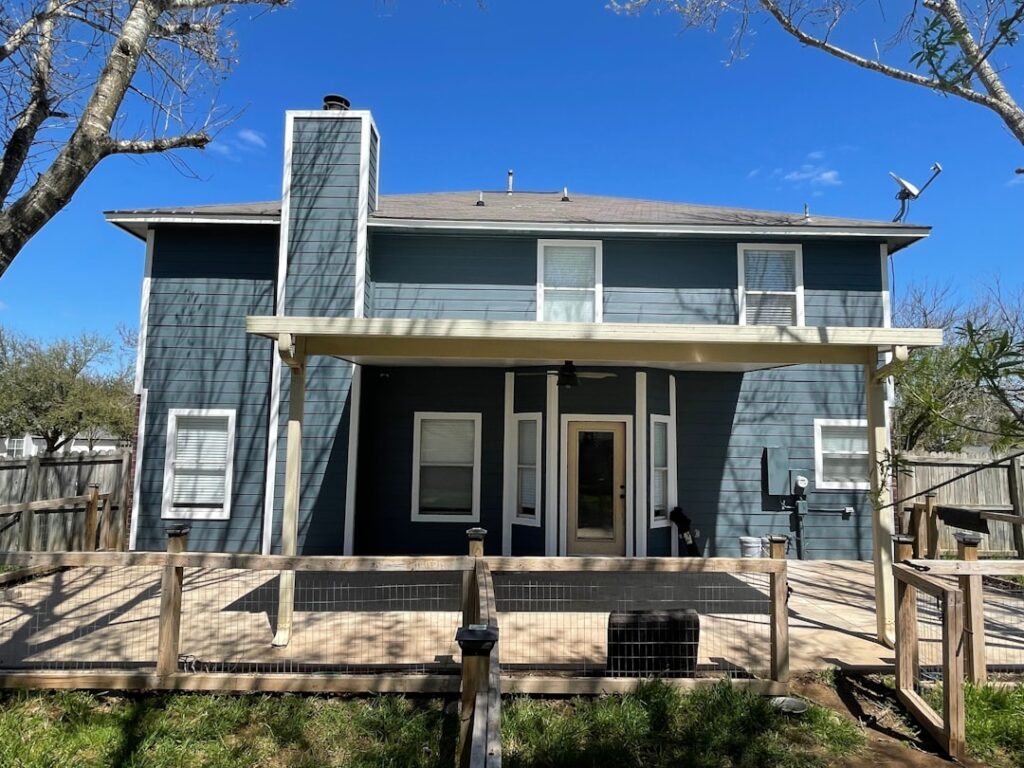
If you have shopped for exterior siding lately, you have almost certainly run into hardi plank siding, the fiber cement lap siding that has become a default choice for durable, low-maintenance homes. The name people spell as “hardi” actually refers to HardiePlank, the flagship lap siding made by James Hardie, a leading manufacturer of fiber cement building products.
This guide explains what hardi plank siding is made of, why so many homeowners choose it over vinyl and wood, what it costs, and how installation and upkeep work. By the end you will understand whether fiber cement lap siding is the right armor for your home’s exterior.
What Is Hardi Plank Siding?
Hardi plank, properly HardiePlank, is a type of fiber cement lap siding. Fiber cement is a composite of cement, sand, and cellulose fibers, formed and cured into rigid boards that install horizontally like traditional clapboard. The blend gives the planks the workability of wood with much of the toughness of masonry.
The appeal comes down to performance. Fiber cement resists rot, will not feed termites, holds up to harsh sun and freeze-thaw cycles, and is noncombustible, an important advantage in fire-prone regions. It can be made to look like wood grain, smooth stucco, or a clean painted board, so it suits everything from a craftsman bungalow to a modern farmhouse.
Why Homeowners Choose Fiber Cement
Compared with the main alternatives, fiber cement lap siding earns its popularity through a balance of looks and longevity.
- Durability: stands up to wind, hail, moisture, and temperature swings far better than wood.
- Fire resistance: the cement-based material is noncombustible, unlike wood and vinyl.
- Pest resistance: termites and other insects cannot eat it.
- Curb appeal: deep, realistic wood-grain textures and crisp shadow lines.
- Long service life: properly installed and maintained, it can last for decades.
- Paint friendly: available pre-finished or primed for the color of your choice.
The main tradeoffs are weight and installation difficulty. Fiber cement is heavy and dense, so it is harder to cut and hang than vinyl, which pushes most homeowners toward professional installation.
How Much Does It Cost?
Fiber cement siding sits in the mid-to-upper range of siding prices, above vinyl but generally below natural wood and far below brick or stone. Installed costs commonly fall somewhere in the range of roughly $6 to $15 or more per square foot, depending on your region, the finish you pick, the height and complexity of your home, and the condition of the existing walls.
For a typical single-story house, total project costs often land in the thousands to low tens of thousands of dollars. Treat all of these as estimates, since labor rates, local demand, and trim details swing the final number significantly. Pre-finished planks with a factory color cost more up front than primed boards you paint on site, but they save you the labor and recoating schedule of field painting.
Several factors push a quote toward the high end. A two- or three-story home raises labor costs because installers need scaffolding and more time, and homes with lots of corners, gables, dormers, and windows require extra cutting and trim work that adds up. Tearing off old siding, repairing damaged sheathing, or adding a new weather-resistive barrier are separate line items many homeowners forget when they budget. When you collect bids, ask each contractor to itemize materials, labor, trim, tear-off, and disposal separately so you can compare them fairly rather than judging on the bottom line alone. A noticeably low quote sometimes signals skipped prep work or thinner trim details that cost you later.
Installation Basics
Hardi plank installs as horizontal lap siding over a properly prepared wall with a weather-resistive barrier and correct flashing. Planks overlap from the bottom up, fastened to studs with corrosion-resistant nails, and butt joints are staggered and detailed to shed water. Proper clearance from the ground, roofs, and decks is important so the boards stay dry.
Two cautions make professional installation the common choice. First, cutting fiber cement creates silica dust that you should never breathe; the manufacturer specifies dust-reducing methods, and installers wear respiratory protection and use special blades or shears. Second, fiber cement must be installed to the maker’s published instructions, including fastener type, spacing, and gaps, or you risk voiding the warranty and inviting moisture problems. Following the manufacturer’s installation guide is not optional with this material.
Color and Style Options
You have two broad paths for color. Factory-finished planks come with a baked-on coating in a curated palette, offering excellent consistency and a long repaint interval. Primed planks arrive ready for you or your painter to apply an exterior-grade paint in any shade you like, giving you total color freedom at the cost of doing the painting.
Beyond color, you can mix profiles and textures. Smooth boards read modern and clean, while wood-grain textures suit traditional and craftsman homes. Many homeowners pair lap siding on the main walls with shingle-style panels in gables or board-and-batten accents to add architectural interest, all in coordinating fiber cement.
Maintenance Over Time
One of the biggest draws of fiber cement is how little it asks of you. There are no annual sealing rituals like some wood siding demands. A typical routine is an occasional gentle wash with a garden hose and soft brush to remove dirt, pollen, and mildew, plus a yearly walk-around to check caulk joints and paint condition.
Painted finishes will eventually fade and need a refresh, often after many years rather than a few, and caulk at seams and trim should be inspected and renewed as it ages. Catching a cracked board or failed caulk joint early keeps water out of the wall assembly and protects the structure behind the siding.
Keep the bottom edges of the siding clear of soil, mulch, and splashing sprinklers, since prolonged ground contact and constant wetting are the conditions most likely to cause trouble over time. Trim back shrubs that press against the wall so air can circulate and the surface dries quickly after rain. These small habits cost nothing and extend the life of the finish considerably.
Is Hardi Plank Right for Your Home?
Fiber cement lap siding makes the strongest case for homeowners who want a durable, fire-resistant, low-maintenance exterior with authentic curb appeal and are willing to pay more than vinyl for it. In wildfire-prone, humid, or storm-exposed climates, its resilience is especially valuable.
If your budget is tight or you need the lightest, simplest material to install yourself, vinyl may fit better. But for a long-term home where you want the look of painted wood without the rot, pests, and constant upkeep, hardi plank siding remains one of the smartest exterior investments you can make. Get several quotes from installers experienced with fiber cement, confirm they follow the manufacturer’s guidelines, and your home will be well protected for decades.