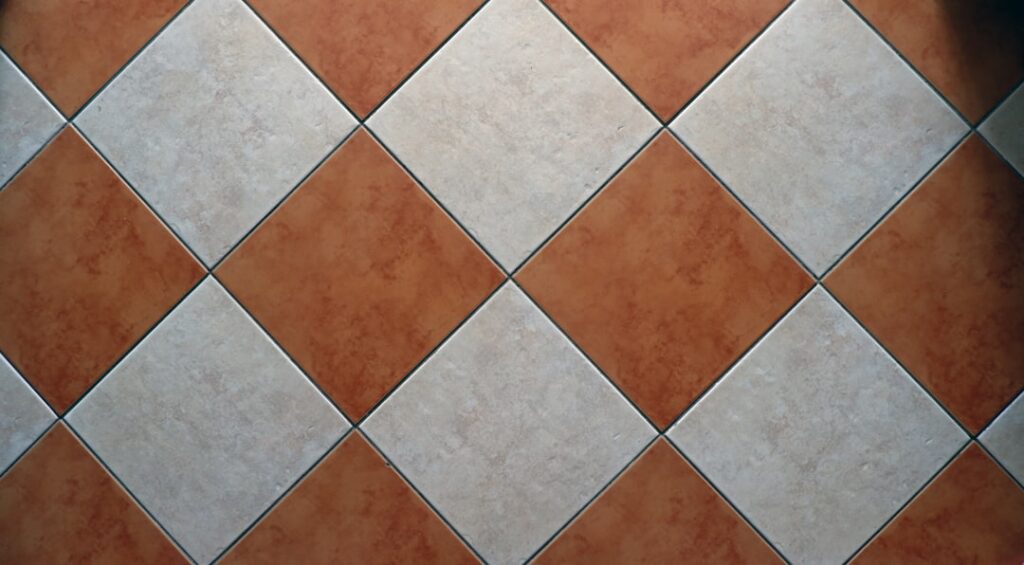
Haystack grout is one of those quiet design choices that does a lot of heavy lifting. Haystack is a warm tan-beige grout color, offered by major brands like Mapei, that lands right in the sweet spot between cream and light brown. It is warm without being yellow, neutral without being boring, and it softens the look of tile in a way that stark white or harsh gray never can. Grout color is one of the most underestimated decisions in any tile project, and a warm neutral like Haystack is a safe, flattering choice for a huge range of tile and design styles.
Why Grout Color Matters So Much
Homeowners obsess over the tile and then pick grout as an afterthought, which is backward. Grout lines form a grid across the entire installation, and their color dramatically changes how the finished surface reads. The same tile can look completely different with white, gray, or tan grout.
The choice comes down to a simple principle: matching grout makes the surface look seamless and calm, while contrasting grout highlights each tile and emphasizes the pattern. A warm neutral like Haystack tends to blend gently, softening the grid rather than drawing the eye to it, which is exactly what most people want in a finished room.
Where Haystack Works Best
Haystack’s warm tan tone pairs naturally with a wide spread of tile colors and materials.
- Beige, tan, and cream tile: Blends in for a soft, seamless look with travertine, sand-toned porcelain, and warm ceramics.
- Wood-look tile: A warm grout reads more natural against wood-look planks than a cold gray ever could.
- Terracotta and warm stone: Complements the earthy tones beautifully.
- White and off-white tile: Adds gentle warmth and hides dirt better than bright white grout.
It suits warm, traditional, farmhouse, Mediterranean, and transitional schemes especially well. In a cool, modern, all-gray space, a cooler grout may coordinate better, so always judge it against your actual tile and palette.
How to Choose a Grout Color
Picking a grout color is easier when you decide the effect you want first.
Match the Tile
A grout close to the tile color, like Haystack with a tan tile, minimizes the grid and makes the surface feel larger and more cohesive. This is the go-to for floors and large installations where you do not want a busy look.
Go One Shade Darker
A grout slightly darker than the tile, a common move with light tile and a warm neutral grout, hides dirt and traffic far better than a perfectly matched light grout, while still reading subtle. This is a practical favorite for floors.
Contrast for Effect
A deliberately contrasting grout outlines every tile and showcases patterns like herringbone or hexagons. Reserve strong contrast for when the pattern is the point.
Testing Before You Commit
Never choose grout from a chip in the store under fluorescent light. Grout color shifts with lighting, and it also dries lighter than it looks when wet. Get a physical grout color sample or a small bag, mix a little, and let it cure next to your actual tile in the room’s real light before deciding. Many brands offer grout color chips, and seeing Haystack against your specific tile prevents the disappointment of a shade that looked perfect on a screen and wrong on the wall.
Sanded vs Unsanded and Grout Types
Color is only half the decision; the grout formula matters too. Choose the type based on your grout line width and the tile.
- Sanded grout: For wider joints, generally 1/8 inch and up. Stronger and resists cracking in larger gaps.
- Unsanded grout: For narrow joints and delicate tile like polished stone and glass that sand could scratch.
- Epoxy and high-performance grout: Stain-resistant and water-resistant, ideal for showers, backsplashes, and floors where you want color consistency and minimal sealing. Costs more and is fussier to apply.
A warm color like Haystack is typically available across these formats, so you can keep the shade while choosing the right performance for the job.
Keeping Grout Clean
A warm neutral like Haystack hides everyday dirt better than bright white, but all cement grout benefits from care. Seal cement grout after it fully cures, and reseal periodically, especially in wet areas and on floors, to guard against staining. Clean with a pH-neutral cleaner and a soft brush; avoid harsh acids and bleach, which can erode and discolor grout over time. For tough buildup, a dedicated grout cleaner and a stiff nylon brush work better than aggressive chemicals. If you want to skip sealing entirely, choosing an epoxy grout in the Haystack shade gives you a stain-resistant surface from day one.
Haystack in Real Rooms
It helps to picture where a warm tan grout like Haystack actually earns its place. On a travertine or sand-toned porcelain floor, it disappears into the tile for a smooth, expansive look that makes a small room feel larger. Behind a kitchen with warm wood-look or terracotta accents, it ties the palette together where a cold gray would clash. In a farmhouse or Mediterranean bathroom, paired with off-white or cream tile, it adds just enough warmth to keep the space from feeling clinical.
It also pairs nicely with handmade and zellige-style tile, where a warm grout flatters the organic color variation. The one place to think twice is a strictly cool, modern, all-gray scheme; there, a greige or gray grout usually coordinates better. As always, the rule is to judge the shade against your specific tile and lighting rather than against a generic swatch, because warm neutrals shift the most under different bulbs.
Final Thoughts
Haystack grout is a versatile warm tan-beige that softens tile, blends gracefully with earthy and neutral palettes, and hides dirt better than bright white. Decide whether you want the grout to disappear or pop, test the actual color against your tile in real light, match the grout type to your joint width and location, and seal it if you go with cement. Get those steps right and this understated neutral will quietly make your tilework look finished and intentional.