
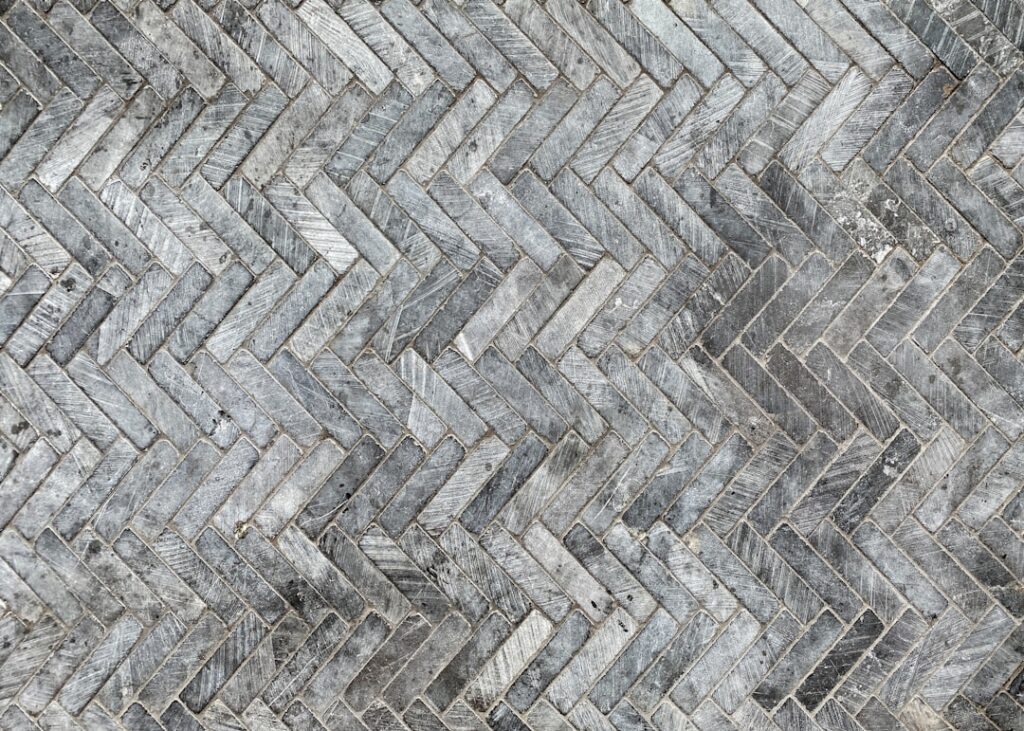
There is a reason the herringbone layout keeps showing up in the most photographed kitchens and entryways on the internet. When you combine that classic V-shaped pattern with wood-look porcelain, you get herringbone wood tile, a floor that delivers the cozy character of real hardwood with the waterproof, scratch-resistant toughness of tile. It is the design equivalent of having your cake and eating it too, and it works in rooms where genuine wood would warp, stain, or scratch within a season.
- What Herringbone Wood Tile Actually Is
- Why Homeowners Choose It
- Popular Layout Variations
- Best Rooms for Herringbone Wood Tile
- Choosing Color and Grout
- What It Costs to Install
- Installation Tips Worth Knowing
- Pros, Cons, and Care
- How It Compares to Other Flooring
- Is Herringbone Wood Tile Right for You?
What Herringbone Wood Tile Actually Is
The product itself is usually a porcelain or ceramic plank printed and textured to mimic oak, walnut, maple, or reclaimed barn wood. Instead of installing those planks in the standard parallel rows you would expect from flooring, the installer sets them at 45 or 90 degrees to each other so the ends meet in a repeating zigzag. That interlocking arrangement is what creates the signature herringbone look, and it adds instant movement and sophistication to a surface that could otherwise feel flat. Because the “wood” is really tile, you get the pattern’s elegance without any of hardwood’s vulnerability to moisture.
Why Homeowners Choose It
The appeal goes well beyond looks. Wood-look tile is fully waterproof when properly grouted, so it belongs in bathrooms, mudrooms, laundry rooms, and even covered patios where solid wood would fail. It shrugs off pet claws, dropped pans, and muddy boots. It never needs refinishing, and a damp mop keeps it clean. Meanwhile, the herringbone pattern brings a tailored, high-end quality that a plain plank layout cannot match. For open floor plans, the directional pattern can visually widen a narrow hallway or draw the eye toward a focal point like a fireplace or window.
Popular Layout Variations
Herringbone is not a single look. Small choices in how the tile is set change the whole feel of the room:
- Classic 45-degree herringbone: The planks run diagonally across the space, which feels dynamic and works well in larger rooms.
- Straight or 90-degree herringbone: The pattern aligns with the walls for a slightly calmer, more grid-friendly look.
- Double herringbone: Two planks are grouped together before each turn, producing a bolder, more graphic effect.
- Chevron: A close cousin where the plank ends are mitered so they form continuous, unbroken zigzag lines rather than the stepped look of true herringbone.
Longer, narrower planks amplify the drama of the pattern, while shorter planks create a tighter, more traditional weave.
Best Rooms for Herringbone Wood Tile
Because it resists water and wear, this flooring is at home almost anywhere. Entryways benefit from its ability to hide grit and greet guests with a designer-grade first impression. Kitchens love its spill-proof surface, and the pattern pairs beautifully with both shaker and slab cabinets. Bathrooms gain warmth without the risk of moisture damage, and the tile can even climb a shower wall for a continuous look. In living rooms and open plans, herringbone adds a layer of interest that keeps a large expanse of flooring from feeling monotonous. It also performs well with radiant floor heating, which takes the chill off tile in colder climates.
Choosing Color and Grout
Wood-look tile comes in the full spectrum of wood tones, from bleached Scandinavian white and weathered gray to rich espresso and honey oak. Lighter tones open up small rooms and lean modern or coastal, while darker tones feel dramatic and formal. The grout decision matters just as much as the tile color. A grout that closely matches the tile lets the wood grain and pattern read as one continuous surface, which most designers prefer. A contrasting grout, by contrast, emphasizes every plank and highlights the herringbone geometry, so use it only if you want the pattern to be the star. Thin grout lines and a color-matched, stain-resistant grout give the most seamless, wood-like result.
What It Costs to Install
Herringbone wood tile carries two price components: the material and the labor. The tile itself typically runs $3 to $12 per square foot, with premium and larger-format planks reaching $15 or more. Installation is where the pattern shows its cost. Because a herringbone layout requires precise angles, extra cuts, and more time than a simple straight lay, expect to pay a premium over standard tile installation. Labor commonly falls between $9 and $20 per square foot for herringbone, compared with $6 to $12 for a basic grid. All told, a professionally installed herringbone wood tile floor often lands somewhere around $15 to $30 per square foot installed. Budget an extra 15 to 20 percent on material to account for the many angled cuts and offcuts the pattern generates.
Installation Tips Worth Knowing
Even if a professional handles the work, understanding the process helps you get a better outcome:
- Start from the center: Installers usually snap chalk lines and build the pattern outward so the herringbone stays symmetrical and cuts land evenly at the edges.
- Level the subfloor: Herringbone shows lippage, where one tile edge sits higher than its neighbor, more than any other layout. A flat, well-prepped subfloor is non-negotiable.
- Use tile leveling clips: These keep the many small joints flush across the surface.
- Mind the direction: Decide early whether the point of the V should aim toward the main entrance or a focal point, since the direction guides the eye.
- Dry-lay first: Laying a section without adhesive lets you confirm the pattern and color mix before committing.
Pros, Cons, and Care
The strengths are hard to argue with: waterproof performance, extreme durability, low maintenance, and a pattern that looks expensive. The main drawbacks are the higher installation cost, the harder and colder feel underfoot compared with real wood, and the need for a skilled installer to nail the angles. Day-to-day care is simple. Sweep or vacuum to keep grit from dulling the surface, damp mop with a pH-neutral cleaner, and avoid harsh acids that can erode grout over time. Reseal the grout lines every couple of years in wet areas to keep them looking fresh.
How It Compares to Other Flooring
It helps to weigh herringbone wood tile against the alternatives you are probably also considering. Compared with genuine hardwood laid in a herringbone pattern, the tile version wins decisively on moisture, scratches, and refinishing, since real wood in that layout is beautiful but vulnerable to spills, pets, and humidity, and refinishing an intricate parquet is costly. Solid wood does feel warmer and softer underfoot and can be sanded back to new, so it remains the choice for formal living and dining rooms far from water. Tile trades that warmth for near-indestructibility.
Against luxury vinyl plank, another popular wood-look option, tile is harder, more heat resistant, and completely waterproof rather than merely water resistant, and it will not dent under heavy furniture. Vinyl, however, is softer, quieter, warmer, and far easier for a homeowner to install without specialized tools, and it usually costs less to put down. Laminate is the budget wood-look contender, but it swells if water reaches its core and cannot match tile in a bathroom or mudroom. Against plain straight-lay wood-look tile, the herringbone version costs more to install because of the angled cuts, yet it delivers a tailored, high-design result that a simple parallel layout cannot. The right pick depends on the room: for kitchens, baths, entries, and any space that meets water, herringbone wood tile is usually the strongest all-around performer, while drier, low-traffic rooms give you more freedom to choose based on feel and budget rather than pure durability.
Is Herringbone Wood Tile Right for You?
If you crave the warmth and character of hardwood but need something that can survive moisture, pets, and heavy traffic, herringbone wood tile is one of the smartest flooring choices available today. It rewards you with a floor that looks tailored and timeless, resists nearly everything daily life throws at it, and asks for very little maintenance in return. Invest in a level subfloor and a skilled installer, choose a grout that flatters your chosen wood tone, and you will have a herringbone wood tile floor that stays beautiful and functional for decades.
Prefer to explore on your own?
See how new flooring looks in your actual room in seconds — free, no signup.
Try the free Floor Studio →

