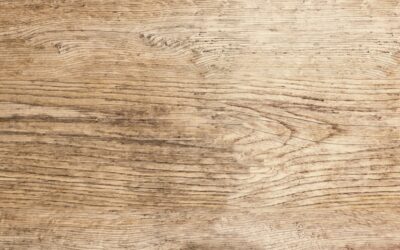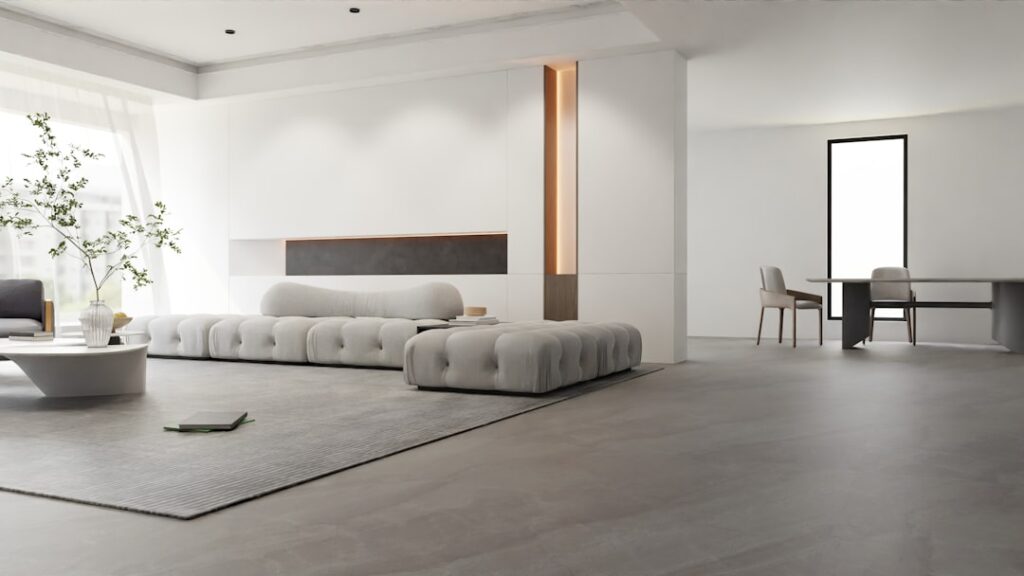
High end LVP flooring is what separates a floor that fools your guests into thinking it is real oak from one that screams budget vinyl the moment you look down. The luxury vinyl plank category spans a huge quality range, from $1.50 bargain planks that dent under a dining chair to $6-plus premium products with thick wear layers, embossed textures registered to the grain, and attached acoustic pads. Knowing what actually makes LVP high end, rather than just expensive, lets you spend where it matters and skip the marketing markup.
What Makes LVP “High End”
A handful of measurable specs, not brand names alone, define premium luxury vinyl plank.
- Wear layer of 20 mil or more: This clear top coat is the single biggest durability factor. Budget LVP uses 6 to 12 mil; high end products use 20, 28, or even 40 mil, backed by 25-year to lifetime residential warranties.
- Overall thickness of 6 mm or greater: Thicker planks feel solid underfoot, span minor subfloor imperfections, and click together more securely.
- Rigid SPC or WPC core: Stone plastic composite (SPC) offers dent resistance and dimensional stability; wood plastic composite (WPC) feels warmer and softer. Both outperform flexible glue-down vinyl.
- Registered embossing (EIR): The surface texture aligns with the printed grain, so you feel the knots and grain you see. This is the tell of a truly premium plank.
- Enhanced beveled edges and wider, longer planks: 7- to 9-inch widths and 48- to 60-inch lengths mimic real hardwood proportions.
- Attached underlayment: A pre-bonded cork or foam pad improves sound and comfort and saves an install step.
Pros of High End LVP
Premium luxury vinyl plank delivers benefits that justify its price in the right rooms.
- Convincing realism: High-definition printing plus registered embossing produces wood and stone looks that pass a close inspection.
- Waterproof: A rigid core makes it fully waterproof, suitable for kitchens, baths, basements, and mudrooms where real wood cannot go.
- Superior durability: A thick wear layer resists scratches, dents, and fading far better than budget vinyl or laminate, holding up to kids, pets, and rolling chairs.
- Comfort and quiet: Thicker planks with attached pads are warmer and quieter than tile or thin vinyl.
- DIY-friendly: The click-lock floating installation is within reach of a confident homeowner.
- Low maintenance: No refinishing, no waxing, just sweep and damp mop.
Cons and Trade-Offs
Even premium LVP has limits worth weighing.
- Higher cost: At $3.50 to $7 per square foot for material, high end LVP approaches the price of some engineered hardwood.
- Not real wood: It cannot be sanded and refinished, and it may not add the same resale value as genuine hardwood in higher-end homes.
- Can dent under extreme point loads: Even SPC cores can mark under a piano leg or dropped cast-iron pan, though far less than cheap vinyl.
- UV fading in sunrooms: Direct, intense sunlight can fade some products over years; check the UV warranty.
- Petroleum-based: It is a plastic product, which matters to buyers prioritizing natural materials.
Top High End LVP Brands
Several manufacturers consistently produce premium-tier luxury vinyl plank.
- COREtec (by Shaw): The brand that popularized WPC, with thick cores, attached cork backing, and realistic visuals.
- Karndean Korlok and Van Gogh: Design-driven planks with exceptional realism, often glue-down for a solid feel.
- Mannington Adura Max and Adura Rigid: Strong warranties and refined textures.
- Provenza and Republic Floors: Wide, long planks with dramatic wire-brushed and reactive-stain looks.
- Mohawk SolidTech Plus: Durable SPC construction with thick wear layers at a fair price.
Rather than fixating on brand, compare the wear layer, core type, and warranty across products, since a mid-brand 22 mil plank often outperforms a famous brand’s thinner line.
What High End LVP Costs
Budget realistically for a premium job.
- Material: $3.50 to $7 per sq ft for high end planks
- Professional installation: $2 to $4 per sq ft
- Total installed: roughly $6 to $11 per sq ft
For a 300-square-foot living room, that lands around $1,800 to $3,300 installed. DIY installation removes the labor line and can cut the total nearly in half.
How to Shop Smart
Bring home large samples and put them through real tests before committing.
- Press a fingernail or chair leg into the sample to gauge dent resistance.
- Run your hand across the surface to confirm the texture aligns with the grain (registered embossing).
- View the sample in your own lighting, since showroom lights flatter every floor.
- Check the wear layer spec on the box, not just the total thickness, since a thick plank with a thin wear layer still scratches.
- Confirm the warranty covers both wear and, ideally, light commercial use, a sign of confidence in the product.
Installation Details That Protect Your Investment
Even the best plank fails if it is installed carelessly, so a few details matter enormously. Rigid-core LVP floats over the subfloor, meaning the planks lock to each other rather than fastening down, and that requires a flat base, generally within 3/16 inch over 10 feet. High spots must be sanded and low spots filled, or the floor will flex and the joints can separate over time. Leave a 1/4- to 3/8-inch expansion gap around every wall and fixed object, because vinyl expands and contracts with temperature swings, and skipping this gap causes buckling in sunny rooms.
Underlayment is another consideration. Many premium planks come with attached pad, and stacking a second pad under them can make the floor too soft and stress the locking joints, so only add underlayment when the manufacturer allows it. Over concrete, a vapor barrier is often required to block slab moisture. Acclimate the boxes in the room for 48 hours before installing so the planks are at the home’s temperature, and stagger end joints by at least 6 to 8 inches for both strength and a natural look.
Where High End LVP Makes the Most Sense
Premium luxury vinyl plank earns its cost most clearly in rooms where real wood struggles. Basements, bathrooms, kitchens, laundry rooms, and mudrooms all expose flooring to moisture that would warp or stain hardwood, and here waterproof LVP is not just a nice option but arguably the smartest one. It also excels in busy family spaces and homes with large dogs, where a thick wear layer shrugs off scratches that would mar wood or laminate. In a formal living room of a high-end home, genuine hardwood may still add more resale value, so weigh the room’s use and your market before choosing.
Is High End LVP Worth It
For most homeowners who want a waterproof, realistic, low-maintenance floor that survives daily life, high end LVP flooring is absolutely worth the upgrade over budget vinyl. Spend on the wear layer and core, choose registered embossing for realism, and you get a floor that looks like hardwood, handles water and heavy traffic, and lasts 25 years or more. Save the money you would have spent chasing a premium brand name and put it toward more mils of wear layer, which is what your floor’s longevity actually depends on.
Prefer to explore on your own?
See how new flooring looks in your actual room in seconds — free, no signup.
Try the free Floor Studio →