There is a reason restaurants, gyms, and detailers rely on steam: heat alone, applied hot enough, dissolves grease, lifts grime, and sanitizes without a drop of chemical cleaner. A high heat steam cleaner takes this further than a basic floor steamer, producing dry vapor at temperatures hot enough to cut through baked-on kitchen grease, sterilize bathrooms, and refresh upholstery. Knowing how the heat works, and which surfaces tolerate it, lets you clean more deeply and safely than you can with sprays and scrubbing.
How High Heat Steam Cleaning Works
A steam cleaner heats water in a pressurized boiler to roughly 245 to 310°F, then releases it as low-moisture, high-temperature vapor through a nozzle or attachment. The heat softens and emulsifies grease, dirt, and soap scum, while the moisture loosens debris so you can wipe it away. Because the steam is “dry” (very low water content), surfaces dry quickly and there is no chemical residue. The high temperature also kills many common bacteria, dust mites, and mold spores on contact, which is why steam is valued for sanitizing.
What a High Heat Steam Cleaner Can Tackle
These machines shine on tough, greasy, and germy jobs:
- Kitchen grease on stovetops, range hoods, ovens, and backsplashes.
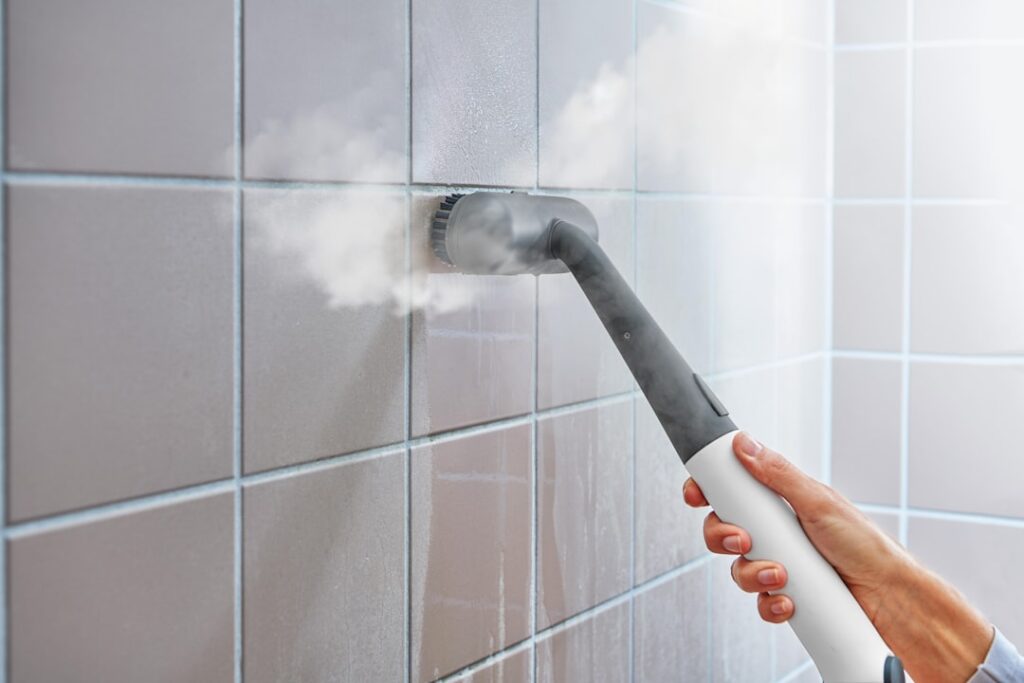
- Bathroom grime, including grout, glass shower doors, and fixtures.
- Tile and sealed hard floors for a deep, sanitizing clean.
- Upholstery, mattresses, and curtains to refresh and reduce dust mites.
- Sealed grout lines, which steam cleans far better than a sponge.
- Car interiors and detailing, a popular professional use.
Which Surfaces Are Steam-Safe
High heat is powerful, which means it can also damage the wrong materials. Generally safe surfaces include sealed tile and grout, sealed stone (used carefully), glass, stainless steel, ceramic fixtures, and most synthetic upholstery rated for steam. Always test an inconspicuous spot first.
Surfaces to Avoid
Keep a high heat steam cleaner away from materials that heat and moisture can ruin:
- Laminate flooring, where moisture swells the fiberboard core and voids most warranties.
- Unsealed or waxed hardwood, which warps, cups, and loses its finish.
- Unsealed natural stone and porous masonry, which can absorb moisture and etch.
- Heat-sensitive vinyl, LVP, and adhesives, which can soften or loosen.
- Delicate fabrics like silk and velvet, and anything water-stains easily.
- Painted surfaces and wallpaper, which steam can lift or bubble.
- Cold glass in freezing weather, where sudden heat risks cracking.
When in doubt, check the manufacturer’s guidance for your flooring or furniture before steaming.
Types of Steam Cleaners
Handheld Steam Cleaners
Compact and affordable ($30 to $80), good for spot cleaning grout, fixtures, and small messes, though they hold less water and run shorter.
Cylinder and Canister Steam Cleaners
The versatile workhorses ($120 to $400), with a larger boiler, higher temperatures, and an array of attachments for floors, upholstery, glass, and detail work. Best for whole-home use.
Steam Mops
Dedicated to sealed hard floors, lighter and simpler but lower temperature than a true high-heat canister system.
Commercial Steam Cleaners
Heavy-duty units that reach the highest temperatures and run continuously, used by professionals and serious enthusiasts.
Features Worth Paying For
- High operating temperature and pressure for real cleaning power.
- Adjustable steam output to dial down for delicate jobs.
- A large boiler or continuous-fill tank for longer sessions.
- A range of attachments, including detail nozzles, brushes, and an upholstery tool.
- Fast heat-up and a safety cap that prevents opening under pressure.
How to Use One Safely
Fill the boiler with distilled water if you have hard water, to avoid scale buildup. Let it reach full temperature before starting, work in sections, and keep the nozzle moving rather than blasting one spot. Use distilled water and empty the tank after each use. Never aim steam at electrical outlets, electronics, or people and pets, and always let the unit depressurize and cool before opening the cap or refilling. Wear gloves when handling hot attachments.
Steam Cleaning vs. Chemical Cleaning
The big appeal of high-heat steam is replacing bottled cleaners with plain water and heat. For households with kids, pets, allergies, or chemical sensitivities, that is a real benefit, since there is no residue left behind on counters, floors, or upholstery, and no fumes to ventilate. Steam also reaches into grout, crevices, and fabric fibers that wiping with a spray cannot, and the heat sanitizes many common germs on contact.
That said, steam is not a universal replacement. It does not lift away loose debris, so you still need to vacuum or wipe first, and very greasy or heavily soiled areas may need a quick pre-treatment. For disinfecting to a medical standard or removing certain stains, a targeted cleaner can still have a role. Many people use steam as their primary tool and keep a few specialty products on hand for specific jobs.
Maintenance and Longevity
A steam cleaner lasts longer with a little routine care. The biggest enemy is mineral scale from hard water, which clogs the boiler and nozzles over time. Using distilled or demineralized water prevents most of this, and periodic descaling clears any buildup that does form. Empty the boiler after each session so water does not sit and corrode or breed odor, and let the unit dry before storage.
Wash and rotate the microfiber pads and cloths so you are not pushing dirt around, and inspect the seals and hoses occasionally for wear. Store the machine with the cap loosened once cool to relieve any residual pressure. Treated this way, a quality canister steam cleaner can serve a household for many years.
The Bottom Line
A high heat steam cleaner is a powerful, chemical-free way to degrease, sanitize, and deep-clean the right surfaces, from kitchen grease to bathroom grout to upholstery. The catch is surface compatibility: it excels on sealed tile, glass, and stainless steel but can damage laminate, unsealed wood, heat-sensitive vinyl, and delicate fabrics. Choose a canister model with adjustable steam and good attachments, test before you commit to a surface, and use distilled water and basic safety habits to get years of deep cleaning without the chemicals.