Walk into a carpet showroom and you will feel the difference before anyone explains it: some samples are tall, soft, and sink under your hand, while others are dense, tight, and firm. That is the heart of the high pile vs low pile carpet decision, and it affects far more than how plush a room feels. Pile height changes how the carpet wears, how easily it cleans, whether it works on stairs, and how much it costs to maintain. This head-to-head guide breaks down where each one shines so you can match the carpet to the room instead of guessing at a store.
What Pile Height Actually Means
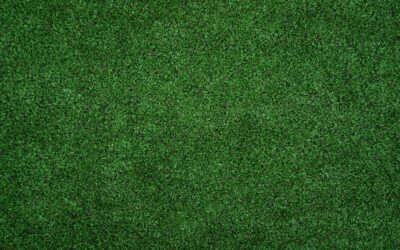
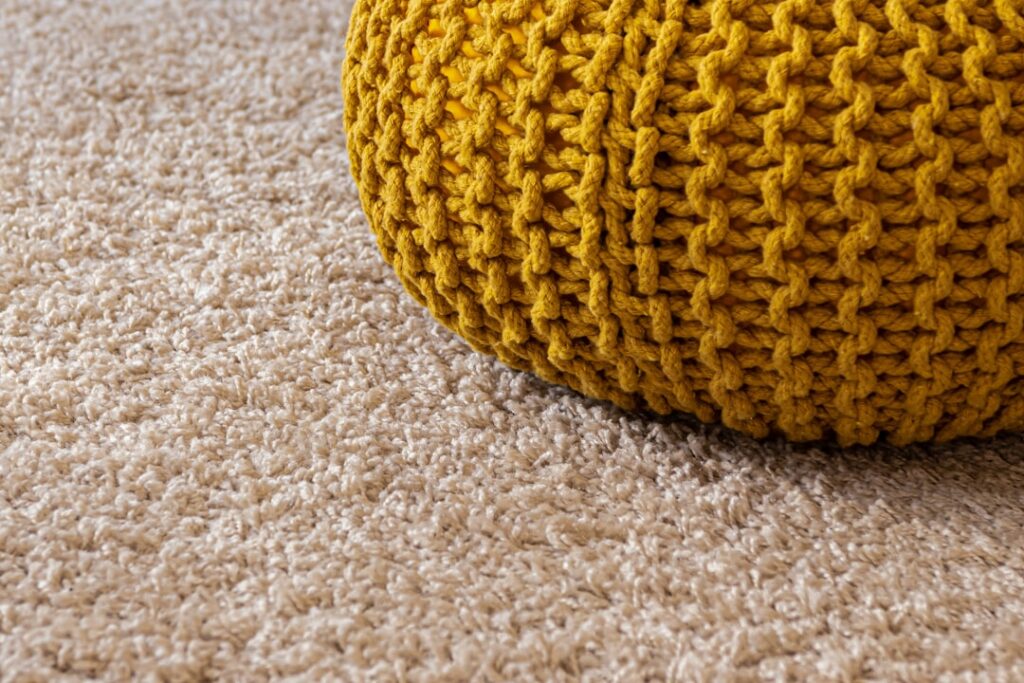
Pile refers to the visible fibers standing up from the carpet backing, and pile height is simply how tall those fibers are. Low pile carpet has short, tightly packed loops or fibers, generally under 1/4 inch tall, which makes for a dense, firm surface. High pile carpet has longer fibers, often 1/2 inch or more, creating that soft, luxurious, sink-in feel. Medium pile sits between the two. A related term, pile density, describes how tightly the fibers are packed, and density matters as much as height for durability. A dense low pile is the toughest surface you can buy in carpet.
Durability and Traffic
This is where the two diverge most sharply. Low pile carpet handles heavy traffic far better. Its short, dense fibers do not crush and mat the way tall fibers do, so it holds its look in hallways, family rooms, and anywhere chairs roll or feet pound daily. High pile carpet feels wonderful but shows traffic lanes and crushing over time, especially the plush and shag styles, because the long fibers bend over and lose their spring in busy paths. If you are carpeting a high-use area and want it to still look good in ten years, low pile is the safer bet.
Comfort and Feel Underfoot
High pile wins on pure comfort, and it is not close. Those long, soft fibers cushion your feet, feel warm and cozy, and invite you to sit right down on the floor, which is exactly why bedrooms, nurseries, and cozy dens are the classic homes for a plush or frieze carpet. Low pile feels firmer and more businesslike underfoot. It is comfortable enough, but it does not deliver that luxurious sink-in sensation. Many homeowners split the difference by their needs: high pile in the spaces where comfort rules and low pile everywhere the floor works hard.
Cleaning and Maintenance
Cleaning is a decisive factor that people underestimate at the showroom. Low pile carpet is dramatically easier to keep clean because dirt and debris sit near the surface where a vacuum can pull it right out, and there are no deep fibers for crumbs, pet hair, and dust to bury themselves in. High pile carpet traps dirt, allergens, and pet hair deep in its long fibers, requires a vacuum with the right settings, and takes longer to dry after any deep cleaning. For allergy sufferers and pet owners, this difference alone often decides the matter.
- Low pile: Quick to vacuum, hides fewer allergens, dries fast, and stands up to a standard vacuum on any setting.
- High pile: Needs a vacuum with adjustable height or a raised setting, holds more dust and dander, and takes longer to dry after steam cleaning.
Stairs, Chairs, and Special Situations
Some places all but demand low pile. Stairs wear hardest at the nose of each tread, and a dense low pile grips and holds up where a shaggy high pile would crush and look tired within a year or two. Rolling office chairs glide over low pile but snag and drag on high pile. If you have a home office, a playroom with wheeled toys, or a staircase, low pile is almost always the right call. High pile, by contrast, belongs in the calm, low-traffic rooms where its softness is the whole point and nothing rolls across it.
Cost Comparison
Price overlaps more than you might expect, because both categories span budget to premium. Generally, basic low pile such as a level-loop builder carpet is among the most affordable flooring you can buy. High pile plush and frieze styles in quality fibers often cost more per square foot, and they can carry a higher long-term cost too, since they may need replacing sooner in busy areas and cost more to clean. Factor in lifespan, not just the sticker price: a durable low pile that lasts fifteen years in a hallway can be cheaper over time than a plush carpet that mats out and gets replaced in seven.
Fiber and Pad Matter Too
Pile height is only part of the story; the fiber and the cushion underneath shape how each carpet performs. Nylon is the most resilient fiber and springs back well, which makes it a strong partner for high pile in a bedroom where you still want some longevity. Polyester and its softer PET cousins feel wonderfully plush in high pile and resist stains, but they crush faster, so they suit lower-traffic rooms. Olefin, common in low-pile berbers, resists moisture and fading and is a practical choice for basements and playrooms. When you shop, ask about the fiber and the face weight, not just how the sample feels in your hand, because those numbers predict how the carpet will look after a few years of real use.
The pad beneath is the quiet workhorse of any carpet. A quality pad, typically 7/16 to 1/2 inch thick at a 6- to 8-pound density, extends the life of both pile types by absorbing foot impact that would otherwise crush the fibers. Go slightly firmer and thinner under low pile in high-traffic areas so the carpet does not flex too much, and a bit plusher under high pile in bedrooms for added comfort. Skimping on the pad to save a few dollars is a false economy, because a thin pad lets even a good carpet wear out prematurely.
Which Should You Choose?
The honest answer in the high pile vs low pile carpet debate is that neither wins outright; the right choice depends entirely on the room. Choose low pile for stairs, hallways, family rooms, home offices, and any high-traffic or high-mess space where durability and easy cleaning matter most. Choose high pile for primary bedrooms, guest rooms, nurseries, and formal sitting areas where softness and comfort are the priority and traffic is light. Many homes use both, matching each carpet to how the room actually gets used. Whatever you pick, pair it with a quality carpet pad, because the cushion underneath extends the life of both pile types and improves how they feel underfoot.