Hilti 200 epoxy refers to Hilti’s HIT-RE 500 family of injectable epoxy anchoring adhesives, the kind of high-performance product professionals reach for when they need to fasten threaded rod or rebar into concrete with serious holding power. Hilti is a well-established Liechtenstein-based maker of construction tools and fastening systems, and its injectable epoxies are widely specified on commercial and structural projects.
This is not a hardware-store glue. It is an engineered structural adhesive, and understanding what it does, and what it demands, matters before you consider it for any project around the house.
What an Anchoring Epoxy Actually Is
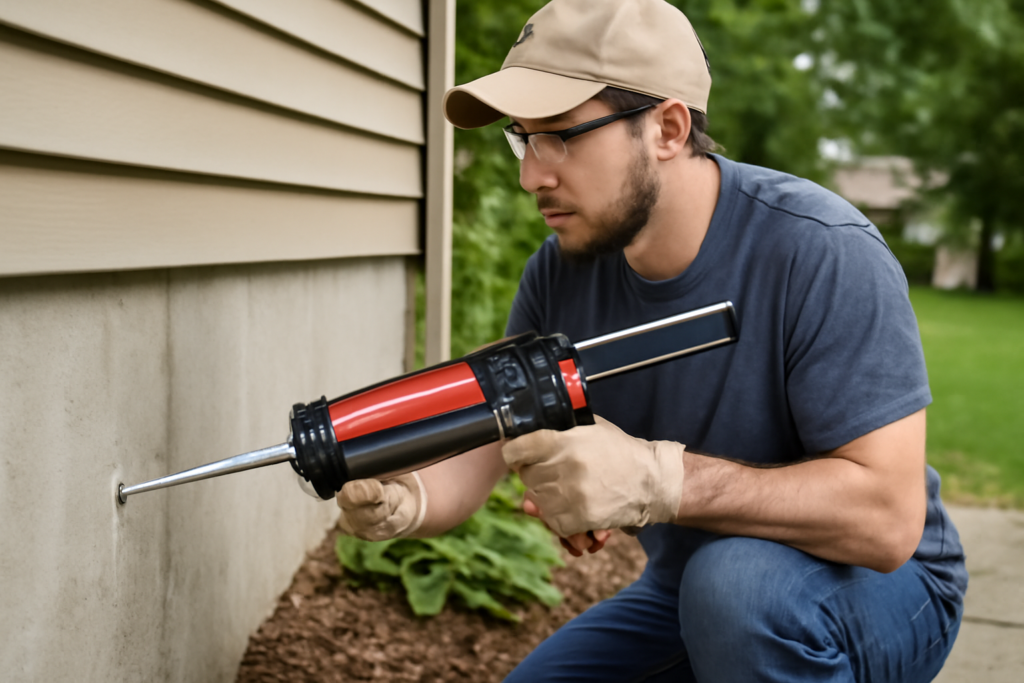
Injectable anchoring epoxy is a two-part chemical adhesive dispensed from a dual-cartridge through a static mixing nozzle. As the resin and hardener combine in the nozzle, they begin to cure. You inject the mixed epoxy into a cleaned, drilled hole, insert your anchor, and the adhesive bonds it to the surrounding concrete as it hardens.
The bond strength of a properly installed adhesive anchor can rival or exceed cast-in-place anchors, which is why structural engineers rely on these systems for connections that carry real loads. The Hilti HIT-RE epoxy line is engineered for exactly this kind of demanding, high-load anchoring.
What It Is Used For
Anchoring epoxy shines where mechanical anchors fall short. Typical applications include:
- Setting threaded rod for structural steel connections and base plates.
- Doweling rebar into existing concrete to tie new construction into old.
- Anchoring heavy equipment, handrails, and safety-critical fixtures.
- Fastening into cracked or solid concrete where high, sustained loads apply.
For a homeowner, that might translate to anchoring a steel post, a structural ledger, or a handrail into a concrete slab or foundation, the situations where failure is not an option.
Why Professionals Trust It
Epoxy anchoring systems like Hilti’s are tested and code-listed for specific load values, which engineers use to design connections with known safety factors. The adhesive fills the annular gap completely, distributing load along the full embedment depth rather than at a single expansion point.
It also performs in conditions that defeat lesser products: deep embedments, oversized holes, close edge distances, and cracked concrete when rated for it. That reliability, backed by extensive technical documentation, is why it appears so often on engineered drawings.
The Critical Role of Hole Preparation
No part of an epoxy anchor matters more than hole cleaning. Dust left in the drilled hole acts like a release agent and can cut bond strength dramatically. The standard process is to drill to the specified diameter and depth, then clean the hole thoroughly, typically a sequence of blowing out dust, brushing with the correct wire brush, and blowing again, repeated as the manufacturer directs.
Skipping or shortcutting this step is the leading cause of anchor failure. The installation instructions and Hilti technical data are explicit about the brushing and blowing sequence for a reason, and they must be followed exactly.
Cure Time and Working Conditions
Epoxy cure depends heavily on temperature. In warm conditions it may reach working strength in a few hours; in cold concrete, full cure can take far longer, sometimes a day or more. The adhesive also has a short working time once dispensed, after which it can no longer be injected or adjusted.
Exact gel times, cure schedules, embedment depths, and load values vary by product and conditions, so always consult the current Hilti technical data sheet for the specific product rather than relying on rules of thumb. Those numbers are not interchangeable between formulas.
Safety and When to Call a Professional
This is a structural product, and load-bearing anchors are engineering decisions, not guesses. For anything that supports weight, restrains a structure, or protects people, such as handrails, posts, beams, or equipment, consult a licensed structural engineer to size the anchor, embedment, and epoxy for the load. Use only anchors and accessories the manufacturer specifies for the system.
From a personal-safety standpoint, epoxy resins can irritate skin, eyes, and lungs. Wear nitrile gloves and eye protection, work with ventilation, and follow the safety data sheet. If you are unsure about hole cleaning, embedment, or load capacity, hire a qualified installer.
Factors That Affect Anchor Performance
Several variables determine whether an adhesive anchor reaches its rated capacity, and an engineer accounts for all of them. Embedment depth, the distance the anchor sits in the concrete, has a large effect; deeper is generally stronger, up to the values the manufacturer publishes. Edge distance and spacing matter too, since anchors set too close to a concrete edge or to each other can split the substrate and reduce capacity.
Concrete condition is another major factor. Cracked concrete behaves differently from solid concrete, and only products specifically tested and rated for cracked concrete should be used there. Temperature affects both cure and long-term performance, and sustained load combined with elevated temperature can reduce capacity, which is why the technical data accounts for service conditions. These are not details to estimate by feel.
Storage, Shelf Life, and Handling
Like all chemical adhesives, anchoring epoxy has a shelf life and storage requirements that affect its reliability. Cartridges should be stored within the temperature range the manufacturer specifies and used before their printed expiration date, since aged or improperly stored product may not cure correctly. Cold cartridges dispense with difficulty and cure slowly, so many installers condition the epoxy to room temperature before use.
Always use a fresh mixing nozzle and discard the first portion of dispensed material until the resin and hardener show a uniform color, confirming they are properly blended. Partially mixed epoxy at the start of a dispense is one more avoidable cause of weak anchors. Follow the product’s handling instructions to the letter, because consistent, code-rated performance depends on it.
What It Costs
As an estimate, a single dual-cartridge of professional anchoring epoxy commonly runs in the range of roughly $30 to $90 or more depending on size and formula, and the dispensing gun and mixing nozzles are additional. Prices vary by region and retailer, so treat any figure as a ballpark and confirm current pricing through Hilti or an authorized distributor.
For occasional homeowners, the cost of the gun and cartridge often makes hiring a pro more sensible for a single anchor. Used correctly, on a properly engineered job, Hilti 200 epoxy delivers the kind of dependable, code-rated holding power that structural work demands.