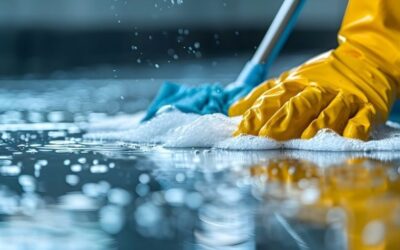
You do not need a shelf of specialty products to keep hardwood looking its best. A homemade wood floor cleaner that shines can be mixed from a few pantry ingredients for pennies, and when done correctly it cleans, dries streak-free, and brings back the natural luster of a sealed floor. The trick is balance: enough cleaning power to cut dirt and grime, but gentle and low-moisture enough that you never dull the finish or drive water into the seams. Here are the recipes that actually work, plus the ones to skip.
- First, Know Your Finish
- The Best All-Purpose Recipe
- The Shine-Boosting Recipe
- The No-Vinegar Shine Recipe
- The Tea Trick for Extra Glow
- How to Apply for a Streak-Free Shine
- Ingredients to Avoid
- How Often and Final Tips
- Tools That Make DIY Cleaning Work
- Cost Comparison: DIY vs. Store-Bought
- Frequently Asked Questions
First, Know Your Finish
Before mixing anything, understand that these recipes are for sealed hardwood, the kind coated in polyurethane or a similar surface finish, which covers most floors installed in the last few decades. If water beads on your floor, it is sealed and safe for these methods. If a drop of water soaks in and darkens the wood, you likely have a bare, waxed, or oil-finished floor that needs a specialized product instead. When in doubt, test any homemade cleaner in a closet or under a rug first.
The Best All-Purpose Recipe
This is the workhorse: a gentle soap-and-water blend that cleans without residue.
- 1 gallon of warm water
- A few drops (about 1/4 teaspoon) of mild pH-neutral dish soap, such as unscented Castile soap or a gentle dish liquid
- Optional: 10 to 15 drops of essential oil for scent
Mix in a bucket, dampen a microfiber mop, wring it nearly dry, and clean with the grain. The small amount of soap lifts dirt, and because there is so little of it, no sticky film is left behind. This is the safest everyday option and it will not harm any sealed floor.
The Shine-Boosting Recipe
To get that low-gloss glow, a touch of oil helps light reflect evenly off the finish, but the amount must be tiny or the floor turns slippery and streaky. Use this recipe occasionally, not for every cleaning.
- 1 gallon warm water
- 3/4 cup white vinegar (a mild degreaser that helps break down grime)
- 1 tablespoon of a natural oil such as olive or jojoba oil
- A few drops of dish soap to help the oil emulsify
Shake or stir well before each dip so the oil stays mixed. Apply with a barely-damp microfiber mop and buff with a dry cloth afterward for the best shine. Because this contains vinegar, keep it dilute as written and do not use it daily; over-frequent acidic cleaning can slowly dull polyurethane. Used occasionally and buffed dry, it revives a tired-looking floor beautifully.
The No-Vinegar Shine Recipe
If you would rather avoid vinegar entirely, this alcohol-based version dries fast and leaves a clean, streak-free finish.
- 1 gallon warm water
- 1/4 cup rubbing alcohol (helps it flash off quickly)
- 1/4 cup mild dish soap-free surfactant or a few drops of Castile soap
- Optional: a few drops of essential oil for scent
The alcohol speeds drying so water never lingers on the boards, which is exactly what hardwood wants. This is a great choice in humid climates or on floors where you worry about moisture.
The Tea Trick for Extra Glow
An old-school method that genuinely works on sealed wood: brew two or three bags of plain black tea in a quart of hot water, let it cool, and use the cooled tea on a well-wrung mop. The tannins in black tea can enhance the warmth and shine of wood tones. Buff dry afterward. It sounds unusual, but it leaves a subtle luster and a clean surface.
How to Apply for a Streak-Free Shine
- Remove grit first. Sweep, dust-mop, or vacuum before any wet cleaning. Grit under a mop scratches the very finish you are trying to make shine.
- Wring the mop nearly dry. The mop should be damp, never dripping. Excess water is the enemy of wood.
- Work in the direction of the boards. Mopping with the grain hides streaks and follows the natural lines.
- Clean in small sections. So each area dries quickly and nothing sits wet.
- Buff dry. For maximum shine, follow with a dry microfiber cloth or a clean flat mop to pick up any residue and polish the surface.
Ingredients to Avoid
Not every DIY tip online is safe for hardwood. Steer clear of these:
- Undiluted vinegar or lemon juice. Straight acid etches and dulls polyurethane. Always dilute heavily and use sparingly.
- Too much oil. More than a tablespoon per gallon leaves a slick, streaky, dirt-grabbing film.
- Ammonia and bleach. Harsh chemicals that cloud the finish.
- Wax on polyurethane floors. It builds up and interferes with future recoating.
- Flooding water or a steam mop. Both drive moisture into seams and cause cupping.
How Often and Final Tips
Use the plain soap-and-water recipe for regular weekly cleaning and save the shine-boosting oil or vinegar recipes for a monthly refresh when the floor looks flat. Dust-mop between wet cleanings to keep grit down, place mats at doorways, and add felt pads under furniture. If a floor stays dull no matter how you clean it, the finish itself may be worn, and no cleaner will restore shine that the topcoat has lost; at that point a professional recoat is the real fix.
Tools That Make DIY Cleaning Work
The recipe is only half the equation; the gear you use determines whether you get streaks or shine. A flat microfiber mop with a washable pad is the single best tool for hardwood, because microfiber lifts dirt and holds just enough solution without flooding the boards. Keep a second dry pad or a clean microfiber cloth on hand for the buffing pass that creates the glow. Use a microfiber dust mop or a soft-bristle broom for the dry-cleaning step. Skip string mops, sponge mops, and cotton rags, which all carry far too much water and leave puddles at the seams. Wash your microfiber pads without fabric softener, since softener leaves a waxy residue that will streak your next cleaning.
Cost Comparison: DIY vs. Store-Bought
The savings are real. A commercial hardwood cleaner runs $6 to $12 for 32 ounces. By contrast, the pantry ingredients behind these recipes cost pennies per batch:
- Dish soap: roughly 2 cents’ worth per gallon of solution.
- White vinegar: about 15 to 25 cents for 3/4 cup.
- Rubbing alcohol: around 20 cents for a quarter cup.
- Black tea bags: pennies for two or three bags.
A gallon of homemade cleaner costs well under 50 cents and covers a lot of floor. Over a year of weekly cleaning, mixing your own can save $50 to $100 versus buying bottled products, with results that are just as good on sealed hardwood.
Frequently Asked Questions
Will vinegar damage my hardwood? Not when properly diluted and used occasionally. Straight vinegar is acidic enough to etch polyurethane over time, so always dilute it (3/4 cup per gallon) and buff dry. For daily cleaning, skip the vinegar and use the plain soap recipe.
How do I get shine without an oily residue? Use no more than 1 tablespoon of oil per gallon and always buff dry with a clean microfiber cloth afterward. If the floor feels slick or streaky, you used too much oil; damp-mop with plain water to remove the excess.
Can I store leftover homemade cleaner? Soap-and-water and alcohol mixes keep for a few weeks in a sealed bottle. Recipes with oil should be mixed fresh and shaken before each use, since the oil separates and can go rancid over time.
A homemade wood floor cleaner that shines really is as simple as warm water, a drop of gentle soap, and the discipline to keep moisture low and buff dry. Add a splash of vinegar or a whisper of oil when you want extra glow, always test first, and clean with the grain. Done this way, your DIY cleaner will keep sealed hardwood clean, streak-free, and gleaming for a fraction of the cost of store-bought products.
Prefer to explore on your own?
See how new flooring looks in your actual room in seconds — free, no signup.
Try the free Floor Studio →