Warm wood is back, and homeowners who spent a decade chasing gray are rediscovering the golden glow that made oak a classic in the first place. Honey oak vinyl plank flooring captures that inviting amber tone in a waterproof, scratch-tolerant material, giving you the look of freshly finished oak without sanding, sealing, or babying the floor. This guide focuses on the look itself, how the color behaves in a room, and how to style it, rather than the old question of what to do about honey oak kitchen cabinets. If you love a floor that feels sunny and lived-in, this color deserves a serious look.
- What the Honey Oak Look Actually Is
- Why the Golden Tone Works in a Home
- Pairing Walls and Cabinets
- Updating Dated Real Honey Oak Floors
- Performance You Get With Vinyl
- Honest Drawbacks to Weigh
- Choosing the Right Plank Format
- Lighting and Room Orientation
- Care and Everyday Maintenance
- Is Honey Oak Right for Your Space
What the Honey Oak Look Actually Is
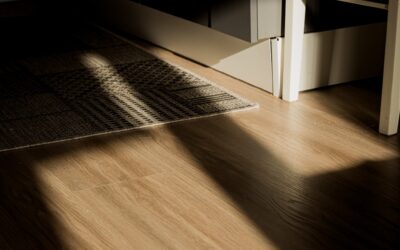
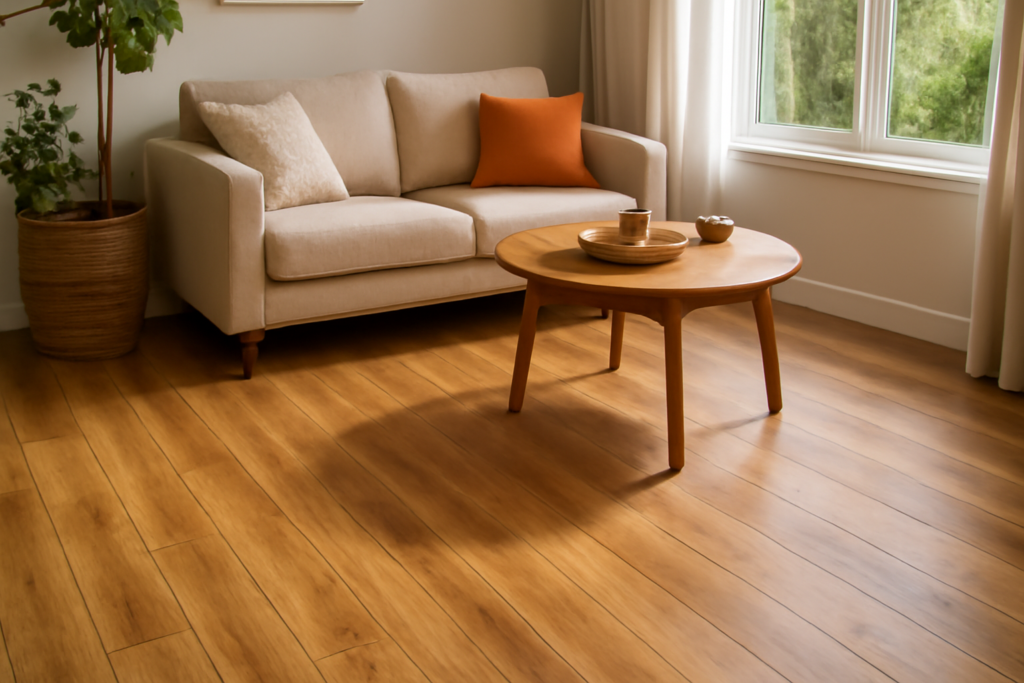
Honey oak refers to a warm, medium-light golden brown with amber and caramel undertones, printed onto luxury vinyl planks that mimic the cathedral grain and open pores of real white or red oak. The best planks layer several tones across a run so no two boards read identical, echoing how natural oak varies from board to board. Compared to a raw natural oak that leans pale, honey oak has more saturation and a distinct golden warmth that glows under both daylight and incandescent lamps.
Why the Golden Tone Works in a Home
Warm floors make a space feel welcoming in a way cool grays never quite managed. Honey oak vinyl plank flooring reads friendly and timeless, and it hides a surprising amount of daily life. Fine dust, pet hair, and light crumbs vanish against a golden mid-tone far better than they do on dark espresso or stark white-oak planks. That practical camouflage is a big part of why the color stays popular in busy family homes.
The warmth also flatters adjacent materials. Cream, greige, and soft white walls glow beside it, and brass or bronze hardware picks up the amber notes for a cohesive, collected look.
Pairing Walls and Cabinets
Because the floor already brings strong warmth, your surrounding colors do most of the balancing work. The goal is to let the golden tone feel intentional rather than dated, and that comes down to what you put next to it.
- Warm whites and creams: Soft off-whites keep the room bright and let the floor be the star. Avoid stark blue-white, which fights the amber.
- Greige and mushroom walls: A greige with a warm base bridges the floor to modern neutral schemes beautifully.
- Sage and olive greens: Muted warm greens are a designer favorite over honey floors, grounding the warmth with a natural, earthy contrast.
- Navy and deep teal accents: A saturated cool accent on an island or single wall makes the golden floor pop without clashing.
- Cabinets: Creamy white, warm gray, and natural walnut cabinetry all sit comfortably above honey oak plank.
Updating Dated Real Honey Oak Floors
Plenty of homes from the 1990s and early 2000s already have solid honey oak strip flooring that reads orange and tired. You have two honest paths. You can sand and refinish the real wood in a cooler or richer stain, which is labor-intensive and only works if the boards have thickness left. Or you can install honey oak vinyl plank right over a level subfloor for a fresh, consistent version of the same warm tone. Modern LVP prints avoid the heavy orange cast of old polyurethane-yellowed oak, so you keep the warmth you like while shedding the dated glare. For homeowners who want the golden look but not the maintenance of solid wood, vinyl plank is the simpler update.
Performance You Get With Vinyl
Beyond looks, honey oak vinyl plank flooring earns its place on durability. Quality SPC and WPC planks carry a wear layer of 12 to 22 mil, are fully waterproof, and shrug off pet claws and dropped toys far better than a site-finished oak floor. That makes the warm golden look practical in kitchens, entryways, and basements where real oak would be a risk. You get the cozy amber aesthetic in exactly the rooms where solid hardwood struggles.
Honest Drawbacks to Weigh
No floor is perfect, and it is worth naming the trade-offs before you commit. Vinyl plank does not add the same resale value as genuine hardwood, and a very warm printed tone can feel dated faster than a neutral if you dislike following it as trends shift. Cheaper planks with low-resolution prints can also show a repeating pattern every sixth or eighth board, which cheapens the effect. Buy a plank with a high-definition print, a varied board count, and a solid wear layer to avoid that plastic look.
Choosing the Right Plank Format
The honey oak look comes in several constructions, and the format affects both the feel and the price. Rigid-core SPC planks are the most popular for their dent resistance and dead-flat installation over imperfect subfloors. WPC planks trade a little dent resistance for a warmer, softer, quieter step that many people prefer in bedrooms. Glue-down LVT gives the most solid, low-profile result but demands a very flat, well-prepped subfloor. Whichever you choose, look for wider and longer planks, since a 7-inch-wide board in a honey oak tone reads more like real wood than a narrow strip and shows off the golden grain to better effect.
Lighting and Room Orientation
Warm floors interact strongly with light, so consider your room’s exposure before committing. In a north-facing or dim room, honey oak’s golden tone counteracts the cool, flat light and makes the space feel sunnier and more inviting. In a bright, south-facing room flooded with warm afternoon light, the same floor can read quite intense, so you may want cooler wall colors to balance it. View large samples in your actual room at different times of day. A plank that looks perfectly warm in the store can look almost orange under strong afternoon sun, and knowing that in advance saves an expensive mistake.
Care and Everyday Maintenance
One of the quiet joys of this floor is how little it asks of you. A regular sweep or dry dust-mop keeps grit from dulling the finish, and an occasional damp mop with a pH-neutral vinyl cleaner handles the rest. The golden mid-tone is forgiving, hiding the dust and light debris that plague both very dark and very pale floors, so it looks tidy longer between cleanings. Avoid abrasive scrubbers and harsh chemicals that can cloud the wear layer, skip the steam mop, and add felt pads under furniture to prevent scuffs. That is essentially the entire maintenance routine, which is a big part of why homeowners choose vinyl over solid oak in the first place.
Is Honey Oak Right for Your Space
Choose honey oak vinyl plank flooring if you want a warm, forgiving, timeless floor that brightens a room and hides everyday mess. It shines in north-facing rooms that need warming up and in open plans where a single cohesive golden tone ties the space together. If your heart is set on a cool, moody, contemporary palette, a warm oak may feel like a fight. But for the growing number of homeowners returning to comfortable, natural warmth, this color delivers a classic look with none of the upkeep.
Prefer to explore on your own?
See how new flooring looks in your actual room in seconds — free, no signup.
Try the free Floor Studio →