Vinyl fencing costs roughly twice as much as pressure-treated wood on installation day — and then never asks for stain, paint, or a replacement picket again, which is the entire argument for it. So how much does a vinyl fence cost in 2026? Most homeowners pay between $15 and $40 per linear foot installed, which puts a typical 150-linear-foot backyard enclosure at $2,250 to $6,000, with taller privacy styles and difficult terrain pushing totals higher. This guide breaks the number down by style, separates material from labor, flags the add-ons that inflate quotes, and runs the honest vinyl-versus-wood math over a 20-year horizon.
Average Vinyl Fence Costs at a Glance
- Per linear foot, installed: $15 to $40 typical; $40 to $60+ for premium wood-grain textured, tall, or decorative product in expensive labor markets.
- Materials only: $10 to $30 per linear foot depending on style and quality tier.
- Labor only: $5 to $15 per linear foot in most regions.
- Typical project totals: $2,000 to $4,000 for a small yard (100 LF); $3,500 to $6,500 for an average suburban backyard (150 to 200 LF); $6,000 to $12,000+ for large perimeters (300+ LF).
Quotes are always priced per linear foot, so measure your property line before calling anyone. A 50-foot tape and ten minutes gives you the multiplier that makes every estimate comparable.
Cost by Fence Style
Style drives material cost more than any other single choice, because taller and more private means more PVC per foot:
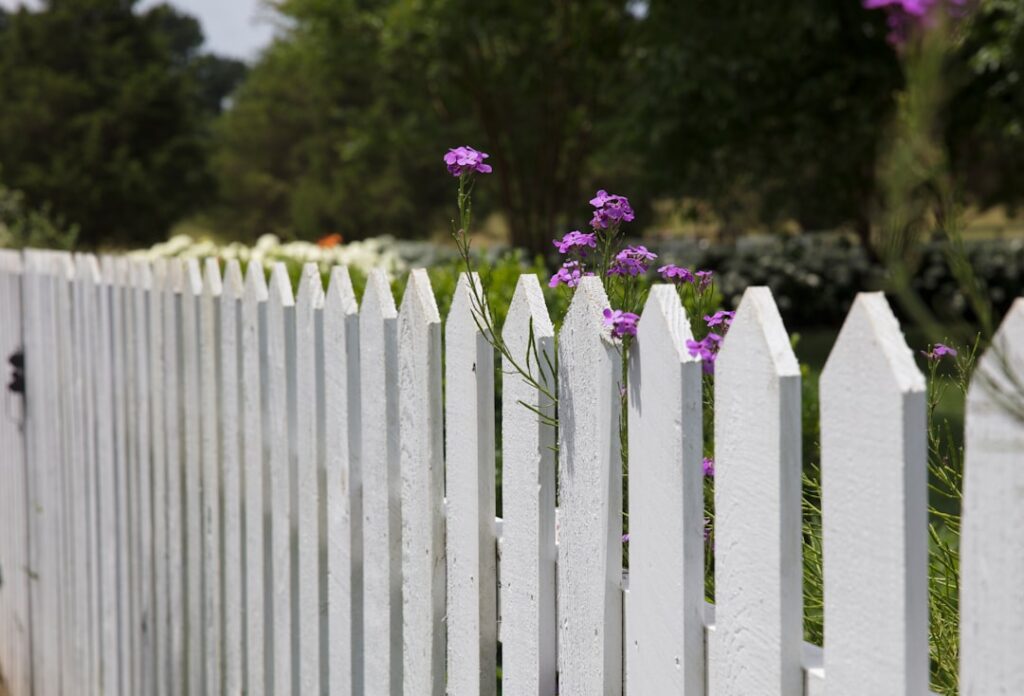
- Picket fence (3 to 4 ft): $15 to $25 per LF installed. The decorative front-yard classic; least material, lowest price.
- Ranch/post-and-rail (2 to 3 rails): $12 to $20 per LF. Big open runs for acreage and horse properties; cheapest per foot but the footage adds up fast.
- Semi-privacy (5 to 6 ft, spaced or lattice-top panels): $20 to $32 per LF. Airflow plus most of the privacy.
- Full privacy (6 ft solid panel): $25 to $40 per LF. The most popular residential choice and the biggest material consumer.
- Premium textured/wood-grain or tall privacy (7 to 8 ft where code allows): $35 to $60 per LF. Thicker-wall vinyl, realistic embossing, darker colors with UV inhibitors.
Gates are priced separately: $150 to $400 for a standard walk gate and $500 to $1,500+ for a double drive gate, hardware included. Most projects need at least one of each; do not let a low per-foot bid hide gate line items.
Material vs. Labor: Where the Money Goes
Vinyl fencing sells as pre-assembled panels (commonly 6 or 8 ft wide) or as rail-and-picket components, plus posts, post caps, and concrete. Big-box standard-duty privacy panels run $80 to $150 per 6-ft panel with posts around $25 to $60 each; professional-grade heavy-wall product from fence distributors costs 20 to 50 percent more and resists sagging, chalking, and brittleness far better. Quality markers worth paying for: thicker wall gauge, aluminum or galvanized-steel reinforcement in bottom rails of privacy panels, and a transferable lifetime warranty against yellowing and cracking.
Labor covers layout, post-hole digging (typically 24 to 36 inches deep, below frost line in cold climates), setting posts in concrete, and hanging panels — figure $5 to $15 per linear foot, or $30 to $80 per post-hole when priced that way. Crews move fast on flat, open runs: a two-person crew can set 150 feet in 1 to 2 days once post concrete cures. Labor climbs when the site fights back, which brings us to the multiplier list.
Cost Factors That Move Your Quote
- Terrain and slope: stepped or racked panels on a grade add 10 to 30 percent labor. Rocky soil or buried roots can double digging time; some contractors bill rock clauses at $50 to $100 per problem hole.
- Old fence removal: $3 to $5 per linear foot for tear-out and disposal — $450 to $750 on a typical yard that quotes conveniently forget until signing day.
- Height and wind rating: 8-ft privacy in a windy region needs heavier posts, deeper footings, and sometimes engineering — costs rise disproportionately with height.
- Color and texture: white is cheapest; tan and gray add modestly; dark colors and wood-grain embossing add 15 to 40 percent in material.
- Permits and surveys: fence permits run $20 to $100 in most municipalities; a property survey, if boundaries are uncertain, runs $300 to $800 and is far cheaper than moving a fence a neighbor disputes.
- Region and season: coastal metros price 20 to 40 percent above rural averages, and late-fall scheduling often shaves 5 to 15 percent when crews are hungry.
Vinyl vs. Wood and Other Materials: 20-Year Math
Pressure-treated pine privacy fencing installs for roughly $12 to $25 per linear foot — clearly cheaper up front. The gap closes in maintenance: wood wants staining or sealing every 2 to 3 years ($300 to $800 per cycle on a typical yard, or a weekend of your labor), plus picket, rail, and post repairs as rot and warp arrive, and a realistic 15 to 20 year lifespan. Vinyl’s maintenance budget is a garden hose, mild soap, and the occasional magic eraser, across a 20 to 30+ year lifespan with lifetime-warrantied product. Over two decades, total cost of ownership typically favors vinyl or lands even — you are effectively pre-paying the maintenance. Cedar sits between the two on price with better rot resistance than pine but the same staining appetite. Aluminum ($25 to $50 per LF) beats vinyl for open ornamental looks but offers no privacy; chain link ($10 to $20) wins on pure budget and loses everywhere else. Vinyl’s honest weaknesses: it can crack under impact in bitter cold, dark colors can fade unevenly in harsh sun on bargain product, and a damaged panel usually means replacing the panel, not one picket.
DIY vs. Professional Installation
DIY drops the project to materials plus tools — roughly $10 to $30 per linear foot, saving $750 to $2,000 on an average yard. The work is unglamorous but achievable: the make-or-break skills are digging consistent holes below frost depth, setting posts perfectly plumb and exactly spaced to panel width (rent a two-person auger for $60 to $100 a day), and stringing straight lines. Vinyl is unforgiving of sloppy post spacing because panels do not trim the way wood does — an inch off and the panel will not seat. Call 811 before digging, every time, no exceptions. If your run is flat, short, and square, DIY is a great weekend-plus project; on slopes, long perimeters, or rocky ground, the pro crew earns its $10 per foot.
How to Get the Best Price
Collect three itemized bids that separate materials, labor, gates, tear-out, and permits. Ask each bidder for the product’s wall thickness and warranty terms so you are comparing equal vinyl, not just equal footage. Consider mixing styles — 6-ft privacy where neighbors face you, cheaper 4-ft picket or rail along the back tree line — which routinely trims 15 to 25 percent from the total. And if the budget is tight this year, remember the honest answer to how much does a vinyl fence cost includes the twenty stain-free years after installation: paying $1,500 more than wood today to skip $4,000 of staining cycles is one of the easier value calls in outdoor home improvement.