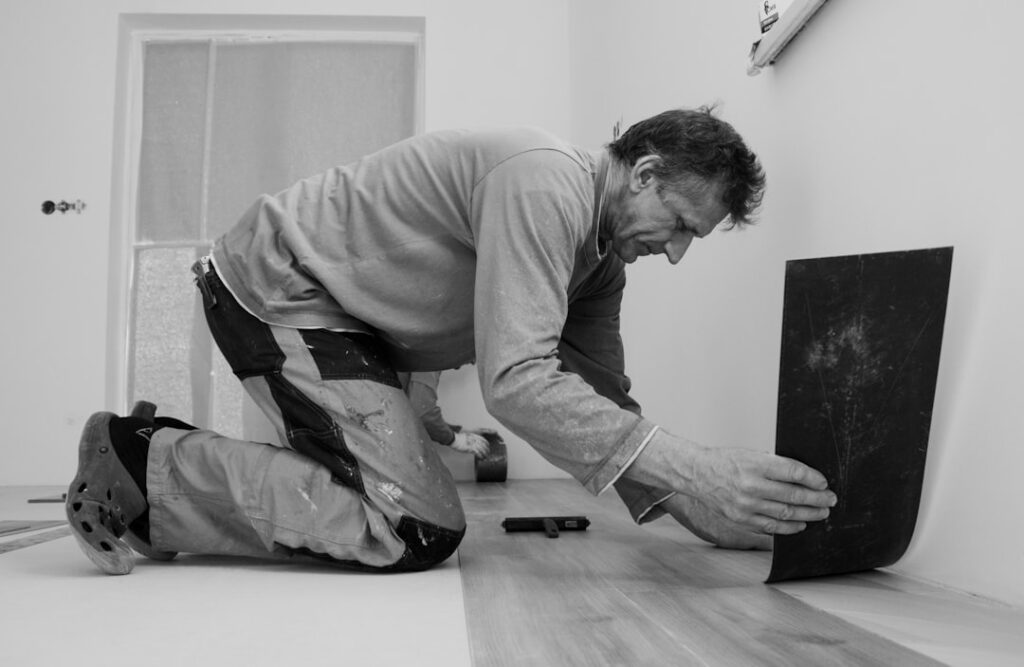
If you want to know how much does it cost to install laminate flooring, most homeowners spend between 3 and 8 dollars per square foot installed, blending the cost of materials and professional labor. Laminate remains one of the best values in flooring because it delivers a wood look at a fraction of hardwood’s price. This guide breaks down the numbers, what drives them, and how to budget accurately for your project.
The Quick Answer on Cost
For a typical professionally installed laminate floor, expect to pay somewhere in the range of 3 to 8 dollars per square foot all in. That figure combines the laminate planks, underlayment, trim, and labor. On a per-room basis, a small bedroom of around 150 square feet might land in the low four figures, while a large open living area of 500 square feet or more can run several thousand dollars. Doing the installation yourself can cut the cost roughly in half, since labor is a major share of the total.
Breaking Down the Costs
Materials
Laminate planks themselves typically cost from about 1 to 4 dollars per square foot. Budget laminate sits at the low end, while thicker, higher-quality planks with better wear ratings and more realistic textures cost more. You will also need underlayment, the cushioning layer that goes beneath the planks, which adds a small amount per square foot unless it is already attached to the planks.
Labor
Professional installation generally runs from about 2 to 5 dollars per square foot. Labor varies by region, the complexity of the job, and the installer. Simple rectangular rooms cost less per square foot than spaces with many angles, closets, or obstacles.
Additional Materials
Beyond planks and underlayment, budget for transition strips between rooms, baseboards or quarter-round trim, and any moisture barrier needed over concrete. These small items add up and are easy to forget when estimating.
What Drives the Price Up or Down
- Plank quality. Thicker planks with higher abrasion-resistance ratings cost more but last longer and look more realistic.
- Room size and shape. Larger rooms cost more in total but often less per square foot. Complex layouts with many cuts cost more per square foot.
- Subfloor condition. If the subfloor needs leveling, repair, or moisture treatment, that adds to the bill.
- Old floor removal. Tearing out and disposing of existing flooring is an extra labor charge.
- Furniture moving. Some installers charge to move heavy furniture and appliances.
- Region. Labor rates vary significantly by area and local demand.
Room Size Cost Examples
To make the numbers concrete, here are rough installed-cost estimates using a mid-range of about 5 dollars per square foot:
- Small bedroom, 120 square feet: roughly 600 dollars.
- Average living room, 300 square feet: roughly 1,500 dollars.
- Large open area, 600 square feet: roughly 3,000 dollars.
- Whole main floor, 1,000 square feet: roughly 5,000 dollars.
These are estimates to set expectations. Your real cost depends on the plank you choose and the factors above, so always get itemized quotes.
Hidden Costs to Plan For
Several expenses surprise homeowners who only budget for planks and labor:
- Subfloor prep. Leveling compound and repairs can add a meaningful amount if your floor is uneven.
- Old flooring removal and disposal, particularly if it is tile or glued-down material.
- Trim and transitions, which are required for a finished look and to cover expansion gaps.
- Door adjustments, since the new floor height may require trimming the bottoms of doors.
- Waste overage, typically 5 to 10 percent extra material for cuts and mistakes.
Factoring these in upfront prevents your budget from creeping during the project.
DIY vs Professional Installation
Laminate is one of the most DIY-friendly floors because of its click-together floating design, which needs no glue or nails. Installing it yourself can eliminate the labor portion, saving roughly half the total cost. The trade-offs are time, the learning curve, and the risk of mistakes like poor subfloor prep or incorrect expansion gaps that can cause buckling. If you are handy and patient, DIY offers big savings. If the room is complex or you want a guaranteed result, professional installation is worth the cost and often comes with a workmanship warranty.
Ways to Save Money
- Get multiple quotes. Labor rates vary widely, so compare at least three installers.
- Buy materials during sales. Flooring frequently goes on sale, and buying the planks yourself can beat marked-up contractor pricing.
- Do the prep yourself. Removing old flooring and moving furniture before the crew arrives can lower labor charges.
- Choose a mid-range plank. The cheapest laminate wears out faster, while the most expensive may exceed what you need. A solid mid-grade plank balances cost and durability.
- Install it yourself if you are comfortable, since labor is the largest single line item.
Is Laminate Worth It?
For most homeowners, yes. Laminate delivers a convincing wood look, good scratch resistance, and easy maintenance at a price well below hardwood or many engineered floors. While it does not add the same resale prestige as real wood and is not ideal for very wet rooms unless water-resistant, its combination of affordability, durability, and DIY-friendliness makes it one of the best flooring values available.
Laminate vs Other Flooring Costs
To judge whether laminate is the right value for your project, it helps to see how it stacks up against the alternatives. Solid hardwood typically costs far more, often two to three times as much per square foot installed, and demands more careful maintenance. Engineered wood lands between laminate and solid hardwood in price while offering a real wood veneer. Luxury vinyl plank is broadly comparable to laminate in cost, but adds full waterproofing, which laminate generally lacks unless it is a water-resistant product. Tile can rival or exceed laminate on material and usually costs more to install because of the labor-intensive setting and grouting. Carpet is often cheaper upfront but wears out faster and is harder to keep clean. Seen this way, laminate occupies a sweet spot: it delivers a convincing wood look and solid durability at a price well below hardwood and tile, while installing more easily than almost any of them. For budget-conscious homeowners who want an attractive, hard-wearing floor without the premium price tag, that balance is exactly why laminate remains so popular.
Final Thoughts
So how much does it cost to install laminate flooring? Budget 3 to 8 dollars per square foot installed, with materials at 1 to 4 dollars and labor at 2 to 5 dollars, plus extras like underlayment, trim, and subfloor prep. Use room-size estimates to ballpark your total, gather several itemized quotes, and decide whether DIY savings are worth your time. Plan for the hidden costs, choose a quality mid-range plank, and you will get an attractive, durable floor that stretches your remodeling budget further than almost any other option.
Prefer to explore on your own?
See how new flooring looks in your actual room in seconds — free, no signup.
Try the free Floor Studio →