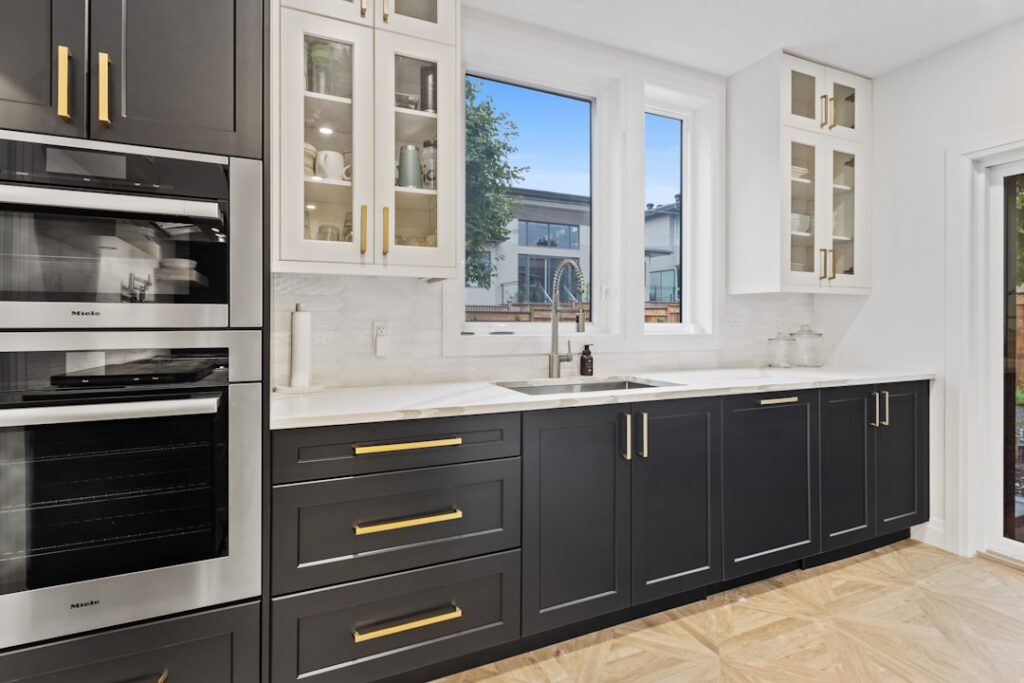
Painting kitchen cabinets can transform a dated kitchen for a fraction of the cost of replacing them, often saving 70 to 80 percent compared with new cabinetry. If you are wondering how much to paint kitchen cabinets, the answer depends heavily on whether you hire a pro or do it yourself, the size of your kitchen, and the prep required. This guide lays out realistic numbers and the factors that move them so you can budget with confidence.
The Short Answer on Cost
For a professional cabinet painting job, most homeowners spend roughly $1,500 to $5,000 for an average kitchen, with many landing somewhere in the middle. Doing it yourself dramatically cuts the price, often to between $200 and $600 in materials, since you are only paying for paint, primer, and supplies rather than labor. The wide range reflects big differences in kitchen size, cabinet condition, paint quality, and how much prep and detail the job demands.
What Drives the Price
Several factors push the cost up or down, and understanding them helps you predict your own quote.
- Number of doors and drawers: price often scales with the count of doors and drawer fronts, since each must be cleaned, prepped, and coated on multiple sides.
- Kitchen size: a small galley kitchen costs far less than a large kitchen with an island.
- Cabinet material and condition: smooth wood is easier than laminate or thermofoil, which need special primers.
- Prep work: heavy grease, repairs, or stripping old finishes adds labor.
- Paint and finish quality: premium cabinet enamels cost more but last longer.
- Color change: going from dark to light may require extra coats.
DIY Cost Breakdown
If you tackle the project yourself, your spending falls into clear categories. Quality cabinet paint and primer make up the largest share, with a durable cabinet enamel running a meaningful amount per gallon and most kitchens needing one to two gallons of paint plus primer. Then come supplies: sandpaper, degreaser, painter’s tape, drop cloths, quality brushes, foam rollers or a sprayer, and wood filler for repairs. Renting or buying a paint sprayer adds cost but produces the smoothest, most professional finish. All told, a DIY job commonly runs $200 to $600 depending on your existing tools.
Professional Cost Breakdown
When you hire out, labor is the dominant expense, typically accounting for the majority of the bill because cabinet painting is meticulous, multi-day work. Pros charge based on the number of doors and drawers or by the overall kitchen, and a thorough professional job includes degreasing, sanding, filling, priming, and multiple finish coats, often sprayed in a controlled setup or off-site for a flawless result. The premium you pay buys durability, a smoother finish, and the time savings of not spending a week on the project yourself.
Why Prep Determines Everything
The single biggest factor in both cost and durability is preparation. Kitchen cabinets accumulate grease, and paint will not adhere to a greasy or glossy surface no matter how good it is. Proper prep means thoroughly degreasing every surface, sanding or deglossing to give the new paint something to grip, filling dents, and priming with the right primer for the material. Skipping or rushing prep is the number one reason painted cabinets chip and peel within months. Whether you DIY or hire out, prep is where the lasting quality is won or lost.
The Painting Process Step by Step
Knowing the workflow clarifies why it takes time and why corners cannot be cut.
- Remove all doors, drawers, and hardware, labeling each so it goes back in the same place.
- Clean every surface with a degreaser to strip cooking residue.
- Sand or degloss to dull the finish, then wipe away all dust.
- Fill holes and imperfections, then sand smooth.
- Apply a bonding primer suited to the cabinet material.
- Apply two or more thin, even coats of cabinet enamel, allowing full dry time between coats.
- Let everything cure fully before reattaching hardware and rehanging doors.
Choosing the Right Paint
Cabinets endure constant touching, cleaning, and moisture, so paint choice matters enormously. Look for a durable enamel formulated specifically for cabinets and trim, which dries to a hard, washable finish that resists chipping. A satin or semi-gloss sheen is most popular because it cleans easily and hides minor imperfections better than high gloss. Investing in a quality cabinet enamel rather than ordinary wall paint is one of the best decisions you can make, since the difference shows up in how the finish holds up to daily kitchen abuse.
Hidden Costs to Plan For
A few expenses surprise first-timers. New hardware, while optional, is a popular upgrade that adds to the budget but dramatically refreshes the look. You may need new hinges if the old ones are worn. Repairs to damaged cabinet boxes or doors add labor and materials. And if you discover the cabinets are in poor structural shape, painting may not be worthwhile at all. Budget a cushion of 10 to 20 percent for these surprises so they do not derail the project.
Is It Worth It
For most homeowners, yes. Painting cabinets delivers one of the highest visual returns of any kitchen update relative to its cost, modernizing the whole room without the expense and disruption of a full remodel. It makes the most sense when your existing cabinet boxes are solid and well-built but simply dated or worn in color. If the cabinets are falling apart or made of low-grade materials that will not hold paint, replacement or refacing may be the better long-term investment.
Protecting Floors and Counters During the Job
At D and G Flooring, we remind homeowners that paint, primer, and degreaser can damage flooring and countertops if spilled. Lay down rosin paper or canvas drop cloths over the floor, not just thin plastic that paint soaks through, and tape off the toe kicks and adjacent surfaces. Protecting your floor during the project saves you from costly cleanup or refinishing later, especially on hardwood and laminate that can stain or swell from spills.
Final Thoughts
So how much to paint kitchen cabinets comes down to your approach: roughly $200 to $600 to do it yourself or about $1,500 to $5,000 to hire a professional for an average kitchen. The biggest variables are kitchen size, cabinet condition, and the quality of prep and paint. Budget honestly, prioritize thorough preparation, choose a durable cabinet enamel, and protect your floors, and you will get a refreshed kitchen that looks great and lasts for years.