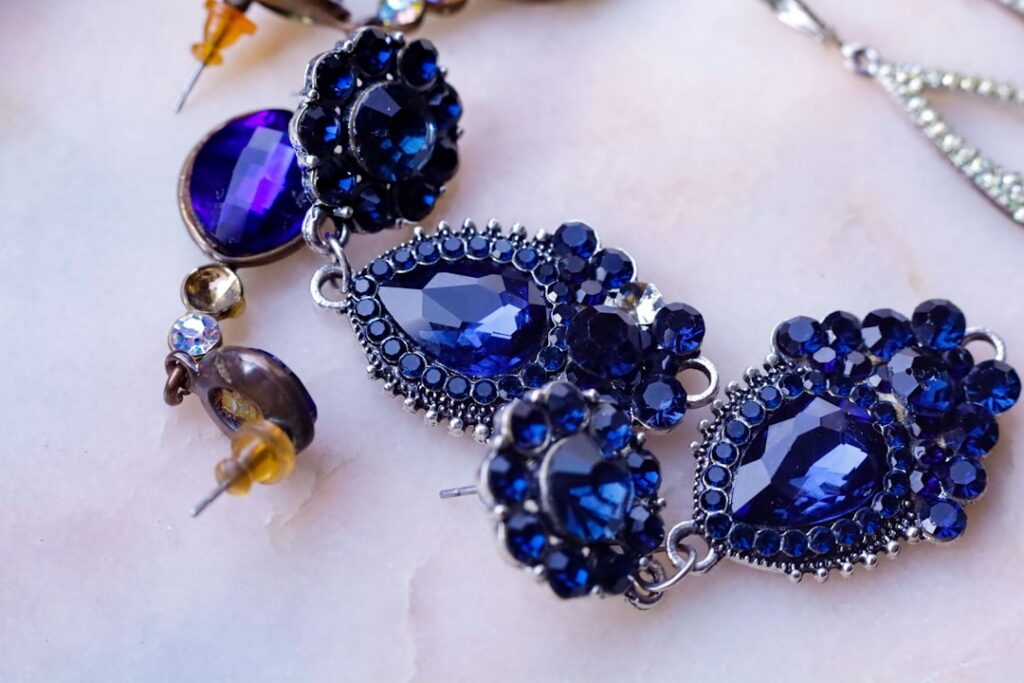
Figuring out how to clean tarnished costume jewelry without ruining it is a balancing act, because these pieces are not solid precious metal. Most costume jewelry is a base metal such as brass, copper, or nickel coated with a plating of gold or silver that measures only 0.5 to 2.5 microns thick. That thin layer is what tarnishes, and it is also what aggressive cleaning strips away in seconds. Clean it correctly and a $15 statement necklace looks new again; clean it wrong and you expose the dull gray base metal underneath permanently.
- Why Costume Jewelry Tarnishes in the First Place
- The Baking Soda and Aluminum Foil Bath
- White Vinegar for Brass and Copper Pieces
- The Truth About Toothpaste
- Gentle Methods for Rhinestones, Pearls, and Glued Stones
- A Simple Soap-and-Water Routine for Regular Upkeep
- Storing Jewelry So It Stops Tarnishing
- Mistakes That Ruin Costume Jewelry
The goal with any tarnish removal on plated or mixed-material jewelry is the gentlest method that works, not the fastest or most powerful. Below are the methods I reach for in order, along with the specific pieces each one suits and the ones it will destroy. Test everything on an inconspicuous spot first, and never soak glued components any longer than absolutely necessary.
Why Costume Jewelry Tarnishes in the First Place
Tarnish is a chemical reaction, not dirt. When the metal surface meets oxygen, sulfur compounds in the air, sweat, lotions, and perfume, it oxidizes and forms a dull or blackish film. Sterling silver reacts with sulfur to create silver sulfide, while brass and copper develop a brownish or greenish patina. Because costume plating is so thin, tarnish reaches through it to the reactive base metal quickly, which is why a cheap ring can look grimy after just a few weeks of wear.
Humidity accelerates everything. Storing jewelry in a steamy bathroom, leaving it on after swimming in a chlorinated pool, or wearing it while applying hand sanitizer with alcohol content near 70 percent all speed up the reaction. Skin chemistry matters too. People with more acidic sweat, often those who eat a high-protein diet or take certain medications, tarnish plated metal faster than others. Knowing the cause is useful because prevention, covered near the end, is far easier than repeated cleaning.
The Baking Soda and Aluminum Foil Bath
This is the single best method for solid metal chains, brass pendants, and silver-plated pieces with no stones or glue. It works through electrochemistry: the aluminum foil, baking soda, and hot water create a reaction that transfers the tarnish off the jewelry and onto the foil, so you are not scrubbing off any plating at all.
Line a glass or ceramic bowl with aluminum foil, shiny side up. Add one tablespoon of baking soda and one teaspoon of salt per cup of water, then pour in water heated to roughly 150 to 180 degrees Fahrenheit, just below boiling. Lay the jewelry directly on the foil so it makes contact, and let it sit 30 seconds to 5 minutes depending on how heavy the tarnish is. You will often see the darkness lift within a minute and sometimes smell a faint sulfur odor, which is the reaction working. Remove the piece with tongs, rinse under cool water, and dry immediately with a soft cloth. Do not use this bath on anything with rhinestones set in glue, pearls, opals, or turquoise, because the hot water loosens adhesive and damages porous stones.
White Vinegar for Brass and Copper Pieces
Brass and copper costume jewelry that has gone brown or greenish responds well to a mild acid. White vinegar with 5 percent acidity is cheap, effective, and gentle enough for uncoated base-metal pieces. Mix equal parts white vinegar and water, or for stubborn spots make a paste with vinegar and a teaspoon of salt or flour. Apply it with a cotton swab or soft toothbrush, work gently for 30 to 60 seconds, then rinse thoroughly and dry completely.
Acid is the enemy of plating, so save vinegar for pieces you know are solid brass or copper rather than gold-plated. If you are not sure, do a spot test on the back of the piece and watch for the finish thinning or changing color. Lemon juice works the same way and smells better, but it is slightly stronger, so dilute it more. Whatever acid you use, keep the contact time short and never leave jewelry soaking in it for hours, which will etch the metal and leave it looking pitted.
The Truth About Toothpaste
Toothpaste gets recommended constantly, and it does remove tarnish because it contains mild abrasives. That is exactly why you should be cautious with it on costume jewelry. Standard toothpaste has an abrasiveness rating, measured on the RDA scale, of anywhere from 70 to over 200, and whitening formulas sit at the high end. Rubbing that across gold or silver plating grinds the coating thinner with every pass.
If you use toothpaste at all, choose a plain white, non-gel, non-whitening paste, apply a pea-sized amount with a fingertip or the softest brush you own, and use the lightest possible pressure for only a few seconds before rinsing. Reserve it for solid metal accents and never touch a plated finish or a soft stone with it. Honestly, for most people the baking soda foil bath or a simple soapy wash accomplishes the same thing with none of the abrasion risk, so I treat toothpaste as a last resort rather than a go-to.
Gentle Methods for Rhinestones, Pearls, and Glued Stones
Pieces with rhinestones, faux pearls, crystals, or enamel need a completely different approach because water and soaking are the real danger. Most rhinestones are foil-backed and glued in place. Submerge them and the water seeps behind the stone, dissolves the adhesive, and clouds the reflective foil so the stone goes dark and dead-looking. The fix is to never soak them.
Dampen a soft cloth or cotton swab with a tiny amount of warm water and a drop of mild dish soap, wring it nearly dry, and wipe each stone and the metal setting individually. Follow immediately with a dry swab to pull moisture out of the crevices. For faux pearls, which are glass or plastic beads with a delicate coating, use only a barely damp cloth and never any acid or abrasive, as the pearl surface scratches and flakes easily. A dry, soft makeup brush is excellent for flicking dust and skin oil out of settings before you introduce any moisture at all. Patience here beats power every time.
A Simple Soap-and-Water Routine for Regular Upkeep
Not every cleaning needs a chemical reaction. For light tarnish and everyday grime, warm water with a drop of pH-neutral dish soap handles most costume jewelry safely. Dip a soft toothbrush or cloth, work gently around settings and chain links, then rinse under a slow stream of cool water. The critical step everyone skips is drying. Trapped moisture is what restarts tarnish within days, so pat the piece dry and then let it air-dry fully on a towel for 15 to 30 minutes, or use a hair dryer on its cool setting to reach inside links and clasps.
Doing this quick wash after any heavy-wear day, especially in summer, dramatically cuts how often you need the stronger methods. Think of it as maintenance rather than restoration. A minute of soapy cleaning every couple of weeks keeps the plating intact far longer than letting tarnish build up and then attacking it with abrasives once a year.
Storing Jewelry So It Stops Tarnishing
The best cleaning is the cleaning you never have to do, and smart storage is what gets you there. Tarnish needs air and humidity, so your job is to limit both. Store pieces in airtight containers or zip-top plastic bags, pressing out as much air as you can before sealing. Toss in a couple of anti-tarnish strips, the small treated paper tabs that absorb sulfur compounds from the air; they cost a few dollars for a pack and last about six months before they need replacing.
Silica gel packets, the kind that come in shoeboxes and vitamin bottles, control the humidity that speeds oxidation, so save them and drop one into each jewelry box. Keep everything out of the bathroom, where shower steam is a tarnish machine, and store pieces separately so plated surfaces do not scratch each other. A last practical tip: put jewelry on last when getting ready, after perfume, lotion, and hairspray have dried, and take it off before washing your hands or exercising. Those two habits alone will roughly double the time between cleanings.
Mistakes That Ruin Costume Jewelry
A few common shortcuts do real damage. Commercial silver dips are formulated for solid sterling and will strip thin plating right off, so keep them away from costume pieces. Ultrasonic cleaners vibrate glued stones loose and crack porous ones, making them a bad match for anything with rhinestones or faux pearls. Bleach corrodes metal, especially nickel alloys, and should never touch jewelry under any circumstances.
Aggressive scrubbing, long soaks, and hot water on glued components are the three fastest routes to a ruined piece. When you understand how to clean tarnished costume jewelry the right way, the pattern is consistent: match the method to the material, keep contact times short, dry everything completely, and store it smart. Do that and inexpensive jewelry keeps looking far more expensive than it was, for years rather than months.