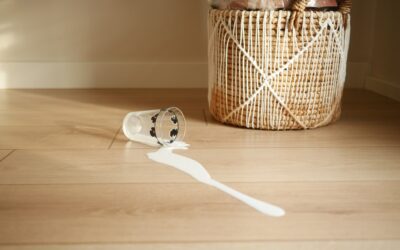
Nobody wants to deal with vomit on carpet, but it happens. Whether it is a sick child, a pet, or a stomach bug hitting at the worst possible time, knowing how to get vomit out of carpet quickly and completely is essential. The key to success is acting fast, using the right techniques, and addressing both the stain and the odor so your carpet looks and smells like nothing ever happened.
- Why Speed Matters: Act Immediately
- What You Will Need
- Step-by-Step: How to Get Vomit Out of Carpet
- Step 1: Remove the Solid Material
- Step 2: Blot Up Remaining Moisture
- Step 3: Apply Your Cleaning Solution
- Step 4: Address the Odor
- Step 5: Final Vacuum and Inspection
- Dealing with Dried or Set-In Vomit Stains
- Special Situations
- Vomit on Light-Colored Carpet
- Vomit on Wool Carpet
- Pet Vomit on Carpet
- Large Area or Repeat Incidents
- Products That Work Best
- What NOT to Do
- Preventing Future Carpet Stains
- When to Call a Professional
- Carpet Types and Vomit Resistance
- Final Thoughts
This guide walks you through the entire process from immediate cleanup to deep odor elimination, with methods using common household products and professional-grade solutions.
Why Speed Matters: Act Immediately
Vomit is acidic and contains bile, digestive enzymes, and food particles that start breaking down carpet fibers on contact. The longer vomit sits on your carpet, the worse the damage becomes:
- Within minutes: The acid begins to interact with carpet dyes, potentially causing discoloration.
- Within 30 minutes: Liquid soaks deeper into the carpet pad and subfloor, making odor removal significantly harder.
- Within hours: Proteins in the vomit bond to carpet fibers, setting the stain. Bacteria multiply rapidly, intensifying the smell.
- Overnight or longer: Deep penetration into the pad can cause mold growth and permanent odor that may require professional treatment or pad replacement.
The bottom line: drop what you are doing and address the mess immediately for the best results.
What You Will Need
Gather these supplies before you start cleaning. Having everything within reach saves time and prevents the mess from spreading.
Basic Supplies
- Rubber gloves
- Paper towels or old rags you can throw away
- A plastic scraper, spatula, or stiff cardboard
- Plastic bags for disposal
- Clean white cloths or towels (white prevents dye transfer)
- A spray bottle
- A vacuum cleaner (after the area is fully dry)
Cleaning Solutions (Choose One or More)
- Baking soda: Natural odor absorber and mild abrasive
- White vinegar: Cuts through organic matter and neutralizes odors
- Dish soap: Mild surfactant for stain removal (use clear, non-bleaching formula)
- Hydrogen peroxide (3%): Disinfects and lifts stains (test in a hidden area first)
- Enzyme cleaner: Purpose-made biological cleaner that breaks down organic matter at a molecular level (brands like Nature’s Miracle, Rocco & Roxie, or Angry Orange)
- Club soda: Mild cleaning agent that can help lift fresh stains
Step-by-Step: How to Get Vomit Out of Carpet
Step 1: Remove the Solid Material
Put on rubber gloves. Use a plastic scraper, spatula, or stiff piece of cardboard to scoop up as much solid material as possible. Work from the outside of the mess toward the center to avoid spreading it further. Place the waste into a plastic bag and seal it.
For chunky vomit, some people find it helpful to sprinkle baking soda or cornstarch over the area first. Wait 5 minutes for it to absorb moisture, which makes the solids easier to scoop without smearing.
Do not press down hard or rub at this stage. You want to lift material off the surface, not push it deeper into the carpet fibers.
Step 2: Blot Up Remaining Moisture
After removing solids, blot the area with paper towels or disposable rags. Press down firmly to absorb liquid, then lift. Replace with fresh paper towels and repeat until no more moisture transfers. Always blot, never rub. Rubbing spreads the stain, damages carpet fibers, and pushes liquid deeper into the pad.
Step 3: Apply Your Cleaning Solution
Now it is time to treat the stain and begin odor removal. Choose one of these methods based on what you have available:
Method A: Baking Soda and Vinegar (Household Staples)
- Sprinkle a generous layer of baking soda over the entire affected area.
- Mix one part white vinegar with one part warm water in a spray bottle.
- Spray the vinegar solution over the baking soda. It will fizz, and that fizzing action helps lift stains and neutralize odors.
- Let it sit for 15 to 20 minutes.
- Blot with clean white cloths until the area is mostly dry.
- Let the area air dry completely, then vacuum up any remaining baking soda residue.
Method B: Dish Soap Solution
- Mix one tablespoon of clear dish soap with two cups of warm water.
- Dip a clean white cloth into the solution and wring it out so it is damp, not soaking.
- Gently blot the stained area, working from the outside in.
- Rinse the cloth frequently and continue until the stain lifts.
- Follow with a cloth dampened with plain water to remove soap residue (soap left behind attracts dirt).
- Blot dry with clean towels.
Method C: Enzyme Cleaner (Best for Odor Removal)
- After removing solids and blotting moisture, saturate the affected area with enzyme cleaner following the product’s directions.
- Most enzyme cleaners need to stay wet for 10 to 15 minutes (or longer) to work. The enzymes are biological agents that literally consume the organic matter causing the stain and odor.
- Cover the area with a damp cloth or plastic wrap to keep the enzyme solution active.
- After the recommended dwell time, blot up excess moisture.
- Allow to air dry completely.
Enzyme cleaners are the gold standard for vomit on carpet because they address the root cause of odor at a molecular level. Household solutions mask or partially neutralize odors, but enzymes eliminate them.
Step 4: Address the Odor
Even after the stain is gone, odor can linger, especially if liquid soaked into the carpet pad. Here are additional odor-fighting steps:
- Baking soda treatment: Sprinkle a thick layer of baking soda over the cleaned area. Let it sit for 8 to 24 hours (overnight is ideal). Baking soda absorbs residual moisture and odor. Vacuum thoroughly.
- Hydrogen peroxide boost: Mix 1/4 cup of 3% hydrogen peroxide with one teaspoon of dish soap. Apply to the area, let it sit for 10 minutes, then blot. Test in a hidden area first, as peroxide can lighten some carpet colors.
- Activated charcoal: Place a bowl of activated charcoal near the area to absorb airborne odor molecules. Leave for 24 to 48 hours.
- Air circulation: Open windows, run a fan, or use a dehumidifier to speed drying and air out the room.
Step 5: Final Vacuum and Inspection
Once the area is completely dry (this may take 12 to 24 hours depending on humidity and airflow), vacuum thoroughly to restore the carpet texture and remove any dried cleaning product residue. Inspect the area in good lighting. If a faint stain remains, repeat the cleaning process or try a different method.
Dealing with Dried or Set-In Vomit Stains
If you could not get to the vomit immediately and it has dried, the process requires a bit more effort:
- Rehydrate the dried material: Lay a warm, damp towel over the dried vomit for 15 to 20 minutes. This softens the material and makes removal easier.
- Scrape gently: Use a plastic scraper to lift the softened material. A stiff brush can help loosen stubborn bits, but be gentle to avoid damaging carpet fibers.
- Apply enzyme cleaner: For set-in stains, enzyme cleaners are your best option. Apply generously and allow extra dwell time (30 minutes to an hour).
- Repeat as needed: Dried vomit stains often require two or three treatment cycles. Be patient and persistent.
- Consider professional cleaning: If the stain or odor persists after multiple attempts, a professional carpet cleaner with truck-mounted hot water extraction equipment can reach deep into the carpet pad where household methods cannot.
Special Situations
Vomit on Light-Colored Carpet
The bile and food dyes in vomit can stain light carpet more noticeably. For light or white carpet, the hydrogen peroxide method is particularly effective. You can also try a paste of oxygen-based bleach (like OxiClean) mixed with water. Apply, let sit for 30 minutes, and blot away. Always spot-test first.
Vomit on Wool Carpet
Wool requires special care. Do not use bleach, hydrogen peroxide, or strong alkaline cleaners on wool carpet. Stick to mild dish soap, white vinegar, or a wool-safe enzyme cleaner. Avoid over-wetting wool, as it can shrink or distort. Blot gently and allow ample drying time.
Pet Vomit on Carpet
Pet vomit often contains bile that is bright yellow or green, which can stain quickly. The enzyme cleaner method is especially important for pet vomit because products like Nature’s Miracle are specifically formulated for pet messes. If your pet vomits frequently, keep an enzyme cleaner on hand at all times.
Large Area or Repeat Incidents
If vomit has affected a large area or soaked deep into the carpet (as often happens with stomach flu episodes), you may need to pull back the carpet and treat or replace the pad underneath. This is a common and relatively affordable fix that a carpet installer can handle. Replacing just the pad costs $0.50 to $1.50 per square foot.
Products That Work Best
Based on effectiveness and user reviews, here are the top products for vomit removal from carpet:
- Nature’s Miracle Advanced Stain and Odor Eliminator: The most trusted enzyme cleaner for organic stains. Works on vomit, urine, feces, and food stains.
- Rocco & Roxie Professional Strength: Another excellent enzyme-based option with a pleasant scent.
- Folex Instant Carpet Spot Remover: Not enzyme-based, but remarkably effective on stains. Available at most hardware stores.
- Arm & Hammer Baking Soda: The classic odor absorber. Cheap and effective as a supplemental treatment.
- Bissell Professional Pet Stain and Odor Remover: Combines enzyme and oxygen-based cleaning for dual action.
What NOT to Do
Avoid these common mistakes that can make the situation worse:
- Do not rub or scrub: This spreads the stain, damages fibers, and pushes liquid deeper.
- Do not use hot water initially: Hot water can cook the proteins in vomit, setting the stain permanently. Use warm or cool water for initial cleaning.
- Do not use ammonia-based cleaners: Ammonia can react with the acids in vomit and may set stains or damage certain carpet fibers.
- Do not over-wet the carpet: Excessive moisture soaks into the pad and subfloor, creating mold and mildew risks. Use just enough liquid to treat the stain.
- Do not use colored cloths for blotting: Dye from colored rags can transfer to wet carpet, creating a new stain.
- Do not skip the odor treatment: Even if the stain is gone, residual odor can develop as remaining organic matter decomposes. Always treat for both stain and odor.
Preventing Future Carpet Stains
While you cannot always prevent illness, you can protect your carpet:
- Apply carpet protector: Products like Scotchgard create a barrier that makes stains easier to clean. Reapply after professional cleaning.
- Keep a cleanup kit ready: Store gloves, paper towels, enzyme cleaner, and baking soda in a bucket so you can act immediately.
- Place waterproof pads: If someone is ill, place waterproof pads or old towels on carpet near beds and on pathways to the bathroom.
- Consider stain-resistant carpet: If you are replacing carpet, choose fibers with built-in stain protection like solution-dyed nylon or triexta. Visit our carpet flooring guide for recommendations.
- Train pets: If your pet vomits frequently on carpet, place washable mats in their favorite spots and consult your vet about underlying causes.
When to Call a Professional
Most vomit stains can be handled with DIY methods, but call a professional carpet cleaner if:
- The stain or odor persists after multiple cleaning attempts.
- The vomit soaked through to the carpet pad (you can tell by lifting the carpet edge near the stain).
- The affected area is large (several square feet or more).
- You have expensive wool or silk carpet that requires specialized cleaning.
- Mold or mildew has developed due to delayed cleaning.
Professional carpet cleaning for a single room typically costs $75 to $200, which is far less than replacing carpet that was permanently damaged by improper cleaning.
Carpet Types and Vomit Resistance
Some carpet types handle vomit incidents better than others. Solution-dyed fibers (where the color goes all the way through the fiber rather than being applied to the surface) resist staining from vomit acids far better than piece-dyed options. Carpets with waterproof backing systems, like Shaw LifeGuard or Mohawk’s waterproof options, prevent liquid from soaking through to the pad, making cleanup significantly easier.
If you are in the market for new flooring and vomit incidents are a regular concern (young children, pets, or health conditions), consider hard-surface alternatives like vinyl flooring or tile flooring in areas where messes are most likely, and keep carpet in bedrooms where comfort matters most.
Final Thoughts
Knowing how to get vomit out of carpet is one of those practical skills every homeowner needs. The key takeaways are simple: act fast, scoop before you blot, use enzyme cleaners for the best odor elimination, and always treat both the stain and the smell. With the right approach, even the worst vomit incident leaves no lasting evidence on your carpet.