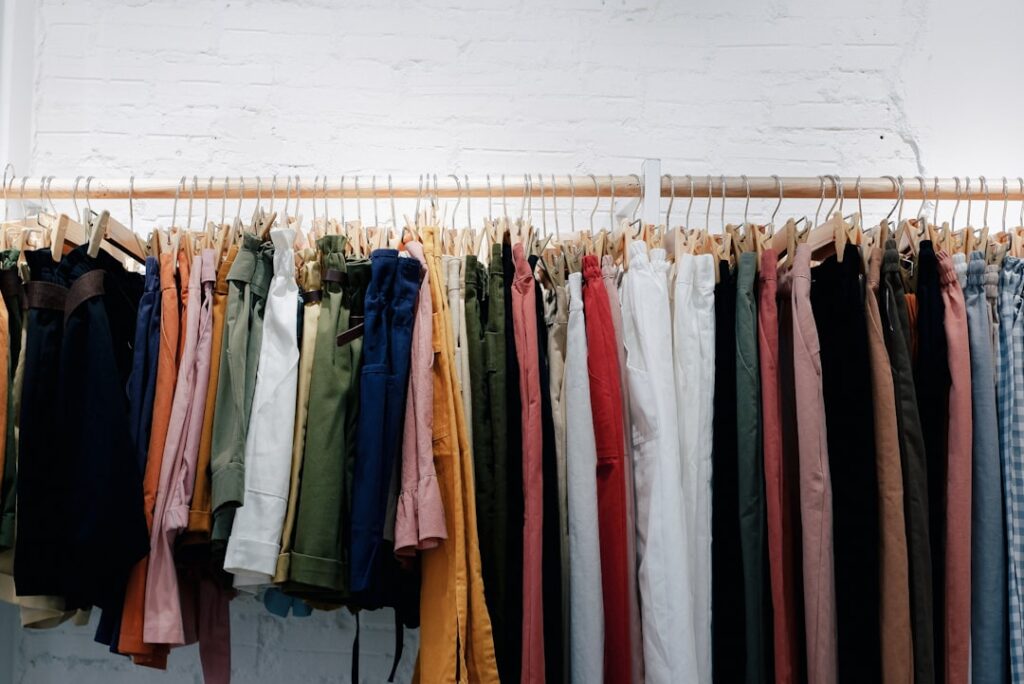
The average American owns roughly 100 items of clothing, yet most reach for the same 20 percent on repeat. If your rod is sagging and your shelves are spilling, learning how to organize a small closet with lots of clothes is less about buying bins and more about making smart decisions with the space you already have. At D and G Flooring, we work in plenty of bedrooms and master closets, and the same principle that applies to a well-laid floor applies here: plan the layout before you place a single thing.
- Start by Emptying the Closet Completely
- Declutter With a Three-Pile System
- Create Zones Based on How You Get Dressed
- Go Vertical to Double Your Hanging Capacity
- Use the Walls and the Door
- Fold Smart and Store Off-Season Items Away
- Choose the Right Organizers for Your Space
- Maintain the System So It Lasts
Start by Emptying the Closet Completely
It feels counterproductive, but you cannot organize around clutter. Pull every garment, shoe, and box out and set it on the bed. An empty closet shows you the true dimensions, the dead corners, and the wasted vertical space above the rod that most people ignore. Wipe down the shelves, vacuum the floor, and check the rod for sag. A small closet often has 18 to 24 inches of unused air between the top shelf and the ceiling, and that real estate can hold a full season of clothing.
While the closet is empty, take two measurements: the width of the hanging space and the total height. You will need these numbers when you decide whether to add a second rod, stacking shelves, or hanging organizers. Guessing leads to returns and frustration.
Declutter With a Three-Pile System
Before anything goes back in, sort every item into keep, donate, and repair or toss. Be honest. If you have not worn something in 12 months and it is not seasonal or sentimental, it is taking up prime space. A useful test: turn all your hangers backward at the start of a season, and flip each one forward only after you wear that item. Anything still backward in six months is a strong donation candidate.
- Keep: items you wear regularly, fit well, and genuinely like.
- Donate: good condition but unworn, wrong size, or no longer your style.
- Repair or toss: stained, torn, missing buttons, or stretched out.
Realistically, most people remove 20 to 40 percent of their wardrobe in this step. That single act often solves the small closet problem before you buy any organizers at all.
Create Zones Based on How You Get Dressed
Group clothing by category and by frequency of use. Daily work clothes belong at eye level and within easy reach. Off-season coats, formalwear, and rarely used items go up high or in the back. Think in zones: a hanging zone for shirts and dresses, a folded zone for jeans and sweaters, an accessory zone for belts and scarves, and a shoe zone near the floor.
Keep like items together. When all your button-downs hang in one block and all your pants in another, getting dressed is faster and you can actually see what you own. Color-coding within each category adds another layer of speed, and it makes a small closet look intentional rather than crammed.
Go Vertical to Double Your Hanging Capacity
The single biggest space gain in a small closet comes from adding a second hanging rod. Shirts, blouses, skirts, and folded pants only need about 40 inches of vertical drop, which means a standard 80-inch closet can fit two rods stacked. Hang the top rod for one category and the lower rod for another. This move can nearly double your usable hanging space without touching the footprint.
For long items like dresses and coats, reserve one tall section with a single rod. Cascading hangers and hooks that hang vertically off a rod let you stack five pairs of pants where one used to hang. Slim velvet hangers also matter more than people expect: swapping bulky plastic hangers for thin nonslip ones can recover three to five inches of rod space across a typical closet.
Use the Walls and the Door
Vertical wall space and the back of the closet door are the most overlooked storage in any home. An over-the-door organizer with clear pockets holds shoes, scarves, sunglasses, or small handbags. Adhesive hooks on the side walls hold belts, hats, and tote bags. A slim hanging shelf system adds folded storage in the air without a single screw if you rent.
- Over-the-door shoe pockets for footwear or accessories.
- Wall hooks for bags, belts, and frequently grabbed items.
- Stick-on LED strip lighting so you can see the back corners.
Fold Smart and Store Off-Season Items Away
File-folding, where you stand folded items upright in a drawer or bin so every piece is visible, prevents the dig-and-collapse cycle that wrecks neat stacks. For sweaters and bulky knits that lose shape on hangers, fold them on a shelf in vertical rows. Use shelf dividers to keep stacks from toppling into each other.
Off-season clothing should leave the daily closet entirely. Vacuum-seal bags compress puffy coats and comforters to a fraction of their size and slide neatly onto the top shelf or under the bed. Label each bag so you are not guessing in October what you stored in April. Rotating two compact wardrobes through one closet is far easier than forcing all four seasons to coexist.
Choose the Right Organizers for Your Space
Now that the closet is decluttered and zoned, buy organizers to fit, not the other way around. Stackable drawers, slim shelf bins, and a hanging organizer typically run $15 to $60 each, and a full small-closet system in the $150 to $400 range covers most needs. Measure before you buy and favor adjustable systems so you can reconfigure as your wardrobe changes. Clear bins beat opaque ones because you can see contents at a glance.
Shoes are a common space drain. A two-tier shoe rack on the floor or a hanging shoe shelf keeps pairs visible and off the ground, which also makes vacuuming easier. Store special-occasion shoes in their original boxes with a photo on the end so you can find them without opening each one.
Maintain the System So It Lasts
An organized closet stays organized only with small habits. Spend two minutes returning items to their zone after laundry day. Adopt a one-in, one-out rule: when a new shirt comes in, an old one goes to the donate bag. Do a quick 15-minute reset each season when you swap off-season storage. These tiny routines prevent the slow creep back to chaos that undoes a weekend of effort.
Knowing how to organize a small closet with lots of clothes ultimately comes down to three moves: own less, store vertically, and keep like items together. Do those three things and even a cramped reach-in closet can hold a surprising wardrobe while still looking calm every time you open the door. Start with one shelf this weekend, and the momentum will carry you through the rest.