Honey is delicious but notoriously sticky, and when it drips onto clothes, carpet, or flooring, it creates a mess that seems impossible to clean. The good news is that knowing how to remove honey stains is straightforward once you understand the right technique for each surface. Honey is water-soluble, which means warm water is your best friend in most situations. This guide walks you through removal methods for every surface you might encounter, from your favorite shirt to your hardwood floors.
- Honey Stain Basics
- Removing Honey Stains From Clothes
- Step-by-Step Method for Machine-Washable Clothes
- For Delicate Fabrics (Silk, Wool, Cashmere)
- For Dried Honey Stains
- Removing Honey Stains From Carpet
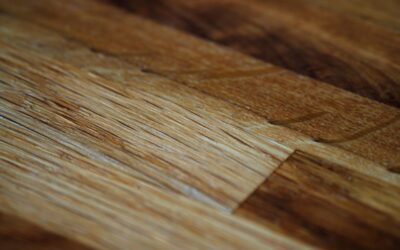
- Removing Honey From Hardwood Floors
- Removing Honey From Tile & Grout
- Removing Honey From Vinyl Flooring
- Removing Honey From Upholstery
- Removing Honey From Countertops
- Prevention Tips
- Frequently Asked Questions
Honey Stain Basics
Before diving into specific surfaces, understanding why honey stains the way it does will help you tackle any spill more effectively.
Honey is primarily sugar (about 80%) and water (about 17%), with small amounts of enzymes, minerals, and pollen. Its staining power comes from two factors: its extreme stickiness (which bonds it to fibers and surfaces) and the natural pigments and sugars that can leave yellowish-brown marks, especially when heated or left to sit.
The golden rule for how to remove honey stains is to act quickly. Fresh honey lifts easily with warm water, while dried honey requires soaking and more effort. Never use hot water on honey-stained fabric before removing the bulk of the honey, as heat can set sugar stains permanently.
| Surface | Difficulty | Key Product | Time Needed |
|---|---|---|---|
| Cotton clothes | Easy | Warm water + dish soap | 5 – 15 minutes |
| Delicate fabrics | Medium | Cold water + gentle detergent | 15 – 30 minutes |
| Carpet | Medium | Warm water + white vinegar | 15 – 30 minutes |
| Hardwood floors | Easy | Damp cloth + wood cleaner | 5 – 10 minutes |
| Tile & grout | Easy-Medium | Warm water + baking soda | 10 – 20 minutes |
| Vinyl flooring | Easy | Warm water + dish soap | 5 minutes |
| Upholstery | Medium-Hard | Dish soap + enzyme cleaner | 20 – 45 minutes |
Removing Honey Stains From Clothes
Honey on clothing is the most common scenario, and fortunately, it’s one of the easiest to resolve.
Step-by-Step Method for Machine-Washable Clothes
- Scrape off excess: Use a butter knife or spoon to gently lift away as much honey as possible. Scrape in one direction to avoid spreading the stain.
- Flush with warm water: Hold the stained area under warm running water from the back of the fabric. This pushes the honey out rather than deeper into the fibers.
- Apply dish soap: Put a few drops of liquid dish soap (Dawn or similar) directly on the stain. Dish soap is designed to cut through sticky, sugary residue.
- Gently work it in: Rub the soap into the stain with your fingers or a soft brush in a circular motion for 30 to 60 seconds.
- Soak if needed: For dried or set-in stains, soak the garment in warm water with 1 tablespoon of dish soap for 15 to 30 minutes.
- Machine wash: Wash the garment on its normal cycle with regular detergent. Use the warmest water temperature the fabric care label allows.
- Check before drying: Inspect the stain before putting the garment in the dryer. If any residue remains, repeat steps 3 through 6. Heat from the dryer can set remaining sugar stains permanently.
For Delicate Fabrics (Silk, Wool, Cashmere)
Use cold water instead of warm to prevent damage. Apply a small amount of gentle liquid detergent (like Woolite) and work it in carefully without rubbing aggressively. Soak for up to 30 minutes in cold water, then rinse. For silk, blot instead of rubbing to prevent fiber damage. You might also want to learn how to remove dog hair from clothes made of these same delicate fabrics.
For Dried Honey Stains
Dried honey requires pre-treatment. Soak the stained area in warm water for 20 to 30 minutes to dissolve the hardened sugar. Then apply a paste of baking soda and water (3:1 ratio), let it sit for 10 minutes, and launder as usual. For very old stains, an enzyme-based stain remover (like OxiClean) is highly effective.
Removing Honey Stains From Carpet
Honey on carpet requires a careful approach to avoid spreading the stain or damaging the fibers.
Step-by-Step Carpet Cleaning Method
- Scoop up the excess: Use a spoon or butter knife to lift away as much honey as possible. Work from the outside of the spill inward to prevent spreading.
- Apply warm water: Dampen a clean white cloth with warm water and blot (don’t rub) the stain. The warmth helps dissolve the sugar.
- Make a cleaning solution: Mix 1 tablespoon of liquid dish soap, 1 tablespoon of white vinegar, and 2 cups of warm water.
- Blot with the solution: Apply the solution to a clean cloth and blot the stain repeatedly. You should see the honey transferring to the cloth.
- Rinse: Blot with a cloth dampened with plain warm water to remove the soap residue.
- Dry: Press dry towels or paper towels into the area to absorb moisture. Place a fan nearby to speed drying and prevent mold or mildew.
For stubborn carpet stains, apply a paste of baking soda and water after the initial cleaning. Let it sit for 1 to 2 hours, then vacuum. The baking soda absorbs any remaining sticky residue and deodorizes the area.
Removing Honey From Hardwood Floors
Honey on hardwood floors needs prompt attention to prevent the sticky residue from attracting dirt or damaging the finish.
For Sealed/Finished Hardwood
- Scoop up excess honey with a plastic scraper or spatula (avoid metal tools that can scratch the finish).
- Dampen a microfiber cloth with warm water and lay it over the remaining honey for 2 to 3 minutes to soften it.
- Wipe away the softened honey with the damp cloth.
- Clean the area with a hardwood floor cleaner (Bona or similar) to remove any sticky residue.
- Dry the area immediately with a clean cloth. Never leave standing water on hardwood.
For Unfinished or Wax-Finished Hardwood
Unfinished wood is more vulnerable to moisture and staining. Scrape away the honey, then use a barely damp cloth for minimal cleanup. Follow with a wood-specific cleaner designed for unfinished surfaces. If the honey has penetrated the grain, light sanding (220-grit) followed by refinishing the spot may be necessary.
Removing Honey From Tile & Grout
Tile floors are relatively easy to clean, but honey in grout lines requires extra attention.
On Glazed Tile
Wipe up the honey with a warm, damp cloth. Follow with a standard tile cleaner or a solution of warm water and dish soap. Glazed tile is non-porous, so honey won’t stain the tile itself.
In Grout Lines
Grout is porous and can absorb the pigments in honey, leaving a yellowish discoloration. Make a paste of baking soda and warm water (2:1 ratio) and apply it to the stained grout. Let it sit for 10 minutes, then scrub with an old toothbrush. Rinse with warm water and dry. For persistent grout stains, use a hydrogen peroxide solution (3% concentration) instead of water in your baking soda paste.
Removing Honey From Vinyl Flooring
Vinyl flooring is the easiest surface to clean honey from because it’s completely non-porous and water-resistant.
- Wipe up the bulk of the honey with a paper towel.
- Clean the area with a cloth dampened with warm water and a few drops of dish soap.
- For dried honey, lay a warm, damp cloth over the spot for 3 to 5 minutes to dissolve the sugar before wiping.
- Rinse with clean water and dry.
Avoid using abrasive scrubbers or harsh chemicals on vinyl, as these can damage the wear layer. A soft cloth with warm soapy water is all you need.
Removing Honey From Upholstery
Upholstered furniture requires the most care because you can’t submerge it in water or machine wash it.
- Scrape gently: Remove as much honey as possible with a spoon.
- Blot with warm water: Use a white cloth dampened with warm water to blot the area. White cloths prevent dye transfer.
- Apply dish soap: Mix 1/2 teaspoon of dish soap with 1 cup of warm water. Blot this solution onto the stain.
- Enzyme cleaner: For stubborn stains, spray an enzyme-based upholstery cleaner and let it sit for 10 to 15 minutes. Enzymes break down sugar bonds.
- Rinse and dry: Blot with a clean, water-dampened cloth to remove soap. Dry thoroughly with towels and a fan.
Check your upholstery’s care code before cleaning. “W” means water-based cleaners are safe. “S” means solvent-only (use dry cleaning solvent instead of water). “WS” means either works. “X” means professional cleaning only.
Removing Honey From Countertops
| Countertop Material | Cleaning Method | Avoid |
|---|---|---|
| Granite (sealed) | Warm water + dish soap, then stone cleaner | Vinegar, lemon juice |
| Marble | Warm water + pH-neutral cleaner | Vinegar, citrus, abrasives |
| Quartz | Warm water + dish soap | Abrasive pads |
| Laminate | Warm water + dish soap | Abrasive scrubbers |
| Butcher block | Damp cloth + mild soap, dry immediately | Soaking, standing water |
Prevention Tips
A few simple habits can dramatically reduce honey spills and make cleanup easier when they do happen.
- Use a honey dipper or squeeze bottle instead of pouring from the jar. Squeeze bottles with flip-top lids reduce drips by 90%.
- Place a small plate under the honey container to catch drips. This is the simplest prevention method.
- Store honey at room temperature (70 to 80 degrees Fahrenheit). Cold honey is thicker and harder to control, leading to more drips. Warm honey flows more predictably.
- Keep a damp cloth nearby when using honey. Immediate cleanup prevents stains from setting.
- For children, use honey in controlled settings with placemats and easy-to-clean surfaces. Consider honey sticks (sealed straws filled with honey) for mess-free portability.
Frequently Asked Questions
Does honey permanently stain clothes?
No. Honey is water-soluble, so it rinses out of most fabrics with warm water and dish soap. However, if honey is exposed to high heat (like a clothes dryer) before the stain is fully removed, the sugar can caramelize and leave a brown mark that’s much harder to remove. Always check that the stain is gone before drying.
Can I use vinegar to remove honey stains?
Yes, white vinegar is effective for honey stains on carpet and many fabrics. Mix equal parts warm water and white vinegar and use it as a cleaning solution. However, avoid vinegar on natural stone surfaces (marble, granite) as the acidity can etch the surface.
How do I remove crystallized honey from surfaces?
Crystallized (granulated) honey is harder than liquid honey but still water-soluble. Place a warm, damp cloth over the crystallized honey for 5 to 10 minutes. The warmth and moisture will dissolve the sugar crystals, returning them to a liquid state that’s easy to wipe away.
Will honey damage hardwood floors?
Fresh honey won’t damage sealed hardwood floors if cleaned up promptly. However, honey left on hardwood for extended periods can attract ants and other insects, and the moisture content can eventually seep into seams and damage the wood underneath. Clean honey spills on hardwood within 15 to 30 minutes for best results.
What removes sticky honey residue after initial cleaning?
If a surface feels sticky after cleaning, the sugar residue hasn’t been fully dissolved. Apply a solution of warm water and a few drops of dish soap, then rinse with clean warm water. For non-porous surfaces, rubbing alcohol on a cloth removes sticky residue instantly.
Can I use a steam cleaner for honey on carpet?
Yes, steam cleaning is effective for honey stains on carpet because the heat dissolves the sugar. However, steam clean only after removing as much honey as possible manually. Steam can push dissolved sugar deeper into carpet padding if there’s a large amount of honey present.
Last updated: March 2026