
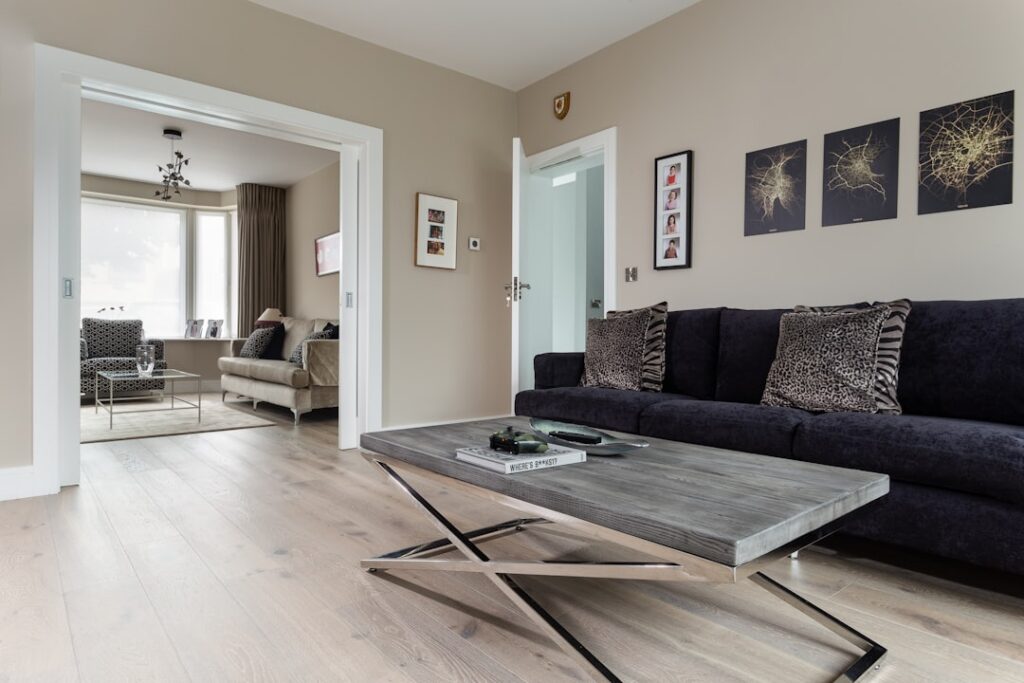
The classic white halo on a coffee table is not a stain in the wood itself — it is moisture trapped between the finish and the wood underneath. That distinction matters because it determines which method actually works. Knowing how to remove water rings from wood starts with telling cloudy white rings (recent, surface) apart from dark black rings (deep, into the grain). White rings come out in 5 to 30 minutes with household items. Black rings often need light sanding and refinishing. Pick the wrong method on the wrong ring and you can melt the lacquer.
- Identify the Ring Type First
- Method 1: The Iron Trick for White Rings
- Method 2: Mayonnaise or Petroleum Jelly
- Method 3: Hair Dryer on Low
- Method 4: Non-Gel Toothpaste with Baking Soda
- Method 5: Salt and Olive Oil Paste
- Method 6: Tackling Dark Black Rings
- Method 7: Commercial Restorers
- Safety Notes for Specific Finishes
- Preventing the Next Ring
- When the Damage Goes Beyond DIY
Identify the Ring Type First
Run a fingernail across the ring. If you feel no texture change but see a milky cloud, the moisture is trapped inside the finish — fixable with heat or oil. If the ring is dark brown or black and you can sometimes feel a slight depression, water has penetrated through the finish and oxidized in the wood fibers. That requires sanding or a refinishing approach.
Method 1: The Iron Trick for White Rings
The fastest fix for fresh white rings on a finished surface uses a household iron. Set the iron to its lowest dry setting — no steam — and place a clean cotton T-shirt or pillowcase over the ring. Press the iron flat for 5 seconds, lift, and check. Repeat in 5-second intervals until the ring fades.
Heat drives moisture back out through the finish. Do not skip the cloth, do not use steam, and do not leave the iron stationary for more than 10 seconds. On lacquer or shellac finishes, excess heat can blister or whiten the finish further. Test on an inconspicuous spot first.
Method 2: Mayonnaise or Petroleum Jelly
For older, more stubborn white rings, fat-based products work because they slowly displace the trapped moisture. Apply a quarter-sized dab of full-fat mayonnaise (not light) directly on the ring and rub gently with a soft cloth. Cover with plastic wrap and leave overnight. Wipe clean in the morning.
Petroleum jelly works the same way and is less likely to leave an oily residue on lighter woods. Allow up to 24 hours for the moisture to migrate out. This method is finish-safe on lacquer, polyurethane, and shellac because no abrasive or solvent is involved.
Method 3: Hair Dryer on Low
For very fresh rings — discovered within an hour of the spill — a hair dryer set to low and held 6 to 8 inches above the ring often clears it in 5 to 15 minutes. Move constantly so heat does not build up in one spot. This is the gentlest heat method and a good first try before reaching for the iron.
Method 4: Non-Gel Toothpaste with Baking Soda
Mix a teaspoon of plain white toothpaste with a teaspoon of baking soda to form a paste. Apply with the grain using a soft cloth and gentle pressure for 30 to 60 seconds. The mild abrasive polishes off micro-damage in the finish that scatters light and creates the white appearance. Wipe clean with a damp cloth and immediately dry.
Skip whitening or gel toothpastes — they contain peroxides and dyes that can stain. This works best on satin and semi-gloss finishes; high-gloss surfaces can show the rubbed area, so test in a hidden corner first.
Method 5: Salt and Olive Oil Paste
For antique or oiled finishes, a paste of one teaspoon kosher salt and a few drops of olive oil restores the surface gently. Rub with the grain for 30 seconds, let sit 10 minutes, then buff with a clean cloth. The salt provides micro-abrasion while the oil refeeds the finish. This pairs especially well with linseed oil and tung oil finishes commonly found on craftsman furniture.
Method 6: Tackling Dark Black Rings
Black rings mean water has reached the wood and oxidized the tannins. Surface methods will not touch them. Try this sequence:
- Apply a 50/50 mix of household white vinegar and warm water with a soft cloth. Let sit 10 minutes, then dry.
- If the ring lightens but persists, dab oxalic acid wood bleach (sold as Bar Keepers Friend or wood-bleach crystals) per label directions. Neutralize with clean water and dry.
- Sand the area lightly with 220-grit sandpaper, going with the grain only.
- Reapply the original finish — polyurethane, lacquer, or oil — feathering edges into surrounding wood.
Plan on 2 to 4 hours total including dry time. For valuable antiques, stop and consult a professional restorer rather than attempting bleach work yourself.
Method 7: Commercial Restorers
Howard Restor-A-Finish ($10 a bottle) blends light pigment, oil, and solvent to camouflage rings on stained finishes. Match the color to your wood — walnut, oak, cherry, mahogany, and golden oak are common shades. Wipe with the grain using extra-fine steel wool 0000, then buff dry. Old English Scratch Cover does similar work on darker woods. Both are weekend-safe DIY options that often outperform homemade pastes on factory-finished furniture.
Safety Notes for Specific Finishes
- Polyurethane: tolerant of heat and oil methods; sands and refinishes well.
- Lacquer: sensitive to heat and alcohol; use the gentlest method first.
- Shellac: dissolves with denatured alcohol — never use alcohol-based cleaners.
- Wax finishes: respond best to fresh wax application after cleaning.
- Oil finishes (Danish, tung, linseed): use the salt-and-oil method, then refresh with the original oil.
Preventing the Next Ring
Most water rings come from cold drinks setting on bare wood for more than 20 minutes. A simple felt-bottom coaster prevents 95 percent of damage. For dining tables, apply a fresh coat of paste wax twice a year — Briwax or Minwax both retail for $12 to $18 per pint. Wax adds a sacrificial layer that absorbs moisture before it reaches the underlying finish. For desks and side tables in humid climates, consider switching to a polyurethane finish during the next refinish cycle. It is far more forgiving than lacquer or shellac.
When the Damage Goes Beyond DIY
If a ring covers more than 4 inches, has gone through the finish into raw wood, or sits on veneer thinner than 1/16 inch, hand the project to a furniture restorer. Refinishing a single tabletop runs $200 to $500 — far cheaper than ruining a $1,500 piece with the wrong product. Knowing how to remove water rings from wood includes knowing when to stop, walk away, and let a professional take it home.


