For decades the rule was simple: keep real wood away from water. HydroPel flooring exists to break that rule. It’s a waterproof hardwood line associated with the Bruce family of brands (part of AHF Products), engineered so a spilled glass of water or a dripping dog paw doesn’t end your floor’s life. If you’ve wanted the look and feel of genuine wood in a kitchen, mudroom, or half-bath but kept choosing vinyl out of fear, this category was built for you. Below is an honest look at what it actually delivers and where it still has limits.
What HydroPel Flooring Actually Is
HydroPel is engineered hardwood, not laminate or luxury vinyl. That distinction matters. Each plank has a real sawn hardwood wear layer bonded to a multi-ply core, so the surface you walk on and refinish (within reason) is authentic timber. The “waterproof” claim comes from a combination of features: a tightened, water-resistant surface finish, sealed plank edges, and a core engineered to resist swelling from surface moisture and humidity swings.
Think of it as a hardwood floor with a raincoat. The protection is built around the perimeter and across the face so that ordinary household spills, wet shoes, and seasonal humidity don’t telegraph into cupping, gapping, or finish failure the way they would on older solid-wood products.
The Real Advantages
The headline benefit is obvious: you get genuine wood in rooms that traditionally meant compromise. A few practical wins stand out.
- Authentic appearance: Because the wear layer is real hardwood, the grain, knots, and color variation look the way buyers expect wood to look. Photos rarely do it justice.
- Spill tolerance: Day-to-day water exposure is the whole point. Wipe up spills promptly and the floor shrugs them off.
- Dimensional stability: The engineered core handles humidity changes better than solid wood, so it’s a smarter pick for basements and homes with big seasonal swings.
- Refinish potential: Depending on the specific product’s wear-layer thickness, light sanding and recoating may be possible, something laminate and most vinyl cannot offer.
The Honest Drawbacks
No floor is perfect, and “waterproof hardwood” comes with fine print. First, waterproof refers to the wood’s resistance to surface water and humidity, not an invitation to leave standing water for hours or to install in a constantly flooded area. Pooled water that reaches seams or sits overnight can still cause trouble.
Second, expect to pay more than vinyl plank. You’re buying real wood plus engineering, so the per-square-foot cost typically lands well above budget LVP. Third, like any hardwood surface it can still scratch and dent from grit, heavy furniture, or pet claws. The waterproofing protects against moisture, not abuse. Finally, the number of refinishes is limited by the wear layer, so it’s not the infinitely renewable surface a thick solid plank can be.
Where It Performs Best
HydroPel-style waterproof hardwood shines in transitional and moisture-prone living spaces rather than true wet zones. The sweet spots include:
- Kitchens, where spills and dropped ice are routine
- Mudrooms and entryways that see wet boots and snowmelt
- Powder rooms and half-baths with occasional splashes
- Basements with reasonable humidity control
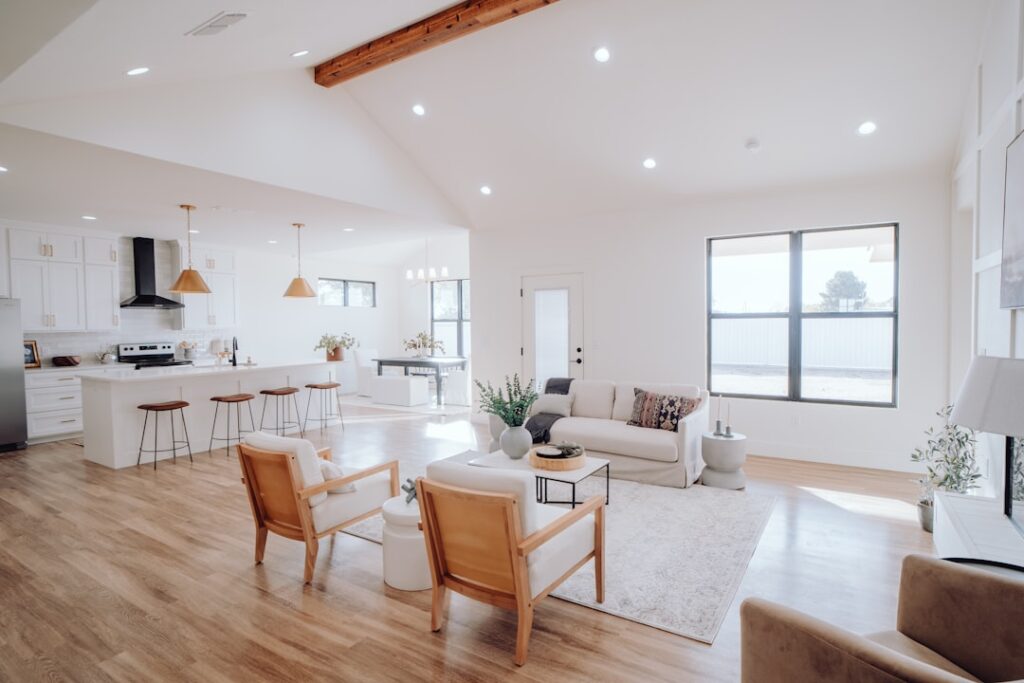
- Open-concept main floors where you want one continuous wood look from living room into kitchen
For a full bathroom with a shower or a laundry room with a floor drain, tile or sheet vinyl is still the safer engineering choice. Waterproof hardwood handles incidental water beautifully; it isn’t designed to live in standing water.
How It Compares to LVP and Laminate
Luxury vinyl plank wins on price and on tolerating standing water. Laminate is cheap and scratch-resistant but its image is a printed photo, and water at the seams remains its classic weak point. Waterproof hardwood like HydroPel sits at the premium end: it costs more than both, but it’s the only one of the three that is genuinely wood underfoot. If resale appeal, authentic feel, and the possibility of refinishing matter to you, the premium can be worth it. If raw value per square foot is the priority, vinyl usually wins.
Installation Notes
Most engineered waterproof hardwood installs as a floating click-lock floor, with some lines also approved for glue-down. A flat, dry, clean subfloor is non-negotiable. Acclimate the planks to the room per the manufacturer’s instructions, usually a couple of days, and check subfloor moisture before you start. The waterproof rating assumes the floor was installed correctly, including the recommended expansion gap at walls and the right underlayment or moisture barrier. Skipping these steps voids both performance and warranty.
If you’re hiring out, ask the installer whether they’ve worked with this specific product. Waterproof engineered lines can have brand-specific locking systems and edge treatments, and a crew that knows the system will get cleaner seams.
What to Verify Before You Buy
Because product specs and warranties shift over time, confirm the details directly with a current dealer or the manufacturer rather than trusting old forum posts. Ask about these points specifically:
- Wear-layer thickness: This determines whether and how many times the floor can be refinished.
- Warranty terms: Read what the waterproof and finish warranties actually cover, the time period, and the conditions that void them.
- Approved rooms and subfloors: Confirm the product is rated for your specific space, especially basements.
- Species and finish options: Color and grain availability vary by collection.
- Current pricing and installation method: Get a written quote that includes materials, underlayment, and labor.
The Bottom Line
HydroPel flooring answers a real frustration: wanting authentic hardwood in the parts of the house where water used to rule it out. It delivers genuine wood character with engineered stability and strong resistance to everyday spills and humidity. The trade-offs are a higher price than vinyl, normal vulnerability to scratches and dents, and a sensible limit on standing water. For kitchens, entryways, and open main floors, it’s a compelling middle path between fragile traditional wood and synthetic planks. Match it to the right rooms, install it correctly, and confirm the current specs with your dealer, and waterproof hardwood can give you the look you want without the constant worry.
Prefer to explore on your own?
See how new flooring looks in your actual room in seconds — free, no signup.
Try the free Floor Studio →