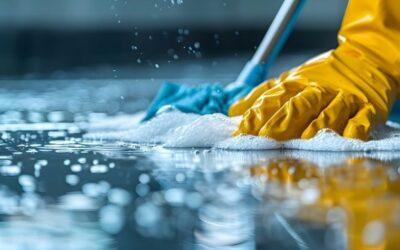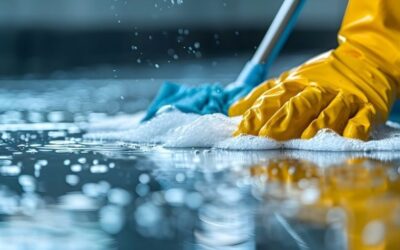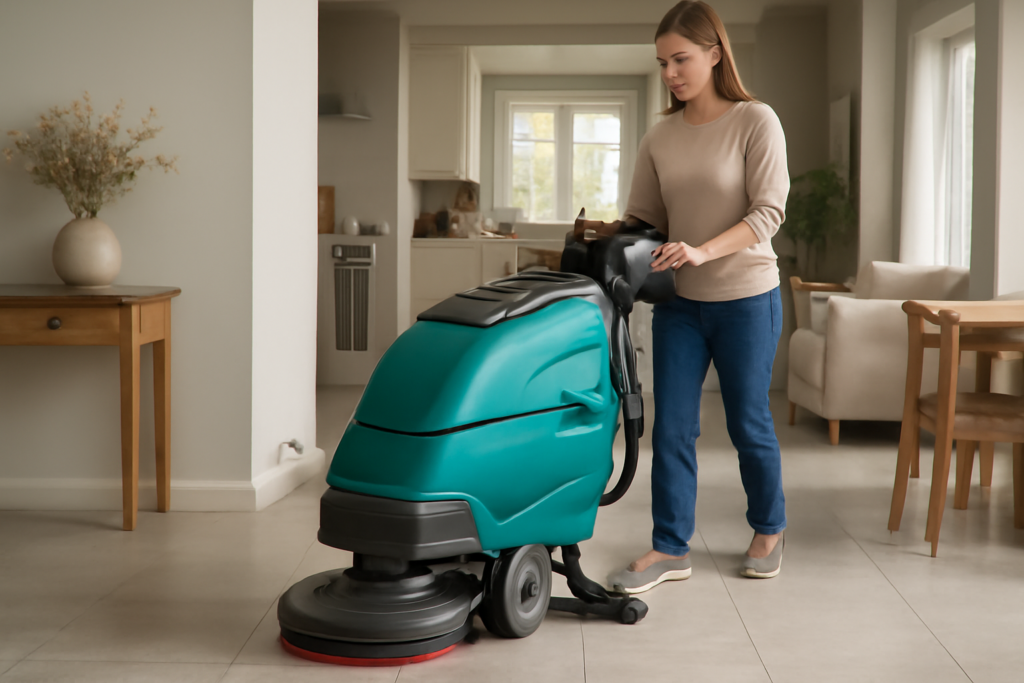
When a mop and bucket just aren’t cutting it, renting the right machine turns a backbreaking all-day chore into a couple of hours of work. An industrial floor cleaner rental gives you access to commercial-grade scrubbers, buffers, and auto-scrubbers that deep-clean large tile, concrete, vinyl, and hardwood floors far more effectively than any consumer product. Whether you are stripping years of grime off a garage slab, refreshing a big tile floor, or prepping a rental property between tenants, this guide covers the machine types, rental costs, where to find them, and how to use one safely.
When Renting Beats Buying or DIY
Industrial floor machines cost hundreds to thousands of dollars to buy, so for a one-time or occasional deep clean, renting makes obvious sense. You get professional results without storing a bulky machine or paying for maintenance. Renting is the smart call when you are tackling a large area (think basements, garages, commercial spaces, or whole-house tile), removing heavy buildup that mopping cannot lift, stripping and refinishing hard floors, or preparing a surface before sealing or coating. For a small kitchen or bathroom, a handheld scrubber or a rented carpet cleaner is usually enough; the industrial machines earn their keep on square footage.
Types of Machines You Can Rent
Rental yards and home centers stock several categories, and matching the machine to your floor and task is critical.
- Floor buffer/polisher (rotary): A single rotating pad that scrubs, strips, buffs, or polishes depending on the pad and solution. Versatile for hard floors, but you follow behind mopping up slurry.
- Auto-scrubber: Dispenses cleaning solution, scrubs with rotating brushes or pads, and vacuums up the dirty water in one pass. The fastest, cleanest option for large hard floors.
- Floor scrubber/stripper: Heavy-duty rotary machines built to strip old wax, sealer, and stubborn buildup from tile and concrete.
- Steam cleaners: Use hot vapor to sanitize and loosen grime on tile and grout without heavy chemicals.
- Pressure washers (for garages/exterior concrete): Blast dirt off durable surfaces, though not for interior finished floors.
Tell the rental counter your floor type and goal, and they will steer you to the correct machine and pads, since the wrong pad or too aggressive a machine can dull or damage a delicate floor.
Industrial Floor Cleaner Rental Cost
Rental pricing depends on the machine and rental period. Expect these rough ranges:
- Floor buffer/polisher: $35 to $70 per day, or roughly $150 to $250 per week.
- Auto-scrubber: $70 to $150 per day, higher for larger walk-behind units.
- Floor stripper/scrubber: $50 to $100 per day.
- Steam cleaner: $40 to $90 per day.
Beyond the base rate, budget for consumables like pads, brushes, and cleaning or stripping solution, which typically add $15 to $50. Many yards also require a deposit and charge for damage or excessive cleaning, so return the machine clean. If your job runs long, weekly rates almost always beat stacking daily charges, so estimate your time honestly before choosing a rental window.
Where to Rent
You have several options, each with trade-offs. Big-box home improvement stores rent buffers and carpet machines by the hour or day, convenient and predictable but with a limited selection. Dedicated equipment rental yards carry the widest range of true industrial machines, including auto-scrubbers and heavy strippers, and their staff tend to know the equipment well. Local janitorial supply companies sometimes rent commercial scrubbers along with the correct pads and solutions, which is handy for matched setups. Call ahead to confirm availability, reserve the machine, and ask what pads and chemicals are included versus sold separately.
How to Use an Industrial Floor Cleaner
These machines are powerful, and using one correctly protects both your floor and your safety. Follow this general sequence:
- Clear and sweep the floor. Remove furniture and debris, then dry-sweep or vacuum so the machine is not grinding loose grit into the surface.
- Confirm the pad and solution. Match them to your floor and task, a scrub pad and neutral cleaner for routine grime, a stripping pad and stripper for old wax. When in doubt, test a small hidden area first.
- Fill and start carefully. Add solution per the machine’s instructions. Rotary buffers pull to the side on startup, so grip firmly and let the machine glide; do not force it.
- Work in sections, overlapping passes. Move steadily and evenly so you do not over-wet or dwell too long in one spot.
- Extract or mop up the slurry. Auto-scrubbers vacuum as they go; with a buffer, follow behind with a wet vac or mop to remove the dirty water before it dries and re-deposits grime.
- Rinse and let dry fully before replacing furniture or applying any sealer or finish.
Safety and Floor-Protection Tips
Wet floors are slick, so wear non-slip shoes and rope off the area from kids and pets. Keep the power cord behind you and out of the water path, and use a GFCI outlet. Never use an aggressive stripping pad or strong chemical on hardwood, laminate, or delicate vinyl without confirming compatibility, since the wrong combination can strip finish or cause water damage. Ventilate the space when using chemical strippers. If you are new to a rotary buffer, practice the side-to-side steering technique in an open area before working near walls and cabinets.
Matching the Machine to Your Floor
The most expensive rental mistake is putting the wrong machine or pad on a floor it can’t tolerate. Sealed concrete, garage slabs, and commercial tile can handle aggressive scrubbing and stripping, so a heavy rotary buffer with a coarse pad is fair game. Glazed ceramic and porcelain tile clean up beautifully with a scrubber and a mild pad, though you’ll want to pay attention to the grout lines, which a rotary machine can polish smooth but won’t scrub deeply into, sometimes a stiff brush attachment or a steam cleaner does better on grout. Vinyl and luxury vinyl plank tolerate light scrubbing with a soft pad and neutral cleaner, but never a stripping pad or harsh chemical that can strip the wear layer.
Hardwood is the floor to be most careful with. A standard floor buffer can be used to screen-and-recoat or to buff a finish, but you must use the correct pad and avoid water pooling on the wood, and you should never run an aggressive scrubber or wet auto-scrubber across a hardwood floor. When you pick up the machine, tell the counter your exact floor type and finish, and ask them to set you up with the right pad and solution rather than assuming a general-purpose setup will be safe. A five-minute conversation at the rental desk prevents a very costly floor-refinishing bill.
Is a Rental Right for Your Job?
An industrial floor cleaner rental is the efficient, cost-effective choice for large or heavily soiled hard floors, wax stripping, and pre-sealing prep, delivering professional results for the price of a day’s rental plus supplies. Match the machine to your floor, budget for pads and solution, reserve ahead, and follow safe operating steps. For small areas or delicate surfaces, a consumer scrubber or professional service may serve you better, but for real square footage and real grime, renting the right machine is hard to beat.
Prefer to explore on your own?
See how new flooring looks in your actual room in seconds — free, no signup.
Try the free Floor Studio →