Ipe is the wood that has been quietly outlasting every neighboring deck and patio in tropical-installed neighborhoods for the last 40 years, often without a single board needing replacement. Ipe wood flooring brings that same legendary durability indoors, with a Janka hardness of roughly 3,680, more than three times harder than red oak and harder than even hard maple by a wide margin. The trade-off is real cost, real installation difficulty, and real environmental questions that anyone considering ipe needs to weigh honestly. When the species is the right pick, nothing else delivers the same hardness, color, and longevity. When it isn’t, the better choice is something else entirely.
What Ipe Wood Actually Is
Ipe (pronounced ee-pay) is a dense tropical hardwood from Central and South America, harvested primarily in Brazil, Bolivia, and Peru. The trees grow slowly, often 100 years or more before reaching harvest size, and the wood develops an extraordinarily tight grain with natural oils that give it weather, decay, and insect resistance unmatched by most other species.
The wood is so dense it doesn’t float in water. A square foot of 3/4-inch ipe weighs about 5 lb. That density is what drives both its incredible durability and its installation difficulty.
Color, Grain, and Visual Appeal
Fresh-milled ipe ranges from olive brown to deep chocolate, often with subtle variations of red, amber, and near-black streaks. Indoors, properly finished ipe holds its rich brown color for years. Outdoors, untreated ipe weathers to a silvery gray within 6 to 12 months unless sealed with a UV-protective oil.
The grain is tight and straight with occasional interlocked figure that creates depth under finish. Knot-free clear grades dominate the market for flooring applications, since defects in such a hard, brittle wood are difficult to work around during install.
Pricing What You’ll Actually Pay
Ipe wood flooring is not cheap. Solid 3/4-inch ipe planks run $7 to $14 per sq ft for materials. Engineered ipe with a 4mm sawn-face veneer over plywood core sits at $9 to $16 per sq ft. Add $5 to $10 per sq ft for installation; ipe destroys cheap saw blades and screws, so labor costs more than typical hardwood.
For a 500 sq ft living room, expect a fully installed cost of $7,500 to $13,000. Compare that to red oak at $4,500 to $7,500 and you’re paying a roughly 50% to 75% premium for the hardness, longevity, and color.
Pros That Justify the Cost
Hardness and durability lead the list. Ipe wood flooring resists denting from dropped objects, pet claws, and heavy furniture better than any commonly available hardwood. The natural oils repel insects (including termites and powderpost beetles) without chemical treatment. Properly maintained, an ipe floor will outlast the structure of most homes; lifespans of 75 to 100 years are realistic.
The wood also takes finish beautifully. A simple penetrating oil deepens the natural color and brings out the grain, and re-oiling every 5 to 10 years keeps the floor looking new. The dense grain takes water-based polyurethane well too, though oil finishes generally look richer on tropical hardwoods.
Cons That Are Worth Knowing
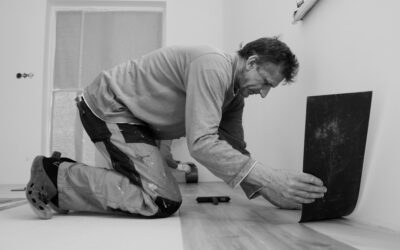
Installation difficulty is the most common complaint. Ipe is so dense that pre-drilling every nail or screw hole is mandatory; skipping pre-drilling causes splits and bent fasteners. Carbide-tipped blades are required for cutting; standard steel blades dull within a few cuts. Stainless steel or hardened nails are necessary; mild steel rusts when it contacts the natural acids in ipe.
Sourcing is the other major issue. Brazilian ipe is on the IUCN endangered species list, and CITES regulations now require permits for international trade. Always buy from FSC-certified suppliers who can document legal harvesting. Ipe sold without certification may be illegally logged and contributes to deforestation.
- Hardness: Janka 3,680 (vs 1,290 for red oak)
- Density: ~70 lb/cu ft, doesn’t float
- Lifespan: 75-100 years indoors
- Cost: $7-$14/sq ft material plus install
Where Ipe Works Best
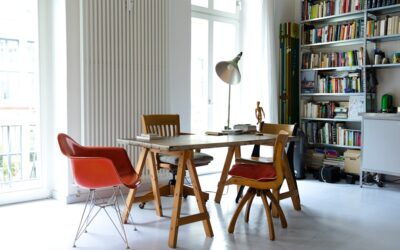
Ipe excels in high-traffic homes with active families, large dogs, or commercial-grade wear demands. The hardness handles dragging chairs, dropped tools, and constant foot traffic without showing wear. It also works beautifully in formal dining rooms, libraries, and entry foyers where the rich color and grain pattern make a strong design statement.
The wood’s natural oils make ipe one of the few species that can reasonably handle higher-humidity environments like sunrooms, screened porches converted to living space, and homes near coastlines.
Where Ipe Doesn’t Make Sense
Skip ipe for radiant heat installations. The dense wood doesn’t transfer heat efficiently, leaving radiant systems working harder for less effect. Skip it for budget projects; the price premium over oak rarely pays off in resale value, and the hardness benefit is wasted in low-traffic rooms.
If sustainability is your top priority, choose FSC-certified North American hardwoods like white oak or hickory instead. Both deliver excellent durability with significantly lower environmental impact than tropical hardwoods.
Installation Tips That Save Heartache
Acclimate ipe planks in the install room for 7 to 14 days. The dense wood absorbs and releases moisture slowly, and rushing acclimation causes seasonal gapping or cupping. Pre-drill every nail and screw hole using a high-quality cobalt or carbide drill bit. Use 16 to 18-gauge stainless steel cleats or trim screws and countersink them to allow plug or wood-filler concealment.
Plan extra time for cutting. A standard 60-tooth carbide blade will cut roughly 200 linear feet of ipe before noticeably dulling. Have backup blades on hand. Wear an N95 mask; ipe dust is irritating to respiratory passages and some workers develop sensitivity to it.
Care and Long-Term Maintenance
Sweep or microfiber-mop weekly. Use a pH-neutral hardwood cleaner monthly. For oil-finished ipe, reapply penetrating oil every 5 to 10 years; the floor will tell you when by losing its slight sheen and feeling slightly drier underfoot. Polyurethane-finished ipe needs full sand-and-refinish less often than oak because the dense surface doesn’t show traffic patterns as quickly. Plan for refinishing every 15 to 25 years rather than every 8 to 10 years like red oak. Done right, ipe wood flooring is one of the few residential floors that can be passed down through multiple generations without ever being replaced.
Prefer to explore on your own?
See how new flooring looks in your actual room in seconds — free, no signup.
Try the free Floor Studio →