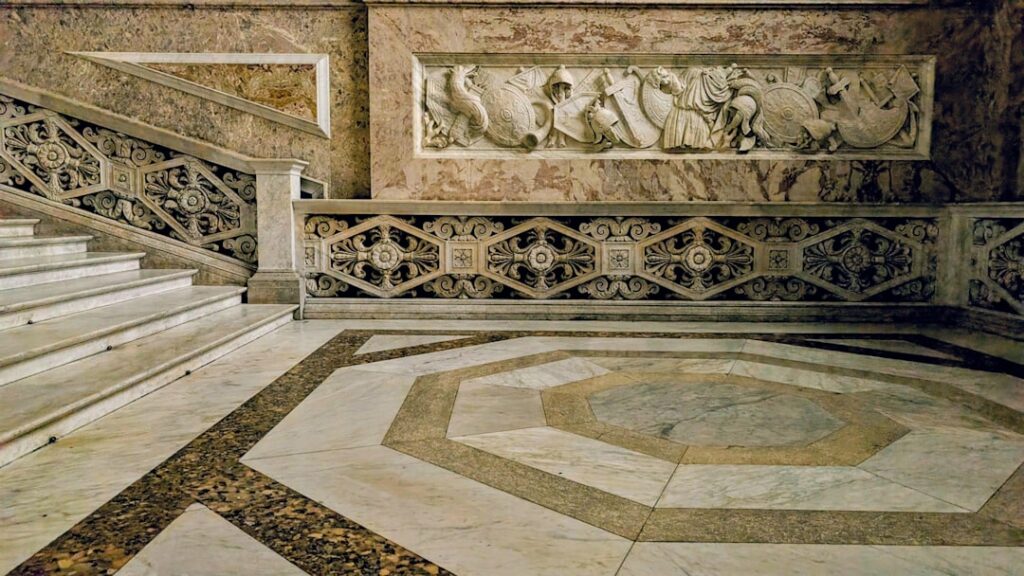
Italian marble flooring represents the pinnacle of luxury in interior design. Quarried from the mountains of Tuscany and other Italian regions, these stones have graced palaces, cathedrals, and the finest homes for centuries. The distinctive veining, luminous surface, and timeless elegance of Italian marble cannot be replicated by any manufactured product. If you are considering this premium natural stone for your home, this guide covers the most popular varieties, costs, installation considerations, and maintenance requirements.
- Why Italian Marble Is Special
- Popular Types of Italian Marble
- Italian Marble Flooring Costs
- Pros of Italian Marble Flooring
- Cons of Italian Marble Flooring
- Where to Install Italian Marble
- Marble Floor Finishes
- Maintaining Italian Marble Floors
- Italian Marble vs Alternatives
- Is Italian Marble Flooring Worth It?
Why Italian Marble Is Special
Italy produces some of the world’s most prized marble varieties thanks to a combination of unique geological conditions and centuries of quarrying expertise. The Apuan Alps in Tuscany, home to the famous Carrara quarries, contain marble deposits that have been mined since Roman times. The stone formed millions of years ago from metamorphosed limestone, and the specific mineral composition and geological pressures in Italian regions produce marble with characteristics found nowhere else.
Italian quarries also benefit from generations of craftspeople who understand how to extract, cut, and finish the stone for maximum beauty. The “Made in Italy” designation on marble carries genuine meaning in terms of quality, consistency, and aesthetic refinement.
Popular Types of Italian Marble
Carrara Marble
Carrara is the most widely available and affordable Italian marble. Quarried from the Carrara region of Tuscany, it features a white to blue-gray base with soft, feathery gray veining. Carrara’s subtle patterning makes it versatile enough for both traditional and contemporary interiors.
Carrara marble is the stone Michelangelo used for his sculptures, including the David. It remains the go-to choice for homeowners who want Italian marble without the top-tier price tag.
Cost: $8 to $20 per square foot for slabs
Calacatta Marble
Calacatta is rarer and more expensive than Carrara. It features a bright white background with bold, dramatic veining in gold, gray, or brown tones. The striking contrast between the white base and the dark veins creates a statement that demands attention.
Calacatta comes from the same Carrara quarries but from specific, more limited deposits. Its scarcity drives the premium pricing.
Cost: $20 to $50+ per square foot for slabs
Statuario Marble
Statuario is the most prestigious Italian marble. Its bright white base with bold gray or gold veining creates a look that is both dramatic and refined. Statuario is extremely rare, with very limited annual production from the quarries. This scarcity makes it the most expensive common Italian marble variety.
Cost: $40 to $100+ per square foot for slabs
Botticino Marble
A warm, creamy beige marble from the Brescia region of northern Italy. Botticino features subtle veining and a consistently warm tone that works beautifully in Mediterranean, traditional, and warm contemporary interiors. It is more durable than white marbles and less prone to showing stains.
Cost: $10 to $25 per square foot
Emperador Marble
While often associated with Spain, Italian Emperador varieties offer rich brown tones with lighter veining. Dark Emperador creates a dramatic, warm atmosphere, while Light Emperador offers a softer, more approachable look.
Cost: $8 to $20 per square foot
Arabescato Marble
Arabescato features a white base with elaborate, flowing veining in shades of gray and sometimes brown. The patterns are more complex and dramatic than Carrara but less bold than Calacatta. It adds movement and visual interest to large floor areas.
Cost: $15 to $35 per square foot
Italian Marble Flooring Costs
Material Costs
Italian marble tile (12×12 to 24×24 inches) for flooring typically costs:
- Carrara: $8 to $20 per square foot
- Botticino/Emperador: $10 to $25 per square foot
- Calacatta: $20 to $50 per square foot
- Statuario: $40 to $100+ per square foot
Installation Costs
Professional marble installation runs $8 to $20 per square foot including setting materials, grout, and sealer. Marble requires experienced installers who understand the stone’s characteristics and can achieve tight, level joints.
Total Project Cost
For a 200-square-foot entryway or bathroom using Carrara marble, expect total costs of $3,200 to $8,000. The same space in Calacatta could run $5,600 to $14,000 or more.
Pros of Italian Marble Flooring
- Unmatched beauty: No manufactured product replicates the depth, luminosity, and character of genuine marble.
- Unique character: Every tile is different. The natural variation creates a one-of-a-kind floor that is genuinely yours.
- Home value: Italian marble flooring significantly increases home appraisal value and buyer appeal.
- Cool surface: Marble stays naturally cool, making it comfortable in warm climates.
- Longevity: With proper care, marble floors last a century or more. Many historic marble floors are still in use after hundreds of years.
- Compatible with radiant heat: Marble works excellently with in-floor heating systems, addressing the cold-floor concern in cooler climates.
Cons of Italian Marble Flooring
- Expensive: Italian marble is a luxury material with luxury pricing.
- Porous: Marble absorbs liquids and can stain if not properly sealed and maintained.
- Etching: Acidic substances (citrus, vinegar, wine, tomato) etch the polished surface, leaving dull marks. This is a chemical reaction, not a stain, and cannot be prevented by sealing alone.
- Scratching: Marble is relatively soft (3 to 5 on the Mohs scale) and scratches more easily than granite or porcelain.
- Maintenance: Requires regular sealing and careful cleaning with pH-neutral products.
- Slippery: Polished marble can be slick when wet. Honed or textured finishes improve traction.
- Cold: Without radiant heating, marble floors feel cold in winter months.
Where to Install Italian Marble
Entryways and Foyers
The grand entrance is marble’s natural home. A marble foyer makes an immediate impression and sets the tone for the entire house. Choose a polished finish for maximum impact or honed for a subtler elegance.
Bathrooms
Marble bathrooms evoke luxury and spa-like tranquility. Use honed marble for better slip resistance on bathroom floors. Seal thoroughly and reseal regularly given the constant moisture exposure.
Living Rooms
In warm climates or homes with radiant heating, marble living room floors create a stunning, cool, and easy-to-maintain surface. Area rugs add warmth and protect high-traffic zones.
Where to Be Cautious
Kitchens are challenging for marble because of the acidic foods and heavy use. If you choose marble in a kitchen, accept that it will develop a patina over time and use honed rather than polished finishes to minimize visible etching. For a lower-risk alternative in kitchens, consider porcelain tile that replicates marble’s appearance or luxury vinyl tile with marble patterns.
Marble Floor Finishes
Polished
High-gloss finish that brings out the full depth and color of the stone. Polished marble is the most visually striking but also the most slippery and most prone to showing etching and scratches.
Honed
Matte or satin finish created by stopping the polishing process early. Honed marble shows less etching and scratching, provides better slip resistance, and offers a more relaxed, contemporary look. Many designers prefer honed marble for floor applications.
Tumbled
Textured, aged appearance created by tumbling the stone in a drum. Tumbled marble has rounded edges and a rustic character that suits Mediterranean, Old World, and cottage styles.
Brushed
Lightly textured surface that provides a tactile quality and subtle grip. Brushed marble is less common for floors but offers a unique look that bridges polished and tumbled aesthetics.
Maintaining Italian Marble Floors
Sealing
Seal marble floors immediately after installation with a quality penetrating stone sealer. Reseal every 6 to 12 months in high-traffic and wet areas, and every 1 to 2 years in other areas. Penetrating sealers allow the stone to breathe while reducing stain absorption.
Daily Care
- Dust mop or sweep daily to remove grit that can scratch the surface.
- Clean with a pH-neutral stone cleaner and warm water. Never use vinegar, lemon juice, bleach, or ammonia.
- Wipe up spills immediately, especially acidic liquids.
- Use soft microfiber mops, never abrasive scrubbers.
Dealing with Etching
Minor etching on polished marble can be buffed out with marble polishing powder and a soft cloth. Severe etching requires professional honing and repolishing. On honed marble, etching is far less noticeable and often blends into the natural matte surface.
Dealing with Stains
Poultice treatments draw stains out of marble. Apply a paste of baking soda and distilled water (for organic stains) or hydrogen peroxide (for oil-based stains), cover with plastic, and let it sit for 24 hours. Repeat if necessary.
Italian Marble vs Alternatives
Italian Marble vs Indian Marble
Indian marble is significantly cheaper but generally features more muted veining and less consistent quality. Italian marble commands a premium for its distinctive patterns, superior finishing, and brand prestige.
Italian Marble vs Porcelain Tile
Marble-look porcelain tile costs a fraction of real marble and requires almost no maintenance. It does not etch, stain, or need sealing. However, it lacks the depth, warmth, and natural variation that make real marble special. For budget-conscious projects, porcelain is the practical choice. For luxury investments, nothing replaces genuine Italian marble.
Italian Marble vs Granite
Granite is harder, more stain-resistant, and less prone to etching than marble. It is the more practical natural stone for kitchens and high-traffic areas. But marble’s softer aesthetic and distinctive veining create a different kind of elegance that granite does not match.
Is Italian Marble Flooring Worth It?
Italian marble flooring is a luxury investment that rewards homeowners who appreciate natural beauty and are willing to invest in maintenance. It is not the most practical or affordable flooring choice, and it requires more care than hardwood, vinyl, or porcelain. But for the right spaces and the right homeowners, there is simply nothing else that compares. The luminosity, the veining, the centuries of prestige, and the unmistakable feel of real stone underfoot create an experience that manufactured materials cannot deliver.
Prefer to explore on your own?
See how new flooring looks in your actual room in seconds — free, no signup.
Try the free Floor Studio →