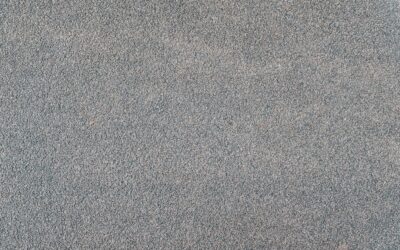
If pure white feels too stark and beige feels too safe, ivory carpet hits the sweet spot with its warm, creamy elegance. That subtle golden undertone makes ivory more forgiving than bright white while still delivering the light, airy, luxurious look homeowners crave. Ivory brightens a room, pairs with nearly any wall color, and hides everyday soil a touch better than its cooler cousin. This guide breaks down the fibers, pile styles, cleaning realities, ideal rooms, and cost so you can choose an ivory carpet that stays beautiful.
What Sets Ivory Apart From White and Beige
Ivory occupies the space between crisp white and true beige. It carries a warm, yellow-to-cream undertone that softens the whole room, reading cozy rather than clinical. Compared to stark white, ivory disguises minor soil and shadowing because the warm base tone masks the faint gray that dust leaves behind. Compared to beige, it stays lighter and brighter, keeping a space feeling open and fresh. That balance is exactly why designers reach for ivory in formal and transitional spaces.
Choosing the Right Fiber
Fiber is the foundation of how your ivory carpet feels, wears, and cleans. Each option carries distinct strengths.
Nylon
Nylon is the durability champion and a smart choice for an ivory carpet that will see regular use. It resists crushing, springs back from furniture dents, and, when treated with a factory stain shield, handles a light color well. Because ivory shows dye-based stains, that built-in protection is worth insisting on. Material typically costs $2 to $5 per square foot.
Polyester
Polyester delivers plush softness and rich, clean color at a friendly price, and it naturally resists water-based stains. Ivory polyester feels wonderful and looks luminous, though it crushes faster than nylon in busy areas. It is ideal for bedrooms and low-traffic rooms. Expect $1 to $3 per square foot for the material.
Wool and Triexta
Wool is the luxury standard, naturally soil-hiding, resilient, and beautifully suited to warm ivory tones, though it costs $5 to $15 per square foot and needs gentle care. Triexta, a newer engineered fiber sold under names like SmartStrand, offers permanent built-in stain resistance and excellent durability, making it a strong middle-ground option for families who want a light carpet without the worry.
Pile Styles and Texture
The way the yarn is cut and twisted changes both the look and how well ivory conceals wear.
- Saxony plush: Dense, smooth, and formal, with a velvety surface that suits elegant living rooms but shows footprints and vacuum marks.
- Textured cut pile: A slightly twisted yarn that reduces visible tracking, the most popular all-purpose choice.
- Frieze: A tightly twisted, casual pile that hides footprints and soil best, ideal if you want low-maintenance ivory.
- Berber loop: Uncut loops that resist crushing and hide dirt, though snags can be a concern with pets.
For most homes, a textured cut pile or frieze in ivory offers the best blend of the warm, luxe look and practical wear concealment.
Keeping Ivory Carpet Looking Fresh
Ivory is more forgiving than white, but it is still a light color that rewards good habits. The warm undertone buys you some grace, not immunity.
Choose a stain-resistant or solution-dyed fiber from the start; the protection is built into the yarn and cannot wear off the way a topical spray does. A shoes-off policy keeps outdoor grime, oils, and grit from grinding into the pile. Vacuum at least twice a week, using a machine with adjustable height so you lift soil without crushing the fibers.
When a spill happens, blot immediately with a clean white cloth, working from the edge inward, and never scrub. A solution of a teaspoon of clear dish soap in a cup of warm water handles most fresh spots. Avoid colored cleaners and harsh chemicals, which can leave their own marks on ivory. Book professional hot-water extraction every 12 to 18 months to refresh the tone and pull out embedded soil the vacuum cannot reach.
Best Rooms for Ivory Carpet
Placement decides how happy you will be with ivory over the long run. It thrives in spaces that stay relatively clean and calm.
Formal living rooms, primary bedrooms, guest rooms, and home offices are all excellent fits, since traffic is moderate and shoes usually stay off. Ivory’s brightness makes a small or north-facing room feel larger and warmer. Staircases in low-traffic parts of the home can work with a durable nylon. Reserve caution for entryways, mudrooms, kids’ playrooms, and homes with large dogs, where a darker or patterned carpet will save you constant cleaning. If you love ivory in a busy space, choose frieze in stain-resistant nylon or triexta.
Decorating Around Ivory Carpet
Ivory is one of the most versatile backdrops in interior design. Its warm undertone bridges cool and warm palettes, so it works with everything from crisp navy and charcoal to soft sage, blush, and camel. Because the floor stays light and quiet, you can introduce richer wall colors and statement furniture without the room feeling heavy. Natural materials like oak, rattan, linen, and brass play especially well against a creamy floor.
Pay attention to how the undertone interacts with your walls. Pair ivory carpet with warm whites, greiges, and earthy paints to reinforce its cozy feel, or set it against cooler grays for a crisp, transitional contrast. As with any light floor, view a large sample under your own lighting, because ivory can pick up subtle casts from nearby walls, curtains, and even a strongly colored ceiling.
Budgeting for Ivory Carpet
Plan for the full installed cost, not just the carpet roll. Material ranges from about $1 per square foot for basic polyester to $15 or more for wool. Add roughly $0.50 to $1.50 per square foot for installation and $0.30 to $0.75 per square foot for a quality pad.
The pad is not the place to economize. A dense 8-pound pad protects the pile, improves the underfoot feel, and extends the life of a light carpet that would otherwise show wear paths. For a mid-grade stain-resistant nylon in a 12-by-15 room, expect a total installed cost of roughly $900 to $1,500. Splurging on fiber quality here pays off, because a durable ivory carpet that resists matting keeps its elegant look far longer than a bargain one.
When comparing samples, check the face weight and twist level in addition to price. A higher face weight, generally 40 ounces per square yard or more, and a tight yarn twist both signal a carpet that will hold its shape and resist matting under regular use. In a light color those qualities matter even more, because a crushed, worn traffic path is far more visible on ivory than on a dark carpet. Investing in construction quality is the surest way to keep your ivory floor looking new.
Frequently Asked Questions
Does ivory carpet show dirt as much as white?
No. The warm cream undertone in ivory masks light soil and dust better than stark white, making it a more forgiving choice while still keeping a room bright and airy.
What is the most durable fiber for ivory carpet?
Nylon offers the best all-around durability and resilience, while triexta provides permanent built-in stain resistance. Both handle a light color better than untreated polyester in busy homes.
How much does ivory carpet cost installed?
Installed cost typically runs $2 to $18 per square foot including material, pad, and labor. A mid-size room often totals $900 to $1,500 depending on the fiber you choose.
Which pile style hides wear best in ivory?
Frieze and textured cut pile hide footprints and soil far better than smooth Saxony plush. Their twisted, irregular surface disguises the tracking that shows on flat, formal piles.
With a stain-resistant fiber, a forgiving frieze texture, and sensible placement, an ivory carpet delivers warm, timeless luxury that holds up beautifully and flatters nearly any room in the house.