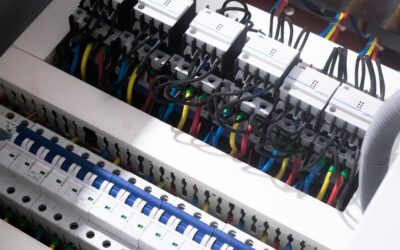
Every wire splice in your home is supposed to live inside a protective enclosure, yet attics and basements across America are full of exposed connections wrapped in nothing but electrical tape. A junction box electrical installation is not optional — it is required by the National Electrical Code (NEC) and exists to prevent fires, shock hazards, and code violations that can void your homeowner’s insurance. Understanding junction boxes helps you identify unsafe wiring in your home and tackle basic electrical projects with confidence.
What a Junction Box Does
A junction box serves three essential functions in an electrical system. First, it contains sparks and heat from wire connections, preventing contact with combustible building materials like wood framing and insulation. Second, it protects wire splices from physical damage. Third, it provides an accessible point for future troubleshooting and modifications — which is why NEC Article 314.29 requires that every junction box remain accessible without removing any part of the building structure.
Any time two or more wires connect, split, or terminate, they must do so inside an appropriate junction box. This includes light fixture connections, switch wiring, outlet feeds, and mid-run splices where circuits branch to different areas of the house.
Types of Junction Boxes
Junction boxes come in various materials, shapes, and mounting styles to suit different installation scenarios:
- Metal boxes (steel): Required for metal conduit systems and commercial applications. Provide grounding continuity through the box itself. Standard 4-by-4-inch square boxes cost $1 to $3 each.
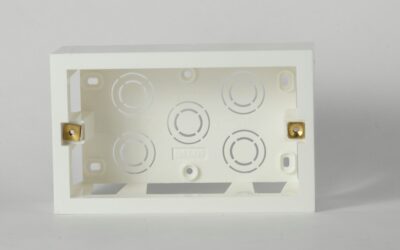
- PVC/plastic boxes: Used with Romex (NM cable) in residential construction. Lighter, easier to install, and do not require a separate grounding connection to the box. Cost $0.50 to $2 each.
- Weatherproof boxes: Die-cast aluminum or PVC with gaskets and sealed covers. Required for any outdoor junction, rated NEMA 3R or higher. Cost $5 to $25 each.
- Round/octagonal boxes: Typically used for ceiling fixtures and wall sconces. Available in 3.5 and 4-inch sizes.
- Square boxes: Offer the most cubic-inch capacity. Standard for mid-run splices where multiple cables converge.
Box Fill Calculations
One of the most common code violations is overfilling a junction box. The NEC specifies exact cubic-inch allowances per conductor based on wire gauge. Overcrowded boxes generate heat, make connections difficult, and increase fire risk.
For 14-gauge wire (used on 15-amp circuits), each conductor requires 2 cubic inches. For 12-gauge wire (20-amp circuits), each conductor needs 2.25 cubic inches. A standard single-gang plastic box provides 18 cubic inches, while a 4-by-4-inch square metal box offers about 21 cubic inches.
Count every wire entering the box, every device (switch or outlet counts as two conductors), every grounding conductor (all grounds count as one), and every cable clamp (all internal clamps count as one). Add the required cubic inches, and if the total exceeds the box capacity, you need a larger box or an extension ring.
NEC Code Requirements
Several NEC articles govern junction box electrical installations. Key requirements every homeowner should know:
- Article 314.16: Box fill calculations as described above
- Article 314.17: Cables must be secured to the box using approved clamps within 8 inches of entry
- Article 314.23: Boxes must be securely mounted to framing or other structural elements
- Article 314.25: All boxes must have a cover plate, whether a blank plate, device plate, or fixture canopy
- Article 314.29: Boxes must remain accessible without removing permanent parts of the building
Buried junction boxes behind drywall or above permanent ceilings violate code and are a serious fire hazard. If you discover one during a renovation, it must be made accessible or relocated.
How to Install a Junction Box
This process applies to adding a junction box for a wire splice in an accessible location like an attic, basement, or garage. Always turn off the circuit breaker and verify power is off with a non-contact voltage tester before beginning.
- Choose a box with adequate cubic-inch capacity for the number of conductors.
- Mount the box securely to a framing member using screws. The front edge should be flush with or slightly proud of the finished wall surface.
- Feed cables into the box through knockout holes. Secure each cable with an approved clamp.
- Strip 6 to 8 inches of cable sheathing and 3/4 inch of wire insulation from each conductor.
- Connect wires using wire nuts (twist-on connectors) or Wago lever nuts. Match colors: black to black (hot), white to white (neutral), bare to bare (ground).
- Fold wires neatly into the box. Install a blank cover plate and secure with screws.
Common Mistakes to Avoid
Loose wire connections cause arcing, which generates temperatures exceeding 10,000 degrees Fahrenheit — hot enough to ignite wood framing instantly. Tug-test every wire nut after installation by pulling firmly on each individual wire. If any conductor pulls free, redo the connection.
Using the wrong box type for the environment is another frequent error. Standard indoor plastic boxes installed outdoors will crack from UV exposure and allow moisture entry. Boxes in damp locations like unfinished basements need weather-resistant covers at minimum.
When to Hire an Electrician
Adding a basic junction box for a splice in accessible space is within reach of a knowledgeable DIYer comfortable working with electrical systems. However, hire a licensed electrician for any work involving the main panel, circuits over 20 amps, aluminum wiring (which requires special connectors), or any junction box electrical installation that requires a building permit in your jurisdiction. Electricians charge $50 to $100 per hour, and a straightforward junction box installation typically takes 30 to 60 minutes of their time. That modest investment buys peace of mind and code compliance that protects your home and family.