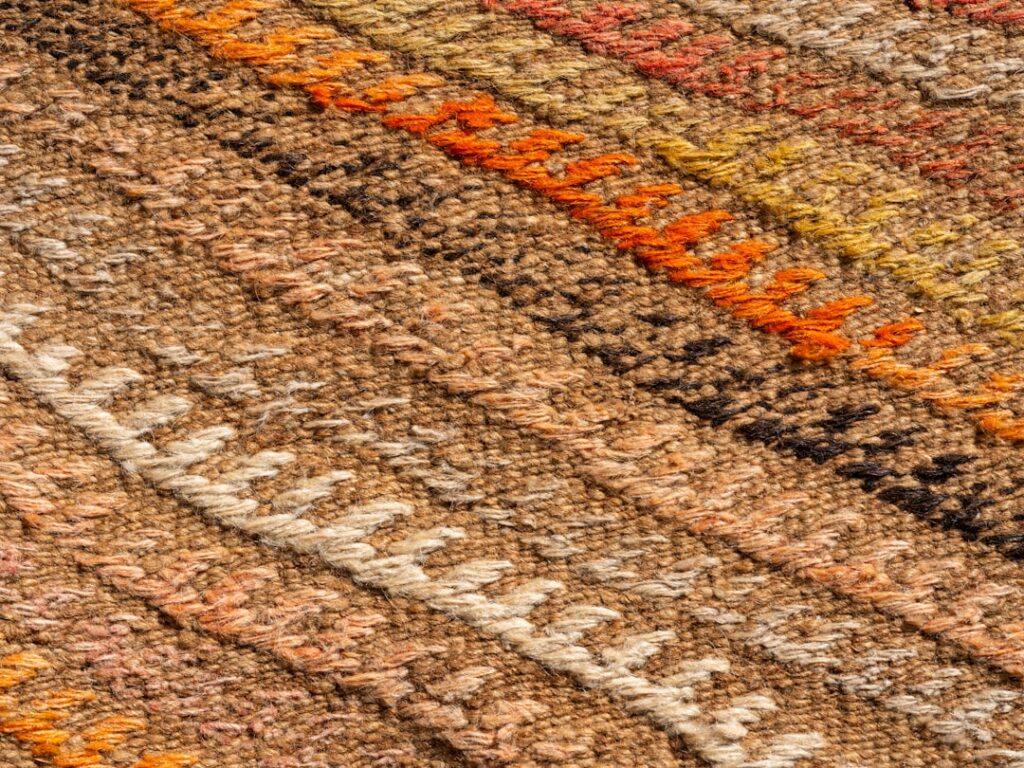
Pair the ropey, earthy texture of jute with the plush resilience of wool and you get one of the most practical natural-fiber floor coverings you can buy. A jute and wool rug combines the affordability and organic look of a plant fiber with the softness, warmth, and stain resistance that wool is famous for. The blend solves the biggest complaint about pure jute, that it feels scratchy underfoot, while keeping the casual, textured style that makes these rugs so easy to decorate around.
Why Choose a Jute and Wool Rug
Each fiber covers the other’s weakness. Jute is harvested from a fast-growing plant, so it is inexpensive, renewable, and delivers that signature braided, natural-toned surface. On its own, though, it is coarse and sheds fibers. Wool brings a soft hand, natural springiness that resists crushing, and a lanolin coating that repels spills long enough to blot them up. Blend them and you get a rug that feels good barefoot, holds up in a busy room, and still reads as relaxed and organic rather than formal.
Wool also adds warmth and sound absorption. In a living room or bedroom, that means a quieter, cozier floor, while the jute content keeps the price well below a pure wool rug of the same size.
Best Rooms and Placement
These rugs shine in low-to-medium traffic living spaces. Living rooms, bedrooms, home offices, and formal dining areas all suit a jute-wool blend. Get the size right and the rug will anchor the room instead of looking like an afterthought.
- Living room: Choose a rug large enough that at least the front legs of the sofa and chairs sit on it. An 8×10 ft rug fits most standard living rooms; go to 9×12 ft for larger, open layouts. Leave 10 to 18 inches of bare floor between the rug edge and the walls.
- Bedroom: Center the rug under the bed so it extends 18 to 24 inches beyond the sides and foot, giving you a soft landing when you step out. A 8×10 ft rug works under a queen; a 9×12 ft suits a king.
- Dining room: Size the rug so chairs stay on it even when pulled out, roughly 24 inches of rug beyond the table on all sides.
Avoid these blends in bathrooms, kitchens, and covered patios. Natural fibers absorb moisture, and jute in particular can develop brown watermarks, mildew, and rot when it stays damp.
Understanding the Blend Ratio
Not all blends behave the same, so check the label for the fiber percentages. A rug that is 70 percent wool and 30 percent jute feels plush and soft, closer to a wool rug with subtle texture. Flip the ratio to 70 percent jute and 30 percent wool and you get a firmer, more rustic surface with pronounced natural fiber character and a lower price.
For a bedroom or a room where you want barefoot comfort, favor higher wool content. For an entry-adjacent living space where you want durability and a casual look and do not mind a firmer feel, a jute-dominant blend makes sense. Construction matters too: hand-woven flatweaves show the jute texture clearly, while hand-tufted versions with a wool pile feel softer and denser.
Caring for a Jute and Wool Rug
Natural fibers reward gentle, consistent maintenance and punish moisture. Follow a simple routine and one of these rugs lasts many years.
- Vacuum regularly with suction only, using the beater bar turned off or a handheld attachment. Aggressive rotating brushes pull loose jute fibers and fuzz the surface.
- Blot spills immediately with a dry white cloth, working from the outside in. Never rub, and never soak.
- Spot clean with a barely damp cloth and a drop of mild wool-safe detergent, then blot dry and aim a fan at the spot so the jute backing dries fast.
- Rotate the rug 180 degrees every few months to even out wear and sun fading.
- Keep it dry. No steam cleaning, no wet extraction, and no leaving it on a damp floor. For deep cleaning, use a professional experienced with natural fibers.
Expect some initial shedding of short jute fibers for the first few weeks; this is normal and slows down with regular vacuuming. A quality rug pad underneath protects the backing, adds cushion, and stops the rug from slipping.
What to Look For When Buying
A little scrutiny at purchase time prevents disappointment. Run your hand across the surface to judge softness against the blend ratio on the label. Check that edges are tightly bound or serged so the jute will not unravel. Look at the backing; a cotton or canvas backing on a tufted rug should be evenly applied without lumps.
Price ranges widely by size and construction. A 5×8 ft blend typically runs $150 to $350, an 8×10 ft rug $300 to $700, and higher wool content or hand-knotted construction pushes prices up from there. Budget another $30 to $80 for a felt or felt-and-rubber rug pad sized about 1 inch smaller than the rug on each side.
Jute and Wool vs. Other Natural Fiber Rugs
Shoppers often weigh a jute-wool blend against pure jute, sisal, or seagrass. Knowing how they differ helps you spend confidently.
- Pure jute: Softer and cheaper than sisal but coarse and prone to shedding. The wool in a blend fixes the scratchy feel and reduces fuzzing, which is why the blend is worth the modest price bump.
- Sisal: Extremely durable and stiff, great for hallways but hard underfoot and difficult to clean. A jute-wool blend is far more comfortable for a bedroom or living room.
- Seagrass: Naturally stain resistant and smooth but nearly impossible to dye, so color options are limited. Wool content in a blend opens up richer colors and patterns.
- Pure wool: The softest and most resilient, but two to three times the price of a blend. The jute content brings the cost down while keeping much of the comfort.
For most homeowners, the jute-wool blend lands in the value sweet spot: more comfortable than sisal or seagrass, more durable and refined than pure jute, and far friendlier on the wallet than an all-wool rug.
Durability and What to Expect Over Time
Set realistic expectations and you will be happy for years. In a low-to-medium traffic room, a well-made blend holds up for eight to twelve years. The wool pile resists crushing and springs back after furniture is moved, while the jute foundation keeps the rug flat and stable. Over time you may notice gentle softening of the surface and slight fading if the rug sits in direct sun, both of which even out with regular rotation. High heels, pet claws, and dragged furniture are the real enemies; a felt rug pad and a no-shoes habit dramatically extend the life. If a spot gets crushed, a light misting of water and a gentle brush with the pile usually revives it once dry.
Common Mistakes to Avoid
Two errors cause most regret. The first is buying too small; a rug that floats in the center of the room with all furniture off it makes the space feel disjointed. The second is water exposure. People try to clean a spill by dousing the rug, and the jute backing wicks the moisture, dries slowly, and stains brown or grows mildew. Blot, do not soak, and keep these rugs out of wet zones entirely.
Final Thoughts
A jute and wool rug gives you the best of two natural fibers: the affordable, textured, eco-friendly character of jute softened by the warmth, resilience, and easy stain resistance of wool. Match the blend ratio to the room, size it generously so furniture sits partly on top, vacuum gently, and keep it far from moisture. Do that and you will have a handsome, hard-wearing rug that grounds a living room or warms a bedroom for a decade or more.