Cabinets cover more visual surface area than any other element in your kitchen, which is exactly why updating them transforms the room more dramatically than new countertops or floors ever could. The best kitchen cabinet renovation ideas range from a weekend coat of paint to a full custom rebuild, and the right choice depends entirely on your budget, your cabinet condition, and how long you plan to stay. The encouraging part is that you do not need to gut your kitchen to get a fresh, modern look. Here are proven ideas at every price point, plus the real costs so you can plan with confidence.
- Decide First: Refinish, Reface, or Replace
- Paint: The Highest-Impact Budget Move
- Two-Tone and Accent Strategies
- Hardware: Small Change, Big Difference
- Open Shelving and Glass Fronts
- Smart Interior Storage Upgrades
- Modernizing the Cabinet Style
- Don't Forget the Countertops and Backsplash
- DIY Versus Hiring a Pro
- Matching the Idea to Your Budget
- Final Takeaway
Decide First: Refinish, Reface, or Replace
Every cabinet project starts with this fork in the road, and it sets your entire budget.
- Refinishing (painting or staining): Keeps your existing boxes and doors, changing only the finish. The cheapest path, roughly $1,000 to $4,000 for a pro, or a few hundred in materials as a DIY project.
- Refacing: Keeps the cabinet boxes but installs new doors, drawer fronts, and a matching veneer on the exposed sides. Typically $4,000 to $10,000.
- Replacing: All-new cabinetry. The most expensive and disruptive, often $10,000 to $30,000 or more depending on materials.
If your cabinet boxes are structurally sound, refinishing or refacing delivers most of the visual payoff at a fraction of the cost of replacement.
Paint: The Highest-Impact Budget Move
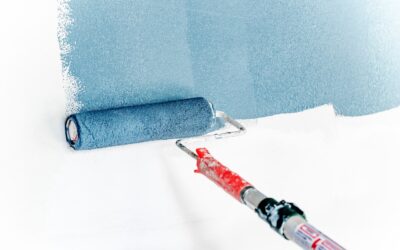
A fresh paint color is the single most cost-effective cabinet upgrade. White and off-white remain timeless and brighten small kitchens, while deep, moody tones are having a strong moment. Consider a navy, forest green, or charcoal on the lower cabinets paired with a lighter upper to add depth without overwhelming the room.
The results depend on prep, not paint. Clean off every trace of grease, sand the surfaces, prime with a bonding primer, and use a durable cabinet-grade or alkyd enamel applied with a fine roller or sprayer. Rushing the prep is the number-one reason DIY cabinet paint jobs peel within a year. Done right, painted cabinets hold up for many years.
Two-Tone and Accent Strategies
Two-tone kitchens have moved from trend to staple. Pairing darker base cabinets with lighter uppers grounds the room and feels intentional. Another popular approach is making the island a contrasting color or wood tone, turning it into a natural focal point.
You can also reserve a bold color or a natural wood finish for a single bank of cabinets, a pantry wall, or open shelving, while keeping the rest neutral. The contrast adds personality without committing the whole kitchen to a strong color.
Hardware: Small Change, Big Difference
Swapping cabinet knobs and pulls is the fastest, cheapest update on this list, often under $200 for a whole kitchen, and the visual change is surprisingly large. Current favorites include:
- Matte black for a clean, modern contrast on light cabinets.
- Brushed brass or gold for warmth and a touch of luxury.
- Long, sleek bar pulls for a contemporary look, or cup pulls for a more traditional feel.
Mixing finishes thoughtfully, such as black pulls with brass knobs, can look custom when done with restraint. Just keep the overall palette cohesive with your faucet and lighting.
Open Shelving and Glass Fronts
Removing a few upper cabinet doors in favor of open shelving lightens a kitchen visually and creates space to display dishes and décor. Glass-front doors offer a middle ground, keeping items dust-free while breaking up a solid run of cabinetry. Reserve these for the items you actually want on display, and pair them with neutral, organized contents so the look stays clean rather than cluttered.
Smart Interior Storage Upgrades
The most life-changing cabinet renovations often happen on the inside. Retrofitting your existing boxes with smart organizers makes the kitchen function dramatically better:
- Pull-out drawers in base cabinets so you never crawl to reach the back.
- Lazy Susans or corner pull-outs to reclaim dead corner space.
- Vertical dividers for baking sheets and cutting boards.
- A pull-out trash and recycling cabinet to hide the bins.
- Drawer inserts and spice racks for tidy, visible storage.
These upgrades are modest in cost but pay you back every single day you cook.
Modernizing the Cabinet Style
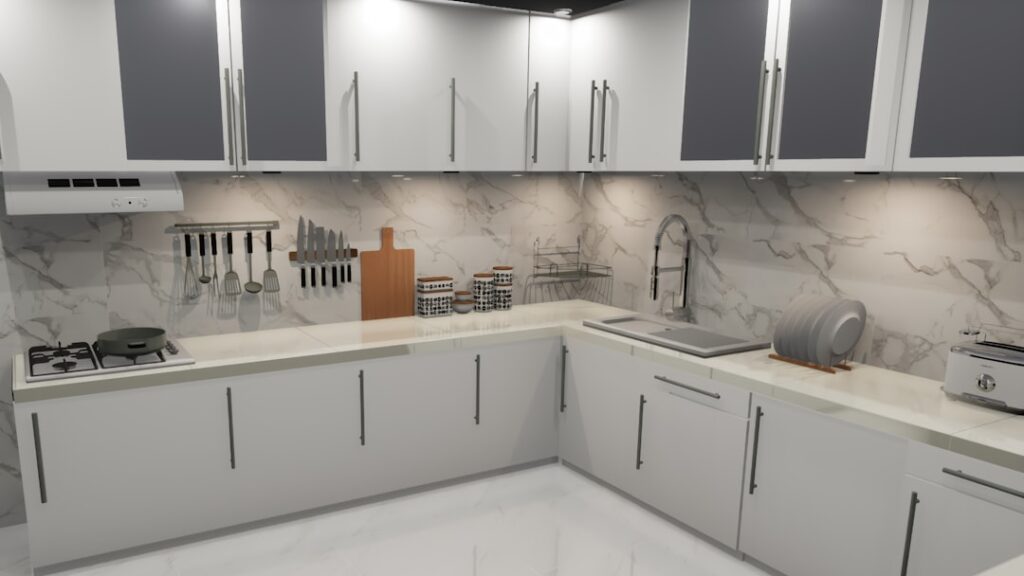
If your doors are dated, refacing lets you change the door style entirely. Shaker doors, with their simple recessed center panel, are the most versatile and popular choice, working in both modern and traditional kitchens. For a sleeker, ultra-modern look, flat slab doors with no detailing and concealed or integrated handles create a seamless, handle-free facade. Adding under-cabinet lighting and extending uppers to the ceiling are two finishing moves that make a renovated kitchen feel custom.
Don’t Forget the Countertops and Backsplash
Cabinets never live in isolation, and a renovation looks unfinished if the surfaces around them clash. When you change your cabinet color or door style, take a moment to evaluate the countertop and backsplash. Sometimes a simple backsplash refresh, swapping a dated tile for a clean subway or a large-format slab look, is the finishing touch that makes new cabinet paint read as a full remodel. Coordinate your hardware finish with the faucet and pendant lights too, so the whole kitchen feels intentional rather than pieced together over time.
DIY Versus Hiring a Pro
Painting cabinets is achievable for a patient DIYer, but be honest about the time involved. A proper job means removing every door and drawer, labeling them, cleaning off years of grease, sanding, priming, and applying multiple thin coats with full drying time between each, often a full weekend or two of work. Skipping steps is why so many DIY paint jobs peel. Refacing and full replacement, by contrast, generally call for a professional, since they involve precise measuring, veneer work, and hanging doors perfectly level. A reasonable middle path is to do the cosmetic painting and hardware yourself and hire out the structural or carpentry work. Match the job to your skills, your tools, and the time you can realistically commit.
Matching the Idea to Your Budget
For a tight budget, paint plus new hardware delivers the biggest transformation for the least money, often under $1,000 in materials. With a mid-range budget, refacing with new Shaker doors, fresh hardware, and a few pull-out organizers modernizes the kitchen without the disruption of a full tear-out. With a larger budget and cabinets that are failing structurally, full replacement lets you reconfigure the layout, add taller uppers, and choose premium materials. Always weigh the spend against how long you plan to stay; a cosmetic refresh recoups its cost better than a full remodel if you may sell soon.
Final Takeaway
The strongest kitchen cabinet renovation ideas share one trait: they match the level of work to the actual condition of your cabinets and the realities of your budget. Sound boxes only need paint, hardware, and smart interior organizers to feel new. Dated doors call for refacing, and only truly worn-out cabinetry justifies full replacement. Start with the highest-impact, lowest-cost moves, paint and hardware, and you may find your kitchen looks renovated long before you have spent a renovation budget.