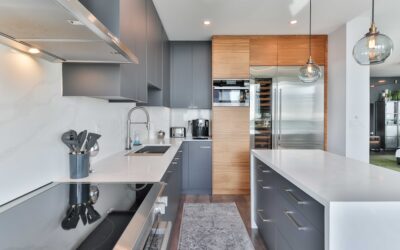
Unlike paint, which hides the wood entirely, stain lets the grain show through while adding color and depth, and that is exactly why so many homeowners prefer it for real-wood cabinets. Choosing among the many kitchen cabinet stain colors means balancing the tone you want against the wood species you have, because the same stain can look wildly different on oak versus maple. From pale natural finishes that keep a kitchen bright to deep espresso tones that feel rich and modern, this guide walks through the most popular stain colors, how wood type changes the outcome, and how to apply stain for a smooth, professional result.
- How Wood Species Changes the Color
- Light and Natural Stain Colors
- Medium and Warm Stain Colors
- Dark and Dramatic Stain Colors
- Matching Stain to Your Kitchen's Style
- How to Apply Cabinet Stain for a Pro Finish
- Stain vs. Paint for Kitchen Cabinets
- Caring for Stained Cabinets
- Gel Stain: An Easier Option
- The Bottom Line
How Wood Species Changes the Color
Before you fall for a stain sample, understand that the wood underneath drives the final look as much as the stain itself. A stain on a swatch of pine will not match the same stain on your oak cabinets.
- Oak: strong open grain that absorbs stain unevenly and shows pronounced grain lines, great for rustic and traditional looks
- Maple: tight, smooth grain that can blotch with dark stains, so it needs a conditioner first; takes light stains beautifully
- Cherry: rich reddish tone that deepens with age, gorgeous with warm stains
- Hickory: dramatic light-and-dark variation that stays lively even under stain
- Birch: affordable, smooth, and can mimic pricier woods with the right stain
Always test your chosen stain on a hidden part of an actual cabinet or a matching scrap before committing to the whole kitchen.
Light and Natural Stain Colors
Light stains keep a kitchen feeling open, airy, and current. They show off the natural grain while adding just a hint of warmth or protection.
Natural and Clear
A clear or natural finish barely changes the wood color, letting the true tone shine. This works beautifully on maple and birch for a clean, Scandinavian-inspired look and keeps small kitchens feeling larger.
Honey and Golden Oak
Warm golden tones remain a classic, especially on oak. Honey stains give a welcoming, traditional feel and hide minor wear well. They pair nicely with warm countertops and cream walls.
Weathered and Gray Wash
For a modern farmhouse or coastal vibe, gray and weathered stains have surged in popularity. A driftwood or gray wash tones down yellow undertones and gives cabinets a soft, contemporary look that pairs with white and blue accents.
Medium and Warm Stain Colors
Medium stains strike a balance, adding richness without going dark. Provincial and chestnut tones bring out grain depth while keeping a kitchen warm and inviting. A medium walnut stain suits a wide range of cabinet styles and hides fingerprints and everyday grime better than very light finishes. These mid-tones are among the most versatile kitchen cabinet stain colors because they flatter both warm and cool countertop choices.
Dark and Dramatic Stain Colors
Dark stains make a bold, upscale statement and have real staying power. They create contrast against light counters and backsplashes and hide wear well, though they can make a small kitchen feel closer, so pair them with good lighting.
- Espresso: a near-black deep brown, sleek and modern, the go-to for contemporary kitchens
- Dark walnut: rich brown with subtle warmth, timeless and elegant
- Jacobean: a deep brown with cool undertones that reads sophisticated
- Ebony: essentially black, dramatic on an island against white perimeter cabinets
Dark stains show dust and water spots more readily, so they reward a quick daily wipe. On open-grain oak, a dark stain emphasizes the grain lines strikingly; on smooth maple, it reads more uniform.
Matching Stain to Your Kitchen’s Style
Let the overall look guide your choice. A traditional kitchen calls for warm honey, chestnut, or cherry tones. A modern space suits espresso, gray wash, or a clean natural finish. Farmhouse kitchens lean on weathered grays and medium warm browns. Rustic and cabin styles love the strong grain of oak or hickory under a medium stain. Also consider your counters and floors; you generally want the cabinet stain to either coordinate with or deliberately contrast the flooring rather than nearly matching it, which can look muddy.
How to Apply Cabinet Stain for a Pro Finish
Staining cabinets well is about preparation and patience. Rushing shows. Follow this sequence:
- Remove doors and hardware and label everything so it goes back correctly.
- Strip or sand the existing finish down to bare wood so the stain can penetrate.
- Sand progressively with finer grits, ending around 150 to 180 grit, and wipe off all dust.
- Apply wood conditioner on blotch-prone woods like maple, pine, and birch to ensure even absorption.
- Apply the stain with a brush or cloth, working with the grain, then wipe off the excess after a few minutes; the longer it sits, the darker it gets.
- Let it dry fully, then apply a second coat if you want a deeper tone.
- Seal with a clear topcoat like polyurethane for durability, applying two or three thin coats and sanding lightly between them.
The topcoat is non-negotiable in a kitchen. Stain alone offers no protection against grease, water, and daily handling, so a good clear finish is what makes the cabinets durable and wipeable.
Stain vs. Paint for Kitchen Cabinets
Many homeowners weigh stain against paint, and the right choice depends on your cabinets and your goals. Each has clear strengths:
- Stain shows off real wood grain, hides minor scratches within the grain, and is easier to touch up, but it only works on quality solid wood or wood veneer
- Paint offers unlimited color, hides grain and imperfections, and works on almost any surface, but chips reveal the material underneath and are harder to blend
- Gel stain bridges the two, adding rich color over an existing finish with far less prep
If you have beautiful oak, cherry, or maple cabinets, stain honors that natural material. If your cabinets are a plain grain you would rather hide, or you want a bold color like navy or sage, paint is the better path. Stain generally cannot lighten wood, only add tone, so going from a dark cabinet to a light one usually requires stripping and bleaching or switching to paint.
Caring for Stained Cabinets
Once your cabinets are stained and sealed, a little routine care keeps them looking rich for years. Wipe spills promptly, since standing water and grease can eventually work through a worn topcoat. Clean with a soft cloth and a mild, non-abrasive cleaner rather than harsh chemicals that can dull the finish. Avoid excess water and never let cleaner pool along the bottom edges of doors near the sink and dishwasher, where moisture damage shows first. Every few years, inspect the clear topcoat in high-use areas like around the handles and above the stove, and refresh it before the stain itself is exposed. Because stain penetrates the wood, minor surface scratches often blend in far better than they would on painted cabinets, and a matching stain marker touches up the occasional deeper nick in seconds. This forgiving nature is a big reason many homeowners prefer stained cabinets in a busy kitchen.
Gel Stain: An Easier Option
If stripping cabinets to bare wood sounds daunting, gel stain is worth knowing about. It sits on the surface rather than deeply penetrating, which lets you stain over an existing finish with minimal sanding. Gel stain is thick, controllable, and forgiving, making it popular for refreshing dated oak cabinets to a richer tone without a full strip-down. It still needs a protective topcoat, but it cuts the prep dramatically.
The Bottom Line
The right kitchen cabinet stain colors depend as much on your wood species as on the shade itself, so always test on your actual cabinets first. Light naturals and gray washes keep a kitchen bright and modern, warm honey and chestnut tones feel traditional and inviting, and espresso or ebony deliver dramatic, upscale contrast. Prep thoroughly, use a conditioner on blotch-prone woods, and always seal with a clear topcoat for durability. Whether you strip to bare wood or take the shortcut with gel stain, a careful finish will transform your cabinets and let the natural beauty of the grain shine for years.