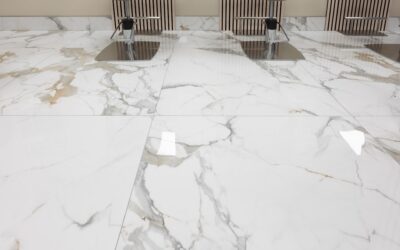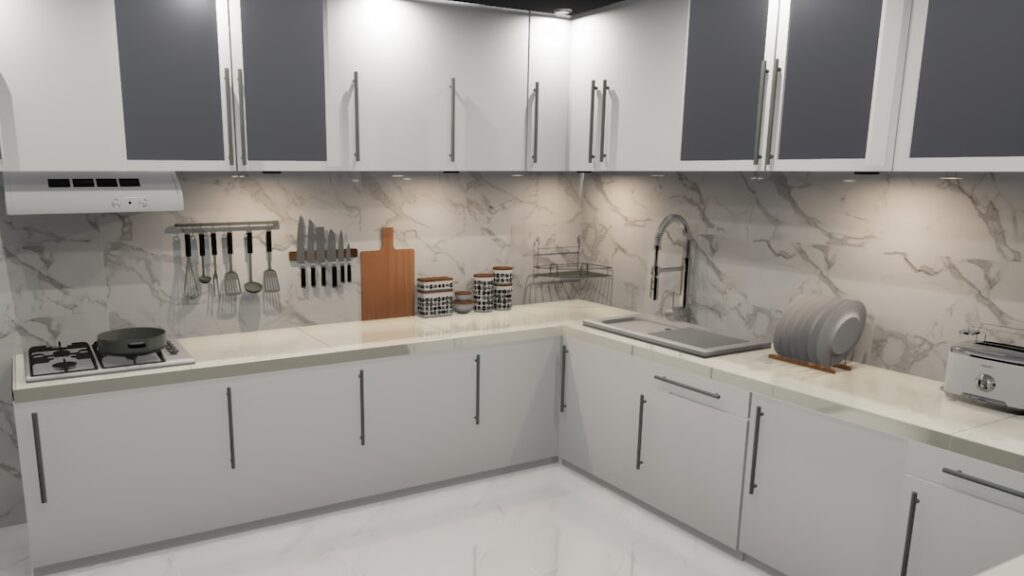
If you cannot tear out the ugly laminate counters in your rental—or you cannot stomach the $4,000 price tag of replacing dated tile counters in a kitchen you plan to remodel “someday”—a cover is the practical middle path. Kitchen counter covers range from $20 peel-and-stick rolls to $1,500 stone overlay slabs, and the gap in durability is just as wide. The right choice depends on whether you own or rent, how long you need the fix to last, and how much heat and water exposure the counters actually face.
Why Cover Counters Instead of Replacing Them
Full countertop replacement runs $3,000 to $8,000 for an average kitchen, including demo, fabrication, and installation. Covers cost a fraction—usually 5 to 25% of the replacement price—while delivering 1 to 10 years of improved appearance. For renters, covers are often the only option since permanent changes violate most leases. For homeowners planning a future remodel, a $300 cover that buys three years of better looks is hard to beat.
The trade-off is durability. No cover matches a properly installed quartz or granite slab. Knives, hot pans, and standing water all defeat lower-cost covers in months rather than years. Pick the cover that matches the use, not just the lowest price.
Peel-and-Stick Vinyl Film
The most popular and least expensive option. Brands like d-c-fix, RoomMates, and Yenhome sell adhesive vinyl rolls printed to look like marble, granite, butcher block, or concrete.
- Cost: $20 to $80 per kitchen.
- Lifespan: 6 months to 2 years in heavy-use kitchens; longer in light-use rentals.
- Best for: Renters, short-term fixes, staging a home before sale.
- Weaknesses: Bubbles around faucet cutouts, peels at seams, scratches from cutting boards and pots.
For best results, clean the counter with isopropyl alcohol, dry completely, apply slowly using a squeegee to push out air bubbles, and trim with a fresh utility knife. Seal edges with a clear silicone caulk to slow water infiltration.
Epoxy Resin Overlays
A two-part liquid epoxy is poured directly over existing counters and self-levels into a glossy, stone-like finish. Kits from Stone Coat Countertops, Leggari, and Giani run $150 to $500 per kitchen.
- Cost: $150 to $500 in materials; DIY labor 2 to 3 weekends.
- Lifespan: 5 to 10 years with proper application.
- Best for: Homeowners willing to commit a weekend to prep, application, and 72-hour cure time.
- Weaknesses: Yellowing under prolonged UV exposure, scratches over time, and very unforgiving of application mistakes (drips, bubbles, dust).
Epoxy is heat-resistant up to about 150°F, which means hot pans straight from the stove still leave marks. Always use trivets. The finish is fully food-safe once cured and survives daily use better than any peel-and-stick product.
Stone Overlay Slabs
Companies like Granite Transformations and Cambria Sequel offer 1/4-inch thick quartz or granite slabs that bond directly over existing laminate or tile. Installation typically takes one day with minimal demo.
- Cost: $50 to $90 per sq ft installed; $1,500 to $4,000 for a full kitchen.
- Lifespan: 20 to 30 years.
- Best for: Homeowners who want a near-permanent upgrade without full demo.
- Weaknesses: Higher cost than other covers, and edge profiles are limited compared to full-slab installation.
This is the closest you can get to real stone counters without removing the existing surface. Performance and appearance match traditional stone closely, and the warranty typically runs 15 to lifetime.
Contact Paper and Removable Decals
A subset of peel-and-stick but worth distinguishing. Contact paper is thinner, cheaper, and intended for cabinet shelves rather than countertops. It rarely lasts more than 3 to 6 months on counters before peeling, bubbling, or staining.
Skip contact paper for actual counter coverage. The savings of $5 to $10 per roll evaporate when you have to reapply every season.
Cutting Boards and Sheet Toppers
For renters who want a removable solution, large butcher block or bamboo sheets sized to cover ugly counters work surprisingly well. A 24×36 inch butcher block from John Boos or IKEA runs $80 to $180. Lay two or three across a 6-foot run, secure with non-slip rug pads, and you have a functional and removable upgrade.
The advantage is zero damage to the underlying counter and easy removal at move-out. The disadvantage is the seams between boards, which catch crumbs and look obviously sectioned.
Tile-Over-Tile Installation
For existing ceramic tile counters, you can sometimes apply new tile directly over the old surface using thinset mortar and a tile backer. This requires that the existing tile be firmly bonded and level.
- Cost: $400 to $1,200 in materials and supplies for a typical kitchen.
- Lifespan: 15 to 25 years.
- Best for: DIYers comfortable with tile work and homeowners who like the tile look.
- Weaknesses: Raises counter height by 1/2 inch or more, which can interfere with appliances; grout lines still need ongoing sealing.
Painting Existing Counters
Specialty paints from Rust-Oleum (Countertop Transformations) and Giani offer a cheap intermediate option at $80 to $150 per kit. The process involves a base coat, decorative chips or sponging, and a topcoat sealer. Results are mixed—the finish looks reasonable from a distance but shows wear within 1 to 3 years.
Painted counters work best as a 1- to 2-year holdover, not a permanent fix. Hot pans still leave marks, water rings appear around faucets, and the surface eventually develops cloudy spots.
Picking the Right Cover for Your Situation
For renters in a 6- to 24-month lease, peel-and-stick vinyl film at $30 to $80 is the obvious pick. For homeowners planning to remodel in 1 to 3 years, painted finish or epoxy kits in the $100 to $400 range bridge the gap. For long-term fixes that you want to last a decade or more without a full demo, stone overlay slabs at $1,500 to $4,000 are the only option that holds up to daily real-world abuse.
Whatever route you choose, prep matters more than the product. Clean thoroughly, sand if required, and follow the manufacturer’s cure or set times exactly. Most cover failures trace back to rushed application, not bad materials.