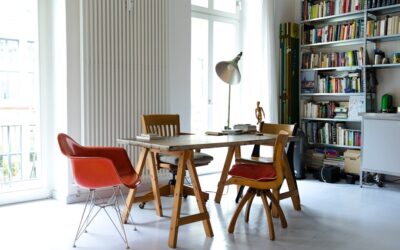
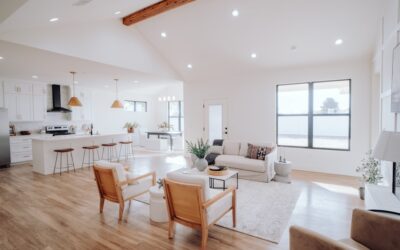
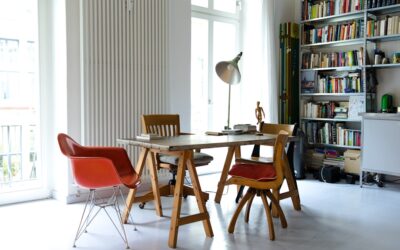
The kitchen floor sets the visual foundation for the most-used room in your home. It needs to handle spills, foot traffic, dropped utensils, and the occasional cooking disaster while still looking beautiful. The best kitchen floor ideas for 2026 balance durability with design — and the options available today are more diverse and visually impressive than ever before.
- Wood-Look LVP — The Most Popular Kitchen Floor in 2026
- Large Format Porcelain Tile
- Herringbone Pattern Flooring
- Encaustic and Patterned Tile
- Polished Concrete
- Terrazzo-Look Flooring
- Dark vs Light Kitchen Floors
- Open-Concept Floor Continuity
- Kitchen Floor Ideas by Kitchen Style
- Kitchen Flooring Material Comparison
- Frequently Asked Questions
This guide covers the most popular kitchen floor ideas trending right now, organized by material, pattern, and kitchen style. Whether you are designing a modern open-concept kitchen, a farmhouse-inspired space, or a traditional cook’s kitchen, you will find the right flooring approach here.
While you’re upgrading the kitchen floor, it might be a good time to rethink the seating too. Swapping out old bar stools is one of those small changes that makes the whole room feel more pulled together.
We may earn a commission when you purchase through our links.
Wood-Look LVP — The Most Popular Kitchen Floor in 2026
Luxury vinyl plank (LVP) with a wood-grain appearance has become the dominant kitchen flooring choice in North America, and its popularity continues to grow in 2026. The combination of waterproof performance, realistic wood visuals, comfortable underfoot feel, and moderate cost makes wood-look LVP unbeatable for most kitchen applications.
Why LVP dominates kitchens: Kitchens see water from cooking, dishwashing, pet bowls, and the occasional plumbing leak. LVP is 100% waterproof — water can sit on the surface indefinitely without causing damage. This eliminates the constant anxiety that comes with real hardwood in kitchens. Meanwhile, modern SPC (stone polymer composite) LVP features high-definition printing and embossed-in-register textures that replicate the look and feel of real wood with remarkable accuracy.
Trending LVP looks for kitchens in 2026:
- Wide and long planks (9″ x 60″) — extra-wide planks create a premium, open feel with fewer seam lines
- White oak look — natural, light tones with visible grain are the most requested wood-look LVP color
- Matte finish — low-sheen, natural-looking finishes have replaced the glossy, plasticky LVP of previous years
- Mixed-width planks — combining different plank widths in the same floor creates a more authentic hardwood appearance
Cost: $3 to $7 per square foot for materials, $5 to $11 per square foot installed. For a typical 150-square-foot kitchen, expect $750 to $1,650 installed.
Large Format Porcelain Tile
Large format porcelain tile — 24″ x 24″, 24″ x 48″, and even 48″ x 48″ — creates a sleek, modern kitchen floor with minimal grout lines. The fewer grout lines mean less cleaning maintenance and a cleaner visual presentation, which is why large format tile has surged in popularity for contemporary kitchen designs.
Popular looks: Marble-look porcelain (Calacatta and Carrara patterns) creates luxury visual impact at a fraction of the cost of real marble. Concrete-look porcelain in gray and warm taupe tones suits industrial and minimalist kitchens. Natural stone looks (travertine, limestone) work beautifully in transitional and Mediterranean-inspired kitchens.
Installation considerations: Large format tiles require a perfectly flat subfloor — even minor imperfections cause lippage (tile edges sitting higher than adjacent tiles). Professional installation with proper leveling clips (Levtec, Raimondi, or similar) is strongly recommended. Large tiles also require a medium-bed mortar or large-format tile adhesive for proper bonding.
Cost: $5 to $15 per square foot for materials, $10 to $25 per square foot installed including professional labor.
Herringbone Pattern Flooring
The herringbone pattern — planks or tiles laid at alternating 45-degree angles to create a V-shaped zigzag — is one of the strongest kitchen floor trends in 2026. This classic pattern adds visual interest, movement, and a sense of luxury that straight-lay installations cannot match.
Herringbone in wood-look materials: Both LVP and porcelain tile are available in herringbone-specific formats (narrower, shorter planks designed for the pattern). Some brands offer pre-assembled herringbone tiles where the pattern is built into a single tile, simplifying installation. The most authentic look comes from individual plank installation.
Herringbone in natural wood: Engineered hardwood herringbone flooring is a premium option for kitchens where real wood is desired. European white oak is the most popular species for herringbone in 2026. The installation is more complex and expensive than standard plank flooring, but the visual payoff is significant.
Herringbone with tile: Porcelain or ceramic tile in a brick or subway format can be laid in herringbone on the kitchen floor. This works particularly well with solid-colored tiles, marble-look tiles, and wood-look porcelain planks.
Cost premium: Herringbone installation typically adds 15% to 25% to the overall flooring cost compared to a standard straight-lay pattern, primarily due to increased labor time and material waste from angled cuts.
Encaustic and Patterned Tile
Encaustic tiles — cement tiles with bold geometric, floral, or Moroccan-inspired patterns — make a dramatic design statement on kitchen floors. In 2026, patterned tile is used as both a full-floor treatment and as a feature area (such as under an island or in a defined cooking zone).
True encaustic cement tile is handmade by pressing pigmented cement into molds. Each tile is unique with slight variations in color and pattern. True encaustic tile is porous and must be sealed, but its handcrafted character is part of the appeal. Popular sources include Cement Tile Shop, Clé Tile, and Granada Tile.
Porcelain encaustic-look tile replicates the appearance of cement tile using inkjet printing on porcelain. It is less expensive, non-porous (no sealing needed), and easier to maintain. The trade-off is a slightly less authentic handmade look. Brands like Merola (available at Home Depot) and SomerTile offer affordable encaustic-look porcelain.
Design tips: Patterned tile floors work best when the rest of the kitchen is relatively simple. Pair a bold floor pattern with solid-colored cabinets, simple countertops, and minimal backsplash. The floor becomes the design focal point — competing patterns elsewhere create visual chaos.
Cost: True cement encaustic tile costs $8 to $20 per square foot for materials. Porcelain encaustic-look tile costs $3 to $8 per square foot. Installation for both types runs $6 to $12 per square foot.
Polished Concrete
For kitchens built on a concrete slab, polishing the existing concrete is an increasingly popular option. Polished concrete creates an industrial-chic aesthetic that suits modern, minimalist, and loft-style kitchens. The concrete is ground smooth with progressively finer diamond pads, then sealed and polished to the desired sheen level — from satin matte to high gloss.
Advantages: Polished concrete is extremely durable (commercial-grade hardness), seamless (no grout lines), easy to clean, and can be tinted with integral color or acid stain. It works exceptionally well with radiant floor heating. Because you are finishing the existing slab rather than adding a new material, the cost can be lower than installing tile or hardwood.
Limitations: Polished concrete is hard and cold underfoot. It is unforgiving on dropped dishes (they will break). It requires a concrete slab — homes with raised foundations and plywood subfloors cannot use polished concrete without pouring a new slab. Existing concrete must be in good condition with no major cracks or structural issues.
Cost: $3 to $12 per square foot for polishing existing concrete, depending on the level of grinding needed and the final finish. Adding integral color or decorative scoring increases the cost by $2 to $5 per square foot.
Terrazzo-Look Flooring
Terrazzo — a composite material of marble, quartz, glass, or granite chips embedded in cement or resin — has made a major design comeback. True poured terrazzo is a luxury commercial flooring material, but terrazzo-look tiles and LVP bring the aesthetic to residential kitchens at accessible price points.
Terrazzo-look porcelain tile uses high-definition inkjet printing to replicate the scattered chip pattern of real terrazzo. Large format tiles (24″ x 24″ or larger) with minimal grout lines create the most authentic look. White, gray, and blush backgrounds with multicolored chips are the most popular patterns.
Terrazzo-look LVP is a newer option that combines the terrazzo aesthetic with the waterproof, comfortable-underfoot benefits of vinyl. This is a niche but growing category in 2026.
Cost: Terrazzo-look porcelain costs $5 to $12 per square foot for materials. True poured terrazzo costs $25 to $50+ per square foot installed — primarily a commercial and high-end residential option.
Dark vs Light Kitchen Floors
The color and tone of your kitchen floor has a dramatic impact on the overall feel of the space. Here is how dark and light floors compare in kitchen applications.
| Factor | Light Floors | Dark Floors |
|---|---|---|
| Perception of space | Makes kitchens feel larger and more open | Can make small kitchens feel smaller |
| Dirt visibility | Shows less dust and pet hair | Shows every crumb, dust particle, and water spot |
| Scratch visibility | Less noticeable | Very noticeable (light scratches on dark surfaces) |
| Cabinet pairing | Works with any cabinet color | Best with light or white cabinets (contrast) |
| Style | Scandinavian, farmhouse, coastal, contemporary | Modern, dramatic, traditional, formal |
| Trend direction (2026) | Dominant — light tones continue to lead | Stable niche — dark floors for specific design goals |
| Maintenance reality | Lower maintenance appearance | Requires frequent cleaning to look good |
The 2026 trend: Light to medium-toned floors continue to dominate kitchen design. Natural white oak, light gray, and warm greige (gray-beige) tones account for the majority of kitchen floor purchases. Dark floors remain popular for homeowners who want a dramatic, high-contrast look — particularly dark walnut or charcoal paired with white cabinetry — but they require significantly more cleaning to maintain their appearance.
Open-Concept Floor Continuity
In open-concept homes where the kitchen flows into the dining area, living room, and entryway, floor continuity is a major design consideration. Running the same flooring material throughout the connected spaces creates visual flow and makes the home feel larger.
Best materials for continuity: LVP excels in open-concept applications because it is waterproof (safe for the kitchen zone), comfortable (appropriate for the living area), and available in large formats that minimize transitions. Porcelain tile also works well but is harder underfoot in living areas. Hardwood provides beautiful continuity but introduces moisture risk in the kitchen zone.
Transition strategies: If you want different flooring in the kitchen versus living areas, use a clean transition strip at the boundary. Flush reducer strips in matching tones are the most visually appealing. Alternatively, define the kitchen zone with a different pattern (herringbone in the kitchen, straight-lay in the living room) using the same material — this creates visual distinction without a hard transition.
Design rule: In open-concept spaces, limit the number of different flooring materials to two maximum. More than two creates a fragmented, chaotic appearance. One flooring throughout is the cleanest approach.
Kitchen Floor Ideas by Kitchen Style
Modern kitchen: Large format gray or white porcelain tile with minimal grout lines. Polished concrete with integrated color. Matte-finish LVP in pale oak or white-washed tones. Terrazzo-look porcelain in a neutral palette. The key is clean lines, minimal pattern, and a seamless appearance.
Farmhouse kitchen: Wide-plank white oak (real or LVP) in a natural or light finish. Reclaimed wood-look LVP with visible knots and character. Hexagonal cement tile in neutral tones. Hand-scraped hardwood in a warm brown. The key is natural materials (or realistic replicas), warmth, and character.
Traditional kitchen: Medium to dark hardwood (real or LVP) in warm brown tones. Natural stone tile (travertine, limestone). Classic ceramic tile in a running bond or diagonal pattern. Herringbone hardwood in a rich walnut stain. The key is timeless materials and established patterns.
Transitional kitchen: Wood-look porcelain planks in gray or greige tones. Mid-tone LVP with a brushed or wire-brushed texture. Marble-look porcelain in large format. The key is blending modern and traditional elements — neutral tones, natural textures, and understated patterns.
Industrial kitchen: Polished concrete (the most authentic choice). Concrete-look large format porcelain. Dark-toned LVP with a matte finish. Metal-look porcelain tile. The key is raw, utilitarian materials with an urban edge.
Kitchen Flooring Material Comparison
| Material | Waterproof | Durability | Comfort | Cost (installed/sq ft) | Style Range |
|---|---|---|---|---|---|
| LVP (SPC) | Yes | High (15-25 yrs) | Good | $5 – $11 | Wide (wood, stone, tile looks) |
| Porcelain tile | Yes | Very high (25-50 yrs) | Hard, cold | $10 – $25 | Very wide |
| Hardwood | No | High (refinishable) | Moderate | $8 – $18 | Wood tones only |
| Polished concrete | Yes | Very high (50+ yrs) | Hard, cold | $3 – $12 | Limited (industrial) |
| Cement tile | No (needs sealing) | High | Hard | $14 – $32 | Bold patterns |
| Laminate | No | Moderate (10-20 yrs) | Good | $4 – $9 | Wide |
Frequently Asked Questions
What is the best kitchen flooring for 2026?
Luxury vinyl plank (LVP) with an SPC core is the best kitchen flooring for most homeowners in 2026. It is 100% waterproof, comfortable underfoot, available in realistic wood and stone looks, and costs significantly less than tile or hardwood. For homeowners who prioritize longevity and premium aesthetics, porcelain tile remains the top choice.
Is hardwood a good choice for kitchens?
Hardwood is beautiful in kitchens but requires extra care. Water spills must be wiped up promptly, standing water from dishwashers and refrigerators can cause damage, and the finish may wear faster in high-traffic kitchen areas. Engineered hardwood is more dimensionally stable than solid hardwood in kitchens. If you love the look of real wood but want peace of mind, wood-look LVP or wood-look porcelain tile are safer alternatives.
What kitchen floor pattern is trending in 2026?
Herringbone is the most popular kitchen floor pattern in 2026. It adds visual interest and a sense of luxury without being overly complex. Straight-lay (standard plank or tile layout) remains the most common overall due to its simplicity and lower installation cost. Large format tiles in a staggered or running bond pattern are also trending.
Should kitchen flooring match the rest of the house?
In open-concept homes where the kitchen flows into living areas, matching or coordinating the flooring creates visual continuity and makes the space feel larger. In homes with defined room boundaries, the kitchen floor can be different — many homeowners use tile or LVP in the kitchen and hardwood in living areas. The transition between materials should be clean and intentional.
How much does kitchen flooring cost?
For a typical 150-square-foot kitchen: LVP costs $750 to $1,650 installed, porcelain tile costs $1,500 to $3,750 installed, hardwood costs $1,200 to $2,700 installed, and polished concrete costs $450 to $1,800 (if you have an existing slab). Material choice, pattern complexity, and your local labor market affect the final price.
What is the most durable kitchen floor?
Porcelain tile and polished concrete are the most durable kitchen flooring options, both lasting 25 to 50+ years with minimal maintenance. LVP is highly durable at 15 to 25 years but cannot be refinished. Hardwood is technically the longest-lasting option because it can be refinished multiple times, extending its life to 50 to 100+ years.
Prefer to explore on your own?
See how new flooring looks in your actual room in seconds — free, no signup.
Try the free Floor Studio →