Modern laminate can fool a flooring installer at arm’s length, and that is no accident. Advances in high-definition printing and embossing mean today’s laminate flooring styles mimic everything from rift-sawn white oak to honed travertine, complete with texture you can feel under your fingertips. The category has exploded beyond the shiny yellow planks of the 1990s into a genuine design tool. Knowing the available looks, surface textures, and quality ratings lets you get a high-end appearance for a fraction of the cost of real wood or stone.
- Wood-Look Laminate
- Tile and Stone Looks
- Surface Textures That Sell the Illusion
- Edge Profiles and Plank Shapes
- Reading the AC Rating
- Color Trends and Choosing a Shade
- Water-Resistant and Waterproof Styles
- Pros and Cons of Laminate Styles
- Matching Style to Room
- Final Recommendation
- Underlayment and the Sound a Style Makes
Wood-Look Laminate
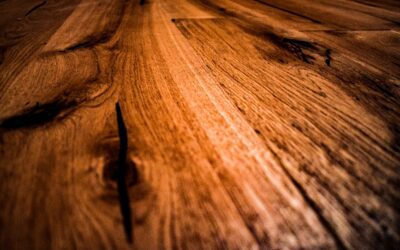
The most popular style by far recreates hardwood. Manufacturers photograph real oak, hickory, maple, walnut, and exotic species, then print the image onto the wear layer.
- Classic oak and maple: Warm, neutral tones that suit almost any decor.
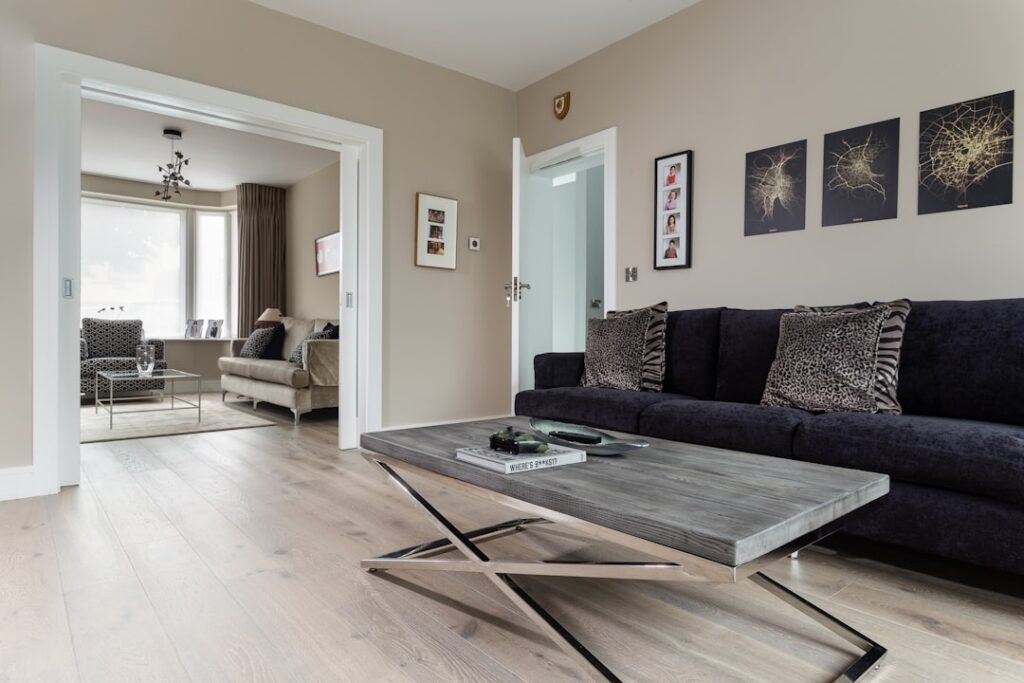
- Gray and weathered: Cool, modern finishes that mimic reclaimed or driftwood looks.
- Hand-scraped and distressed: Embossed texture that imitates aged, scraped wood.
- Wide-plank: Boards 7 inches or wider for a contemporary, open feel.
Expect wood-look laminate to run $1 to $4 per sq ft, well under the $6-plus of real hardwood.
Tile and Stone Looks
Less common but increasingly convincing, stone and tile laminates print marble, slate, travertine, and concrete patterns. Some are sold in square tile formats with grout-line embossing to complete the illusion. These styles give kitchens and entryways the look of stone without the cold, hard, and expensive reality of porcelain or natural stone. Because laminate is warmer underfoot and more forgiving on dropped dishes, it appeals to homeowners who want the stone aesthetic with everyday comfort.
Surface Textures That Sell the Illusion
Texture is what separates cheap laminate from convincing laminate. The same printed image looks dramatically different depending on the finish applied over it.
- Embossed-in-register (EIR): The texture aligns precisely with the printed grain, the gold standard for realism.
- Hand-scraped: Irregular scraping for a rustic, artisanal look.
- Smooth or high-gloss: A polished sheen, less common now because it shows scratches and footprints.
- Matte and natural: Low-sheen finishes that hide wear and read as more authentic.
Edge Profiles and Plank Shapes
The edges of each plank shape the final look. Beveled or micro-beveled edges create a small V-groove that defines each board and reads like individual planks, while square edges blend boards into a continuous sheet. Beveled edges also hide minor subfloor unevenness. Plank dimensions matter too: longer, wider boards make a room feel larger and reduce the busy, repetitive look that plagues short, narrow planks.
Reading the AC Rating
Style means nothing if the floor wears out, so check the Abrasion Class (AC) rating that measures durability.
- AC3: General residential use, fine for bedrooms and living rooms.
- AC4: Heavy residential and light commercial, good for kitchens and hallways.
- AC5: Commercial-grade, built for high-traffic public spaces.
For most homes, AC4 hits the sweet spot of durability and price. Pair the rating with thickness; 10mm to 12mm planks feel more solid and quiet underfoot than thin 7mm products.
Color Trends and Choosing a Shade
Color drives the first impression of any laminate style, and the popular palette has shifted over the past decade. Warm honey and golden oaks of the early 2000s have given way to cooler grays, greiges, and natural blondes that read as more contemporary. Wide, light-toned planks make small rooms feel larger and brighter, while deep walnut and espresso shades add drama but show every speck of dust and pet hair. A practical middle ground is a medium, low-variation oak in a matte finish, which hides dirt, suits both traditional and modern decor, and resists looking dated. Always view samples in your own lighting, since showroom fluorescents distort tone.
Water-Resistant and Waterproof Styles
One of the biggest recent developments is laminate engineered to resist moisture, expanding where these styles can go. Standard laminate swells if water sits on a seam, but newer water-resistant lines use tighter locking systems, treated cores, and sealed edges to survive spills for several hours before damage occurs. A handful of products are marketed as fully waterproof with a sealed core. These styles open up kitchens, mudrooms, and powder rooms to laminate looks that were once off-limits, though for genuinely wet areas like full bathrooms, tile or vinyl remains the safer bet. Check the specific water warranty before trusting any laminate near plumbing.
Pros and Cons of Laminate Styles
The breadth of styles is a strength, but laminate has limits worth knowing.
- Pros: Huge range of realistic looks, affordable pricing, scratch and fade resistance, easy click-together installation, and low maintenance.
- Cons: Most laminate is only water resistant, not waterproof, so standing water can swell the core; it cannot be refinished; and the hollow click-lock can sound louder than wood without quality underlayment.
Matching Style to Room
Choose by both look and function. A wide-plank, matte oak laminate at AC4 suits open-concept living and dining areas. A water-resistant, stone-look style works for entries and powder rooms, though true wet areas still favor tile or vinyl. In bedrooms, where traffic is light, you can prioritize the softest look and texture you love. Always order 8 to 10 percent extra for waste and future repairs, since dye lots change and matching later is difficult.
Final Recommendation
Underlayment and the Sound a Style Makes
Two laminate floors with the same printed style can feel completely different underfoot depending on the underlayment beneath them. A quality 2mm to 3mm foam or cork underlayment cushions each step, smooths minor subfloor imperfections, and, most noticeably, deadens the hollow click that gives cheap laminate away. Some premium planks come with an attached pad already bonded to the back, which simplifies installation. For concrete subfloors, choose an underlayment with an integrated moisture barrier. The acoustic difference is real: walk a laminate floor installed over thin builder-grade foam and then one over a good cork underlayment, and the second sounds and feels markedly more solid for only a small added cost.
With dozens of laminate flooring styles on the shelf, narrow your choice by deciding first on the look you want, then filtering for an AC4 rating, EIR texture, and a thickness of 10mm or more. That combination gives you a floor that looks convincingly like wood or stone, survives kids and pets, and costs a fraction of the material it imitates.
Prefer to explore on your own?
See how new flooring looks in your actual room in seconds — free, no signup.
Try the free Floor Studio →