Large floor rugs can transform a room faster and more affordably than almost any other change. They define seating areas, add warmth and texture, soften acoustics, and protect the flooring underneath. But buying big comes with big decisions: get the size or material wrong and the rug looks awkward or wears out fast. This guide walks you through choosing, placing, and caring for an oversized rug so it works beautifully in your space.
From measuring for the right dimensions to picking a fiber that suits your lifestyle, here is everything you need to know before you invest in a large rug.
Why a Large Rug Makes Such a Difference
A rug that is too small floats in the middle of a room like a postage stamp, making the whole space feel disjointed. A properly sized large rug, by contrast, grounds the furniture, visually connects the pieces, and makes the room feel intentional and complete. Designers consistently recommend going larger than people expect.
Beyond looks, big rugs deliver real comfort and function. They cushion footsteps, reduce echo in rooms with hard floors, add insulation underfoot in cold months, and shield hardwood or tile from scratches and wear. In open-concept homes, a large rug is one of the best tools for carving a defined zone out of a continuous floor plan.
Choosing the Right Size
Sizing is the most important and most commonly botched part of buying a large rug. Measure your room and your furniture grouping, then choose a rug that relates to both. Common large sizes include 8 by 10, 9 by 12, and 10 by 14 feet, with even larger options for great rooms.
- In a living room, aim to fit at least the front legs of every sofa and chair on the rug, ideally all legs for a unified look.
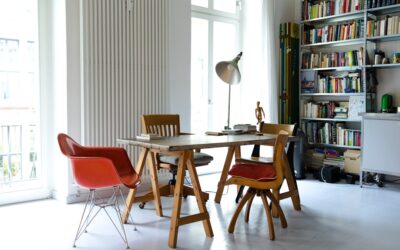
- Under a dining table, the rug should extend at least 24 inches beyond the table edge on all sides so chairs stay on the rug when pulled out.
- In a bedroom, a large rug under the bed should extend well past the sides and foot for a soft landing.
- Leave a consistent border of bare floor, often 8 to 18 inches, around the rug rather than running it wall to wall.
When in doubt, size up. A slightly larger rug almost always looks better than one that is a touch too small.
Choosing the Right Material
Fiber determines how a rug feels, how long it lasts, and how much upkeep it needs. Match the material to the room and your household.
- Wool is soft, durable, and naturally stain-resistant, making it a premium all-rounder for living rooms and bedrooms.
- Polypropylene and other synthetics resist stains and fading, clean easily, and cost less, ideal for busy families and high-traffic areas.
- Cotton is affordable and washable but less durable, best for low-traffic or casual spaces.
- Natural fibers like jute and sisal bring earthy texture and durability but feel rougher and can be harder to clean.
For homes with kids, pets, or heavy traffic, prioritize stain resistance and easy cleaning. For a formal, plush feel, wool is hard to beat. Consider pile height too: low pile is easier to vacuum and better under dining tables, while high pile feels luxurious in bedrooms and lounges.
Placement Tips by Room
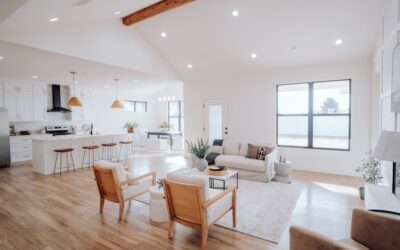
Each room has its own rules for getting placement right. In the living room, center the rug on the main seating arrangement and let it anchor the conversation area. In the dining room, ensure chairs remain on the rug even when pulled out, which is why the extra clearance around the table matters so much.
In bedrooms, you can run one large rug under the entire bed and nightstands or use a generous rug positioned to cover the area you step onto each morning. In an entryway or open-plan space, a large rug helps separate functional zones, signaling where the living area ends and the dining or work area begins. Always orient the rug to follow the longest line of the room or furniture for the most natural flow.
Budget and Quality Considerations
Large rugs span an enormous price range. A synthetic machine-made rug in a big size may cost a few hundred dollars, while a hand-knotted wool rug can run into the thousands. These are general estimates, and price depends heavily on material, construction, and brand.
Think about cost per year of use rather than upfront price alone. A durable wool or quality synthetic rug in a high-traffic room may outlast several cheap ones, making it the better value over time. Inspect construction quality when you can: tighter weaves, dense pile, and finished edges signal a rug that will hold its shape and resist shedding. A good rug pad, though an added cost, extends the rug’s life, adds cushioning, and keeps it from sliding.
Layering and Texture for Added Interest
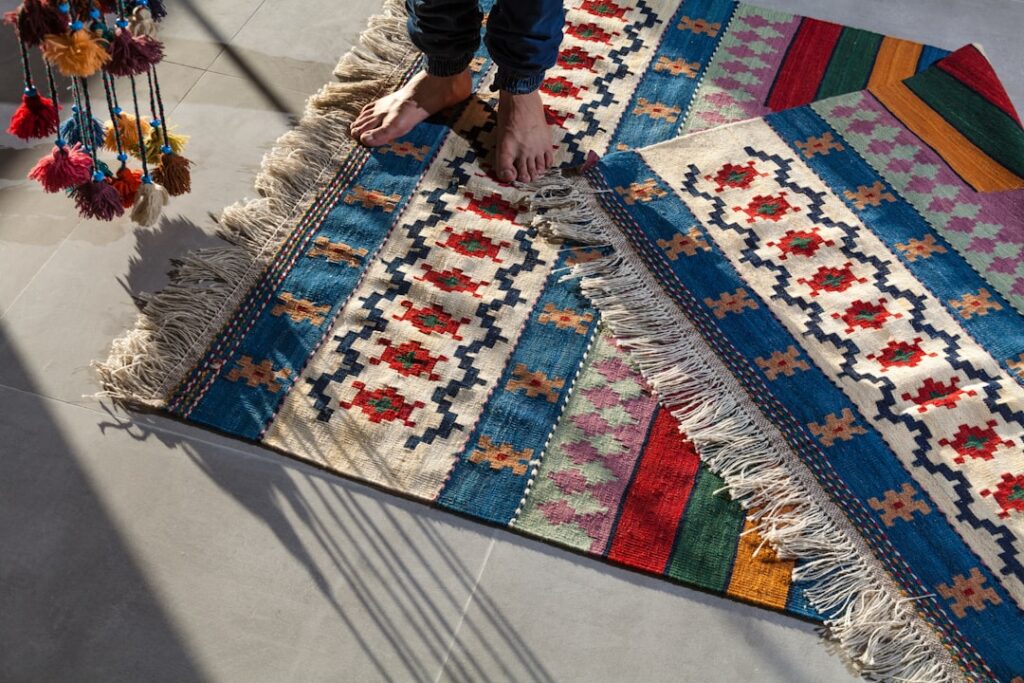
Large rugs do not have to stand alone. Layering a smaller patterned or textured rug over a big neutral base adds depth and lets you refresh a room’s look without replacing the foundation piece. A flat-weave jute rug topped with a softer wool or hide accent is a popular combination that blends durability with comfort and visual interest.
Texture also shapes how a room feels. A high-pile shag rug reads cozy and casual, while a tightly woven low-pile rug feels crisp and formal. Mixing textures across a room, such as a smooth rug against nubby upholstery, keeps the space from feeling flat. When layering, anchor the bottom rug firmly with a pad so the top piece does not slide, and keep the color palettes related so the look feels intentional rather than cluttered.
Caring for Large Floor Rugs
Proper care keeps a large rug looking great for years. Vacuum regularly to remove grit that grinds down fibers, and rotate the rug periodically so traffic and sunlight wear it evenly. Address spills immediately by blotting, never rubbing, to keep stains from setting.
For deeper cleaning, follow the manufacturer’s instructions, since wool, synthetic, and natural-fiber rugs each have different requirements. Many large rugs benefit from professional cleaning every year or two, especially wool. Use a quality rug pad underneath to reduce wear, prevent slipping, and protect the floor below. With routine attention, a well-chosen large rug stays a comfortable, attractive centerpiece of your home for a very long time.
Prefer to explore on your own?
See how new flooring looks in your actual room in seconds — free, no signup.
Try the free Floor Studio →