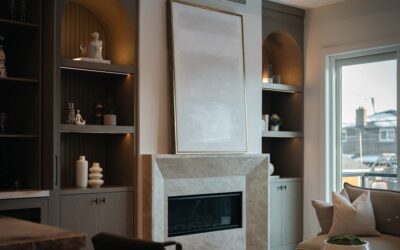
Cabinets eat up the largest single slice of most kitchen remodel budgets — often 30 to 40 percent — so getting them right matters more than any backsplash or fixture. The latest kitchen cabinet design trends have moved decisively toward warmth, function, and clean lines, leaving behind the cold all-white kitchens that dominated the last decade. Whether you’re doing a full remodel or just refacing, knowing where design is heading helps you build a kitchen that looks current now and still feels right in ten years. Here’s what’s defining today’s cabinets.
Door Styles Setting the Tone
The cabinet door does most of the visual work, and a few styles lead right now:
- Shaker: the enduring favorite — a clean recessed panel that reads traditional or modern depending on color and hardware. It’s the safe, timeless choice.
- Flat / slab: minimalist doors with no frame or panel, defining contemporary and European kitchens. Pairs beautifully with wood grain or handleless designs.
- Slim shaker: a narrower frame version of the classic, giving a lighter, more current feel.
- Beaded and inset: making a comeback in transitional and cottage kitchens for a crafted, high-end look.
Color Trends: Warmth Returns
Stark white kitchens are giving way to richer, warmer palettes. The standout directions:
- Natural and stained wood: white oak, walnut, and warm-toned woods are back in a big way, celebrated for their grain and warmth.
- Deep greens and blues: sage, forest, and navy on lower cabinets or islands add depth and personality.
- Earthy neutrals: greige, warm taupe, mushroom, and soft creams replacing bright white.
- Two-tone kitchens: a darker or wood island paired with lighter perimeter cabinets — one of the most popular current looks.
- Moody dark cabinets: charcoal and black for a dramatic, sophisticated statement.
The through-line is warmth and contrast. All-one-color kitchens still exist, but layering tones now reads as more considered and custom.
Smart Storage Is the Real Upgrade
The most meaningful shift in the latest kitchen cabinet design isn’t visual — it’s how the insides work. Cabinets are engineered as organizational systems now:
- Deep drawers instead of lower cabinets: full-extension drawers for pots and pans are far easier to access than reaching into a dark base cabinet.
- Pull-out pantries and spice racks: tall narrow pull-outs that make every inch reachable.
- Corner solutions: lazy Susans and magic-corner mechanisms that reclaim dead corner space.
- Built-in dividers and organizers: cutlery trays, tray dividers, and pull-out bins integrated from the start.
- Appliance garages: countertop cabinets that hide the toaster and mixer behind a roll-up door.
Buyers increasingly judge a kitchen by how well it functions, and these interior upgrades deliver more daily satisfaction than any finish.
Hardware and the Handleless Look
Hardware is jewelry for cabinets, and two opposite directions are both trending. On one end, oversized pulls and warm metals — brushed brass, matte black, and aged bronze — make a statement against simple doors. On the other end, the handleless look uses integrated finger grooves or push-to-open mechanisms for a seamless, ultra-modern face. Mixing metals is now accepted and even encouraged, as long as you limit it to two finishes and repeat each in more than one spot for cohesion.
Materials and Construction
Beyond looks, construction quality determines how long cabinets last. Current preferences:
- Plywood boxes over particleboard: more durable and moisture-resistant, worth the upcharge on base cabinets near sinks.
- Soft-close everything: now standard on quality lines, no more slamming doors and drawers.
- Full-height and ceiling-height uppers: extending cabinets to the ceiling for storage and a built-in, custom look — no more dusty gap up top.
- Matte and low-sheen finishes: replacing high-gloss for a softer, fingerprint-friendly surface.
Open Shelving, Used Sparingly
Open shelves had a big moment and have settled into a supporting role. A short run of open wood shelving as an accent — flanking a range hood or above a coffee station — adds warmth and display space without the dusting burden of an all-open kitchen. The trend now is balance: mostly closed storage for the practical majority of your kitchenware, with a curated open moment or two.
Refacing vs. Replacing
You don’t always need new boxes to get the latest look. If your existing cabinet boxes are solid, refacing — new doors, drawer fronts, and veneer on the frames — updates the style for roughly 40 to 60 percent of the cost of full replacement. Repainting existing cabinets is cheaper still and, done properly with the right primer and finish, transforms a dated kitchen for a fraction of the price. Full replacement makes sense when the layout needs to change or the boxes are failing.
Balancing Trend and Timelessness
The risk with chasing the latest kitchen cabinet design is dating your kitchen the moment the trend turns. The smart strategy separates permanent, expensive elements from cheap, changeable ones. Put your trend-forward choices where they’re easy to swap — hardware, paint on a small section, open-shelf styling, and light fixtures all update in an afternoon for little money. Keep the big-ticket, hard-to-change items — door style, cabinet layout, and countertop — on the timeless end of the spectrum. A shaker or slab door in a warm neutral or natural wood will look current for decades, and you can refresh the personality with new pulls or a bold island color whenever tastes shift. This layered approach lets you enjoy today’s look without gambling your entire remodel budget on a trend that may fade.
Putting It Together
The latest kitchen cabinet design rewards warmth, function, and restraint. Choose a door style you won’t tire of — shaker or slab lead for good reason — lean into warmer colors or a two-tone scheme, and invest most heavily in the interior storage you’ll use every day. Add quality hardware in one or two coordinated finishes, take the uppers to the ceiling, and you’ll have a kitchen that feels current, works beautifully, and holds its appeal long after this year’s trends have moved on.