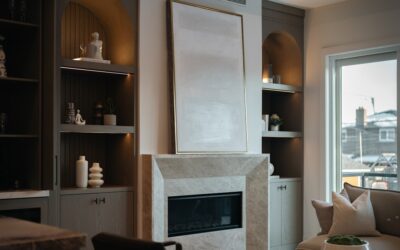
For decades, oil-based paint was the default choice for wood. Modern latex paint for wood has matched and in many cases exceeded oil performance, thanks to acrylic resin technology that bonds tightly, flexes with seasonal wood movement, and resists yellowing. Done properly, a high-quality latex finish on trim, doors, cabinets, or furniture lasts 10 to 15 years before needing a refresh.
Why Latex Beats Oil for Most Wood Projects
Latex paint dries in 1 to 4 hours and recoats in 4 to 6 hours, while oil-based paint takes 8 to 24 hours to recoat. Latex cleans up with soap and water; oil requires mineral spirits. Latex stays flexible and does not crack as wood expands and contracts; oil hardens over time and develops fine cracks within 5 to 8 years. Latex also has dramatically lower VOCs (volatile organic compounds), which means less smell and better indoor air quality during and after painting.
The two areas where oil still has a slight edge are leveling (oil dries slower so brush marks flow out better) and adhesion to certain stained or glossy surfaces. Both gaps have narrowed considerably with modern alkyd-modified latex products like Benjamin Moore Advance and Sherwin-Williams Emerald Urethane Trim Enamel.
Choosing the Right Latex Formula
Not all latex paint is the same. The four main formulations have different strengths.
- Standard 100% acrylic latex — Good general-purpose paint for trim, doors, and walls. $30 to $55 per gallon
- Hybrid alkyd-acrylic (waterborne alkyd) — Combines latex cleanup with oil-like leveling. Best for cabinets, furniture, and high-end trim. $55 to $85 per gallon
- Latex enamel — Higher resin content for hardness and washability. Good for cabinets and millwork. $45 to $75 per gallon
- Exterior latex — Mildewcides, UV blockers, and added flexibility. Specifically formulated for outdoor wood
For interior trim and doors, my preferred picks are Benjamin Moore Advance, Sherwin-Williams Emerald Urethane, and Behr Premium Plus Enamel. For exterior wood, Benjamin Moore Aura and Sherwin-Williams Emerald Exterior both deliver 10 to 15 year service life.
Surface Preparation Is Half the Battle
A perfect coat of paint over poor prep will fail in 2 years. A decent coat over excellent prep will last 15. Spend the time on prep.
- Clean the wood with TSP substitute or a degreaser. Kitchen cabinets in particular hold grease that prevents adhesion
- Sand bare wood with 120 grit, then 220 grit. Sand previously painted surfaces with 220 grit just to scuff the finish
- Vacuum and tack-cloth all dust
- Fill nail holes, dings, and seams with paintable wood filler. Sand smooth after dry
- Caulk any gaps between trim and walls with paintable acrylic caulk
- Mask off floors, hinges, and adjacent surfaces
Always Use the Right Primer
Bare wood needs a primer. Latex over bare wood without primer will raise the grain, look blotchy, and require an extra topcoat to cover. The primer also blocks tannins (especially in cedar, redwood, and pine knots) that can bleed through and yellow your finish.
Best primer choices by surface:
- Bare new wood: Zinsser Bulls Eye 1-2-3 or Sherwin-Williams ProBlock
- Knotty pine, cedar, redwood: Zinsser BIN shellac primer (alcohol-based, best tannin blocker)
- Previously oil-painted surfaces: Bonding primer like Stix or Zinsser Smart Prime
- Glossy or laminate surfaces: Bonding primer mandatory; latex topcoat will not stick directly
- Stained surfaces: Stain-blocking primer like Kilz Original or Zinsser Cover Stain
One coat of primer, two coats of finish is the standard. Lighter colors over dark surfaces sometimes need a tinted primer to reduce topcoat passes.
Application Techniques That Matter
Brush selection makes a visible difference. For latex paint, use a quality synthetic-bristle brush like a Purdy Clearcut or Wooster Pro. A 2.5-inch angle sash for trim and a 3-inch flat for larger surfaces handles most jobs. Cheap brushes shed bristles and leave streaks no amount of skill will hide.
Roll large flat panels with a 4-inch foam mini roller for a smooth finish, then back-brush lightly to even out any orange peel texture. For cabinets and furniture where you want zero brush marks, an HVLP sprayer or even a Wagner FLEXiO 3000 ($150) delivers a factory-quality finish.
Apply two thin coats rather than one thick coat. Thick coats sag, drip, and dry unevenly. Thin coats level out, dry uniformly, and build a more durable film. Sand lightly between coats with 320 grit to knock down any dust nibs and improve intercoat adhesion.
Cabinet Painting Specifics
Kitchen cabinets are the most demanding latex paint application. The finish takes daily abuse from hands, water splashes, cleaning chemicals, and oven heat. Use a hybrid alkyd-acrylic enamel like Benjamin Moore Advance for the best durability.
Remove all doors and drawer fronts. Label each one with painters tape (D1, D2, etc.) on the back. Paint horizontal on a drying rack or sawhorses with a clean drop cloth underneath. Each side needs to fully cure before flipping. Total project time runs 3 to 5 days for a typical kitchen, mostly waiting for cure.
Exterior Wood Painting
Exterior latex paint expands and contracts with the wood, which is why it survives where oil cracks. Apply only when temperatures are between 50 °F and 90 °F and no rain is in the forecast for 24 hours. Most modern exterior latexes can be applied down to 35 °F (formulated specifically for cold conditions), but the standard rule is 50 °F minimum for best results.
Two coats of quality exterior latex over a quality primer should give 10 to 15 years on siding, trim, and doors in most climates. South-facing surfaces fade and chalk faster and may need recoating in 7 to 10 years.
Common Mistakes to Avoid
Painting over wet or freshly cleaned wood traps moisture and causes peeling within months. Wait at least 24 hours after washing. Skipping primer to save time always costs more time later when you need extra topcoats. Using a flat or matte sheen on trim looks fine for a few months but cannot be wiped clean. Trim and doors should be satin, semi-gloss, or gloss for cleanability.
Finally, do not skip the cure time. Latex paint dries to the touch in hours but takes 21 to 30 days to reach full hardness. Avoid hard scrubbing, harsh cleaners, or heavy use during this period or you will leave permanent marks in an otherwise perfect finish.