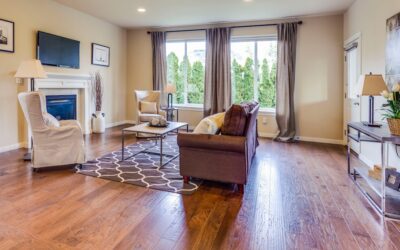
If you have shopped for waterproof flooring at a big-box store, you have almost certainly seen the name. LifeProof LVP is Home Depot’s well-known luxury vinyl plank line, designed to deliver a realistic wood look with full waterproof performance at a homeowner-friendly price. It has become a go-to for kitchens, basements, and busy households thanks to its rigid core, click-lock installation, and wide range of styles. This guide explains what LifeProof offers, its strengths and trade-offs, and how to install and care for it.
What LifeProof LVP Is
LifeProof is a brand of luxury vinyl plank flooring sold by The Home Depot. Like other rigid-core LVP, it is built in layers over a stone-plastic composite core, with a printed wood-look design layer and a protective wear layer on top. The line is marketed for its waterproof construction and durability, and it is positioned as an accessible, DIY-friendly option. Because it is a store brand, availability, samples, and support are centered at Home Depot, which many shoppers find convenient.
Key Features
LifeProof LVP is built around a few core selling points:
- Waterproof core: The rigid SPC construction is designed to resist water, suiting it for kitchens, baths, and basements.
- Realistic looks: A wide range of wood-look styles, colors, and plank textures.
- Click-lock installation: Floating planks that snap together without glue or nails.
- Attached underlayment: Many planks include a pad for comfort and quieter steps.
- Scratch and dent resistance: A protective wear layer for everyday durability.
Always check the specific product page for the exact specs of the style you are considering, since features vary across collections.
Understanding the Wear Layer
As with any vinyl, the wear layer determines how well the floor holds up. It is the clear protective top coat, measured in mils, that resists scratches and scuffs. A thicker wear layer means better durability and a longer useful life, which matters most in high-traffic areas and homes with pets or kids. When comparing LifeProof products or weighing them against other brands, the wear layer thickness is one of the most useful numbers to check alongside the warranty.
Pros of LifeProof LVP
Homeowners gravitate to this line for several reasons:
- Waterproof: Confidence to install it in moisture-prone rooms.
- DIY friendly: Click-lock planks make it approachable for handy homeowners.
- Affordable: Competitive pricing, generally in the typical LVP range of a few dollars per square foot.
- Convenient: Easy to buy, sample, and return through Home Depot.
- Comfortable and quiet: The rigid core with attached pad feels solid and dampens sound.
Cons and Considerations
No floor is perfect. As a synthetic product, LVP does not add the resale prestige of real hardwood, and very heavy furniture or sharp objects can still dent it. Because it is a store brand, you are somewhat tied to Home Depot for matching products down the road, so buying extra planks for future repairs is wise. Direct, intense sunlight may fade some floors over time, and as with all floating floors, the subfloor must be flat for the best result. Reading current reviews and the specific warranty terms before buying is smart.
Installation Basics
LifeProof LVP is designed as a floating click-lock floor, which makes it one of the more DIY-friendly options.
- Acclimate the planks in the room per the instructions before installing.
- Prepare a clean, flat, dry subfloor, leveling high and low spots.
- Leave an expansion gap around the perimeter as the maker specifies.
- Click planks together row by row, staggering the seams for strength and a natural look.
- Trim the final row to fit and install baseboards or quarter-round over the gap.
Always follow the specific installation guide for your product, since requirements for subfloor flatness and expansion gaps vary.
Where It Works Best
The waterproof construction makes LifeProof LVP a natural fit for the rooms that defeat other floors. Basements, which face humidity and the occasional leak, are a strong use case, as are kitchens, bathrooms, laundry rooms, and mudrooms. It also performs well in main living areas and hallways, where its durability handles heavy foot traffic and the realistic wood look reads well throughout an open floor plan. Pet owners appreciate the scratch resistance and easy cleanup. About the only place to think twice is a sunroom with intense, direct sun, where any vinyl can fade over time.
Comparing It to Other LVP Brands
LifeProof competes with many other rigid-core vinyl lines sold at flooring stores and other retailers. When comparing, focus on the objective specs rather than brand names: wear layer thickness, total plank thickness, the type of core, the warranty terms, and whether an underlayment is attached. A thicker wear layer and a solid warranty generally signal a more durable floor. The main practical difference with a store brand is the buying experience and future availability, so weigh convenience against the wider selection you might find shopping multiple suppliers.
Care and Maintenance
One of LVP’s biggest perks is easy upkeep. Sweep or vacuum regularly to remove grit that can scratch the surface, and damp mop with a pH-neutral cleaner made for vinyl. Wipe up spills promptly even though the floor is waterproof, and avoid abrasive scrubbers and harsh chemicals that can dull the finish. Use felt pads under furniture legs and mats at entryways to cut down on grit and scratches. With basic care, the floor stays looking new for years.
Understanding the Warranty
One reason shoppers gravitate to a national store brand is the backing behind it, and LifeProof LVP typically carries a residential warranty along with separate, shorter terms for light commercial use. As with any flooring warranty, the headline number matters less than the fine print, so read what is actually covered. Most vinyl warranties cover manufacturing defects, wear-through of the wear layer under normal residential use, and waterproof performance, but they exclude damage from improper installation, an out-of-spec subfloor, scratches from dragging furniture, and fading from prolonged direct sunlight. Keep your receipt and note the product name and lot, since claims usually require proof of purchase. The practical takeaway is that the warranty rewards correct installation and reasonable care; cut corners on subfloor prep or skip felt pads under chair legs, and you may void the very coverage you paid for.
Costs and Buying Tips
LifeProof LVP generally sits in the typical rigid-core vinyl range of a few dollars per square foot, with thicker planks and longer wear layers commanding the upper end and basic collections coming in lower; check the current product page for exact pricing, since it shifts with style and promotions. Buy roughly ten percent more than your room’s square footage to cover cuts, waste, and a stash of spare planks for future repairs, which is especially smart with a store brand where a specific style may be discontinued later. Order a sample or two before committing so you can see the color and texture under your own lighting, and confirm whether the planks already include attached underlayment, since that affects whether you need to buy a separate pad. If you are installing over concrete or in a basement, factor in a moisture test and any required vapor barrier, as those small upfront costs prevent expensive failures down the road.
Final Thoughts
LifeProof LVP is a practical, waterproof luxury vinyl line that fits well in kitchens, basements, and high-traffic homes, all at an accessible price through Home Depot. Its rigid core, click-lock install, and realistic styles make it a strong DIY choice, while the main trade-offs are those common to all vinyl. Check the wear layer and warranty, prep your subfloor well, and you get a durable, low-maintenance floor that handles real life.
Prefer to explore on your own?
See how new flooring looks in your actual room in seconds — free, no signup.
Try the free Floor Studio →