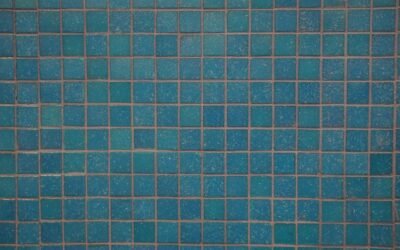
Choosing a grout color is one of the most underrated decisions in any tile job, and light almond grout has become a go-to warm neutral for homeowners who want the clean look of white without the constant maintenance headache. This soft off-white with a beige undertone bridges the gap between stark bright white and darker earth tones, and it flatters a huge range of tile.
Whether you are tiling a backsplash, a bathroom floor, or a shower surround, understanding how this color behaves and how to install it correctly will keep your grout lines looking fresh for years. Here is what a tile setter would tell you before you pick your bag.
What Color Is Light Almond, Exactly?
Light almond is a warm, creamy off-white. It reads as a pale beige with subtle yellow and tan undertones rather than the cool gray-white of a bright white grout. Major manufacturers all carry a version of it: you will find it as Light Almond or Almond in the Polyblend and Custom Building Products lineup, in Mapei’s color range, and in TEC’s grout offerings, though the exact shade varies slightly between brands.
Because color names are not standardized across companies, always look at a physical grout color chip in your actual lighting before committing. Better yet, mix a small test batch and let it fully cure for a day or two, since grout dries noticeably lighter than it looks when wet.
Why It Hides Dirt Better Than White
Bright white grout looks stunning on day one and disgraceful within a year, especially on floors. Every fleck of dirt, every coffee splash, and every trace of mildew shows against pure white. Light almond’s warm beige tone masks the same soil far more forgivingly because dust and everyday grime tend toward tan and gray, which blend into the color rather than contrasting against it.
You still get a light, airy look that keeps grout lines from visually chopping up the tile, but you buy yourself years of easier maintenance. For floors, entryways, and busy kitchen backsplashes, that tradeoff is almost always worth it.
Best Tile Pairings for Light Almond Grout
This color is a chameleon, but it shines brightest with warm-toned tile. Consider these combinations:
- Travertine and natural stone: Light almond echoes the creamy, tan veining of travertine and tumbled marble, producing a seamless, high-end look with soft grout lines.
- Beige and cream ceramic or porcelain: A near-match grout makes the field read as one continuous surface, ideal for large-format floor tile.
- White subway tile: Against classic white subway, light almond gives just enough definition to outline each tile without the harsh contrast of a dark grout, for a softer, more timeless result than gray.
- Warm wood-look porcelain planks: The beige undertone complements the browns and tans in wood-look tile.
It works less well with cool grays, crisp modern whites, and blue-toned tile, where the warmth can clash. In those cases a gray or bright white grout usually looks more intentional.
Sanded vs. Unsanded: Which to Use
The color is available in both sanded and unsanded formulas, and you choose based on your grout joint width, not the color.
- Unsanded grout is for narrow joints of 1/8 inch or less. It is smoother and works well on polished stone and glass tile that a sanded mix could scratch. It is common on vertical surfaces like backsplashes and shower walls.
- Sanded grout is for wider joints from 1/8 inch up to 1/2 inch. The sand adds bulk and prevents shrinkage cracking in wide lines. Use it on most floors and larger-format tile.
Match the light almond formula to your joint size and tile type. Using unsanded grout in a wide floor joint invites cracks; using sanded grout on delicate polished stone can scratch the surface.
Sealing Light Almond Grout
Unless you use an epoxy or a pre-sealed urethane grout, standard cement-based grout is porous and must be sealed. This step is doubly important for a light color, because unsealed grout drinks up stains and the pale almond tone shows discoloration faster than a dark grout would.
Wait for the grout to cure fully, typically 48 to 72 hours, then apply a quality penetrating sealer with a small brush or applicator bottle. Wipe off excess before it hazes. Reseal high-traffic floors and wet areas like showers roughly once a year, and kitchen backsplashes every couple of years. A bottle of penetrating grout sealer runs about $15 to $30 and covers a typical bathroom.
If you want to skip sealing entirely, consider a single-component or epoxy grout in an almond shade. These cost more but are naturally stain-resistant and never require sealing, which many homeowners find worth the premium in showers.
What Light Almond Grout Costs
Grout is a small line item on any tile budget. A standard 10-pound bag of sanded or unsanded cement grout runs roughly $15 to $25 at a home center, and a bag covers a surprising amount of tile, often 100 square feet or more of a floor with moderate joints. Premium single-component and epoxy grouts cost more, commonly $30 to $70 per unit, and cover less area.
Buy slightly more than you calculate, and ideally buy all your bags from the same manufacturing lot number, because dye lots can vary just enough to leave a visible seam if you run out mid-job and grab a fresh bag later.
Installation Tips for a Clean Result
Color consistency starts at mixing. Measure your water precisely and mix every batch the same way, because adding extra water lightens the cured color and produces blotchy, uneven grout lines that are impossible to fix without regrouting. Let the mixed grout slake for the manufacturer’s recommended time, usually about 10 minutes, then remix briefly before you spread it.
Work in manageable sections so you can clean the tile face before the grout hazes over. Wipe with a barely damp sponge in a diagonal motion across the joints, rinsing the sponge often in clean water, and avoid dragging grout out of the lines. Over-washing pulls color and cement out of the joint and leaves a weak, pale line, so use a light touch. Buff off the final haze with a dry cloth once the surface film dries.
Temperature and humidity affect curing, so avoid grouting in a space colder than about 50°F or in direct sun that flash-dries the surface. Slow, even curing gives you the most uniform almond tone and the strongest joints.
Cleaning and Keeping It Bright
Even a forgiving color needs upkeep. For routine cleaning, use a pH-neutral cleaner and warm water; avoid acidic cleaners like vinegar on cement grout because acid slowly etches and erodes it. For built-up grime, scrub with a soft brush and a baking-soda paste, or use a dedicated grout cleaner, then rinse well.
In showers, run the exhaust fan and squeegee walls to fight the mildew that shows readily on light grout. If lines have darkened permanently, a grout colorant or grout pen can refresh them back to a uniform almond tone without a full regrout. Kept sealed and cleaned gently, light almond grout holds its warm, welcoming look for the long haul.
Prefer to explore on your own?
See how new flooring looks in your actual room in seconds — free, no signup.
Try the free Floor Studio →