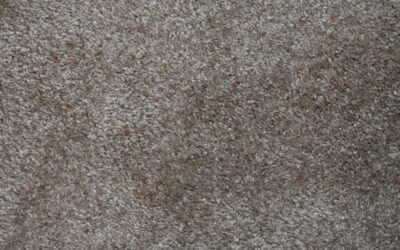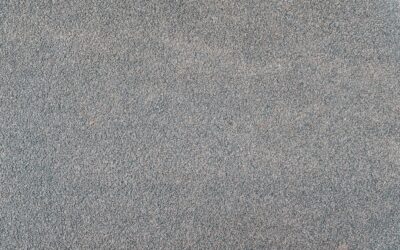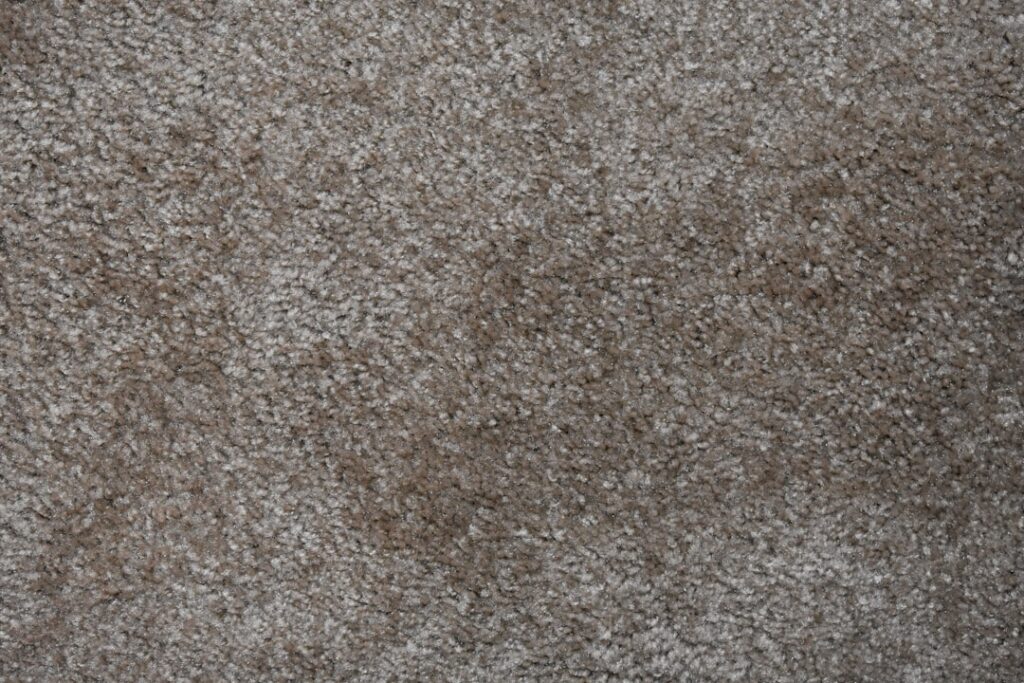
Walk into ten model homes and you’ll see the same floor in the bedrooms: soft, warm, and neutral. Light beige carpet has stayed popular for decades because it makes rooms feel larger and brighter, hides seams and shading better than solid dark colors, and matches nearly any wall color or furniture a homeowner brings in. It’s the safe, resale-friendly choice, and for good reason.
The obvious worry is staining, and it’s a fair one. But fiber technology has changed the game, and the difference between a beige carpet you regret and one you love comes down to picking the right fiber, pile, and cleaning habits. Let’s break it down.
Why Beige Stays So Popular
Beige is a warm neutral that sits between white’s starkness and gray’s coolness, and that warmth reads as cozy in bedrooms and living rooms. It reflects light, so a room with light beige carpet feels bigger and more open than the same room in charcoal. It also camouflages the vacuum tracks, footprints, and minor shading that show up glaringly on dark carpet.
From a resale angle, beige is about as broadly appealing as flooring gets. Buyers can picture their own furniture on it, which is exactly why builders and flippers default to it. If you might sell within a few years, a neutral beige is a low-risk pick.
Fiber Choices That Make or Break It
The fiber matters more than the color when it comes to living with beige. Here are the three you’ll actually be choosing among:
- Nylon — the most durable and resilient fiber, springs back from crushing, and takes stain treatments well. Great for busy households, though it costs more and needs a stain-resist finish since raw nylon can absorb dyes.
- Polyester (PET) — naturally stain-resistant to water-based spills and very soft, with rich color, but it crushes and mats faster in high-traffic areas. A strong budget pick for bedrooms.
- Triexta (often branded SmartStrand) — a newer fiber with built-in, permanent stain resistance and good resilience. Excellent for kids and pets, priced between polyester and premium nylon.
For a light color that will inevitably meet spills, triexta and solution-dyed nylon are the standouts because their stain resistance is engineered into the fiber rather than sprayed on top where it wears off.
Pile Styles and What They Do
Pile is how the yarn is looped or cut, and it changes both looks and performance. Textured cut pile, sometimes called a trackless or frieze style, has twisted fibers that hide footprints and vacuum marks, which is a smart pairing with a light color that would otherwise show every mark. Plush or Saxony pile is smooth and formal but shows tracks readily.
Loop styles like Berber resist crushing and wear well in traffic, though snags can be an issue with pets. For most homeowners choosing light beige carpet, a textured cut pile hits the sweet spot of softness, stain-hiding, and mark-hiding.
Facing the Stain-Resistance Concern Head-On
Yes, a light color shows dirt more than a dark one. That’s the honest trade-off. But the fix isn’t avoiding beige, it’s specifying protection. Look for solution-dyed fibers, where the color goes all the way through the strand so bleach-based cleaners won’t lift the color, plus a factory stain-and-soil treatment.
Pair that with a quality pad and prompt spill response and beige holds up better than people expect. The homeowners who regret light carpet almost always chose cheap polyester with no stain treatment and let spills sit. The ones who love it chose the fiber deliberately.
Cost Per Square Foot
Carpet pricing varies with fiber and quality, but here’s a realistic range for materials plus typical installation:
- Builder-grade polyester: roughly $1.50 to $3 per square foot installed.
- Mid-grade nylon or triexta: about $3 to $5 per square foot installed.
- Premium nylon and dense triexta: $5 to $8 or more per square foot installed.
Don’t skimp on the pad. A good 6- to 8-pound rebond pad, usually $0.50 to $1 per square foot, extends carpet life, adds comfort, and improves how the carpet feels underfoot. Cheaping out on pad is a false economy that shows up as premature matting.
Where Light Beige Works Best
Bedrooms are the ideal home for light beige carpet. Traffic is moderate, the soft warmth feels good, and spills are less frequent than in a kitchen or entry. Living rooms and home offices work well too, especially with a stain-resistant fiber.
Be more cautious in basements prone to moisture, in homes with large dogs, or in rooms that open directly to the outdoors, where grit gets tracked in constantly. In those spots, either step up to solution-dyed nylon or consider a slightly darker greige tone that hides soil a bit better while keeping the neutral look.
Beige, Greige, or Tan: Reading the Undertone
“Beige” covers a lot of ground, and the undertone matters as much as the lightness. True beige leans warm with yellow or gold in it, greige splits the difference with a touch of gray for a more current, cooler feel, and tan runs a shade darker and hides soil a little better. Bring home large samples and look at them in your own light, morning and evening, because a beige that looks perfect in the store can read pink or yellow against your wall color.
If your walls or trim are cool white or gray, a warm gold-beige can clash and look dated. In that case a greige carpet usually harmonizes better. Set the sample against your paint, cabinets, and furniture before committing, since the carpet is the largest single surface in the room and drives how everything else reads.
How to Keep It Clean
Keeping beige looking fresh comes down to routine and speed. Vacuum at least twice a week in traffic areas to pull grit out before it grinds into the fibers and dulls them. Place walk-off mats at entrances and adopt a shoes-off habit to cut the dirt load dramatically.
For spills, blot immediately with a clean white cloth, working inward, and never scrub, which frays the fibers and spreads the stain. Use a mild carpet cleaner made for your fiber, and rinse the spot with water so no soap residue is left to attract dirt. Schedule a professional hot-water extraction every 12 to 18 months, both to keep it looking good and to satisfy many manufacturers’ warranty requirements.
Keep a small kit ready so you’re never scrambling: white cloths, a mild fiber-safe cleaner, and a spare bottle of water for rinsing. For pet accidents, an enzyme-based cleaner breaks down the odor-causing residue that ordinary detergents leave behind. Tackling messes within the first few minutes is the real secret to beige that still looks fresh years later.
The Bottom Line
A well-chosen light beige carpet gives you a bright, warm, universally flattering floor that appeals to future buyers and adapts to whatever you decorate around it. The color isn’t the risk; the fiber is the decision. Pick a solution-dyed nylon or triexta with a real stain treatment, add a quality pad, and commit to quick spill response and regular vacuuming. Do that, and beige delivers years of soft, clean, timeless comfort without the regret so many people fear.