Nothing opens up a room quite like a pale, soft floor underfoot, which is why so many homeowners keep coming back to it. A light carpet in beige, cream, greige, or light gray makes a space feel larger, brighter, and more expensive, and it pairs with almost any wall color you throw at it. The catch, of course, is that lighter colors show dirt more readily than darker ones. This guide walks through the real pros and cons, the fibers that hold up best, the smartest rooms to use it in, and what it costs so you can decide with your eyes open.
Why Homeowners Love Going Light
Pale flooring reflects light rather than absorbing it, so a room instantly feels more open and airy. That effect is a gift in small bedrooms, basements, and north-facing rooms that never get much sun. Neutral tones like greige, a blend of gray and beige, also act as a blank canvas; you can change your paint, furniture, and decor over the years without fighting the floor.
Resale is another quiet advantage. Buyers respond to bright, clean, neutral spaces, and a light neutral floor photographs beautifully in listings. It reads as move-in ready in a way a bold color never does.
The Honest Downsides
The obvious concern is soil and stains. A dropped glass of red wine or a muddy paw print shows up far more dramatically on cream than on charcoal. Traffic lanes, the paths worn between doorways and furniture, also gray out faster on light colors if you are not diligent about vacuuming.
That said, the fear is often overstated. Modern stain-resistant fibers have changed the game, and a well-chosen light carpet with the right construction can be surprisingly practical. The key is picking your fiber and your rooms wisely rather than just chasing the prettiest sample.
Fiber Choices That Make the Difference
Fiber is where you win or lose the battle against stains. Here is how the main options stack up for pale colors.
Nylon
Nylon is the most durable and resilient common carpet fiber, and it bounces back from crushing in high-traffic areas. On its own it is not naturally stain resistant, so look for nylon treated with a stain-protection finish. Solution-dyed nylon, where color is locked into the fiber during manufacturing, resists bleaching and fading and is a smart pick for light shades.
Triexta (SmartStrand)
Triexta, sold widely under the SmartStrand brand, has become a favorite for light colors because stain resistance is built into the fiber rather than sprayed on top. That means it will not wash off over years of cleaning. It handles kids, pets, and spills exceptionally well, which makes it my go-to recommendation for a cream or beige family room.
Solution-Dyed Polyester
Solution-dyed fibers, whether polyester or nylon, resist fading and can be cleaned aggressively, even with diluted bleach on some products, without losing color. That cleanability is a real asset when the carpet is light and every spot shows.
Best Rooms for Light Carpet
Placement matters as much as product. Light carpet thrives in low- to moderate-traffic spaces where spills and grime are less constant. Bedrooms are the ideal home for it; they see soft foot traffic and few food or drink accidents. Formal living rooms, home offices, and finished attics are also good candidates.
Think twice before putting pale carpet in a mudroom, a busy entry, a kids’ playroom that doubles as a snack zone, or a walk-out basement where outside dirt tracks in. In those spots, either go a shade darker, choose a flecked multi-tone that hides soil, or use a hard surface with washable rugs instead.
Keeping It Clean and Bright
Maintenance is completely manageable with a simple routine, and staying ahead of dirt is far easier than rescuing a neglected floor.
- Vacuum high-traffic areas two or three times a week and the whole room weekly to lift grit before it grinds in.
- Enforce a no-shoes rule and place walk-off mats at every entry to catch the worst of the dirt.
- Blot spills immediately with a clean white cloth; never rub, which pushes the stain into the backing.
- Keep a fiber-safe spot cleaner on hand and treat accidents within minutes, not hours.
- Schedule a professional hot-water extraction cleaning every 12 to 18 months to refresh the pile and lift embedded soil.
A quality carpet pad underneath also helps; it lets the carpet flex and prevents the backing from grinding against the subfloor, which extends the life of the whole floor.
What Light Carpet Costs
Pricing depends far more on fiber and construction than on color, so a light shade does not cost extra by itself. Expect material to run roughly $2 to $6 per square foot for most residential carpet. Basic builder-grade polyester sits near the bottom, quality nylon and triexta land in the middle to upper part of that range, and premium wool or thick plush pushes higher.
Add about $1 to $2 per square foot for a good pad, plus $1 to $2 per square foot for professional installation, which usually includes removing and hauling away the old carpet. For a 200-square-foot bedroom, a solid triexta carpet installed with a fresh pad typically totals somewhere around $800 to $1,600 depending on the product and your region.
Choosing the Right Shade of Light
Not all light neutrals behave the same, and the exact tone changes both the look and the practicality. Pure cream and white are the brightest and airiest but show the most soil, so they suit formal, low-traffic rooms best. Beige and tan carry a warm undertone that hides dust and light dirt a bit better and pairs naturally with wood furniture. Greige, the gray-beige blend, is the current favorite because it flexes between warm and cool decor and forgives soil surprisingly well. Light gray reads cool and contemporary but can look dingy fast if it drifts too pale, so a gray with a subtle fleck or a slightly deeper tone wears cleaner.
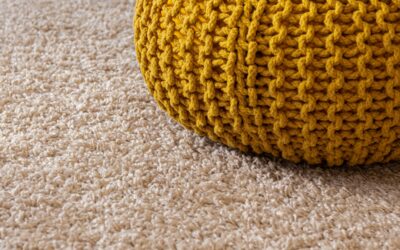
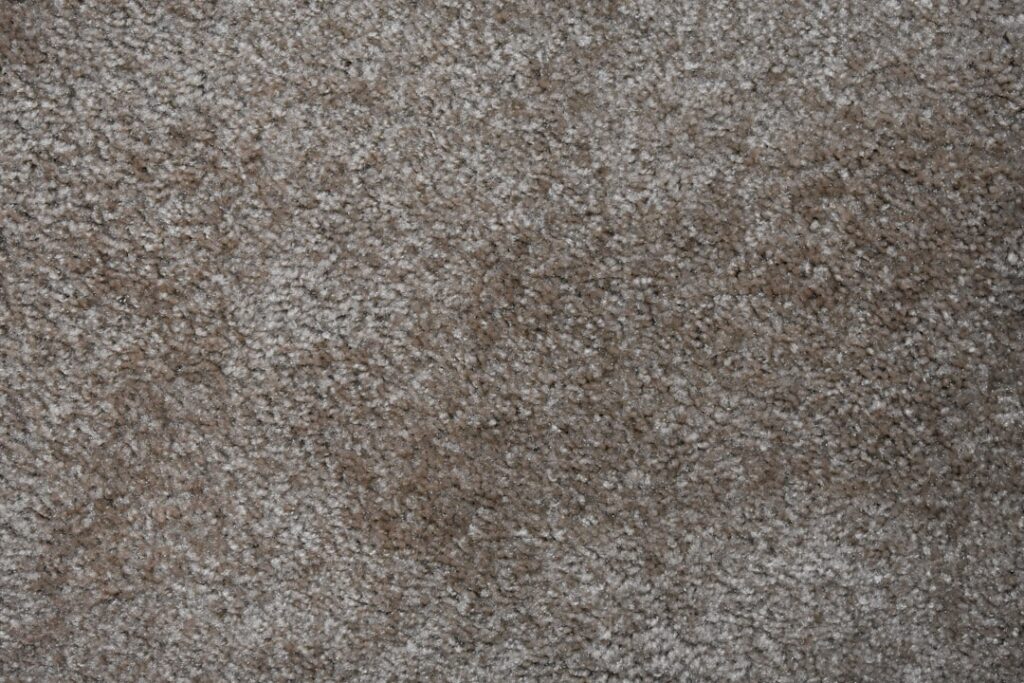
A multi-tone or heathered carpet, where several close shades are twisted into the yarn, is your secret weapon for hiding traffic and crumbs while still keeping the room light. Those tiny flecks break up the surface so a single dropped speck does not stand out the way it would on a solid color.
Beyond color and fiber, the way the carpet is constructed affects how a light shade holds up. A dense, short cut pile resists crushing and hides footprints better than a long, loose shag. Textured or frieze piles, with their twisted fibers, disguise soil and vacuum tracks, which is exactly what you want in a pale carpet. A plush or velvet cut pile looks luxurious but shows every footprint and vacuum line, so reserve it for bedrooms. Looped Berber styles wear like iron and hide dirt, though snags can be an issue with pets. When you shop, rub the sample hard with your hand and see how quickly it recovers; good density bounces right back.
Making the Right Choice
The verdict comes down to matching the product to the room and being honest about your household. If you have young kids, muddy dogs, and an open-concept great room, lean toward a stain-built-in triexta in a greige tone that hides the occasional miss. For a quiet primary bedroom, almost any quality light carpet will serve you beautifully for years. Choose a proven fiber, add a good pad, commit to a simple cleaning routine, and a light carpet will reward you with a bright, welcoming space that never goes out of style.